The gallbladder is a small, pear-shaped organ that sits under and is connected to the right lobe of the liver. It stores bile, a substance made in the liver that’s important for the digestion of fats, among other functions. When you eat, bile is pumped out of the gallbladder into the common bile duct, which connects to the upper part of the small intestine (the duodenum), where much of the digestive process occurs. Consisting mostly of water, bile also contains bile acids, as well as cholesterol and several other substances.
But sometimes, things go wrong. Gallstones develop when the bile in the gallbladder becomes hard, clumping into stones that can range in size from a grain of sand to a golf ball. One or more stones may form. The most common type of gallstone in the West is composed of hardened cholesterol (called cholesterol gallstones), as opposed to in Asia, where they tend to consist of bilirubin (pigment gallstones). Bilirubin is a substance made from the breakdown of red blood cells.
Gallstones may not produce any symptoms, or they may be painful and cause nausea and vomiting. They can be life-threatening if they block the bile duct and cause an infection. They can also be dangerous if small stones go down the common bile duct and block the pancreatic duct, as this causes pancreatitis.
Many factors may increase the risk of gallstones, including increasing age; pregnancy; being overweight or obese; being sedentary; losing weight rapidly; having a family history of gallstones; having liver disease, diabetes, or certain blood disorders; or taking certain medications. Women and people of Native American, Hispanic, or Mexican origin are at increased risk.
What you eat likely plays a role, too. Diets that are high in calories; rich in fat (especially animal fat as from beef and pork), fried foods, and sweets; or low in fiber have been linked to increased risk.
From fish to fiber
So, if a poor diet can contribute to gallstones, can a healthy diet protect against them? A 2020 analysis in the American Journal of Clinical Nutrition that used data from the very large (and ongoing) Nurses’ Health Study and the Health Professionals Follow-up Study found that eating a diet consistent with the USDA’s Dietary Guidelines for Americans was associated with a significantly reduced risk of gallstones. Also important was having an overall healthy lifestyle that included being physically active, not smoking, and not being overweight, the study observed.
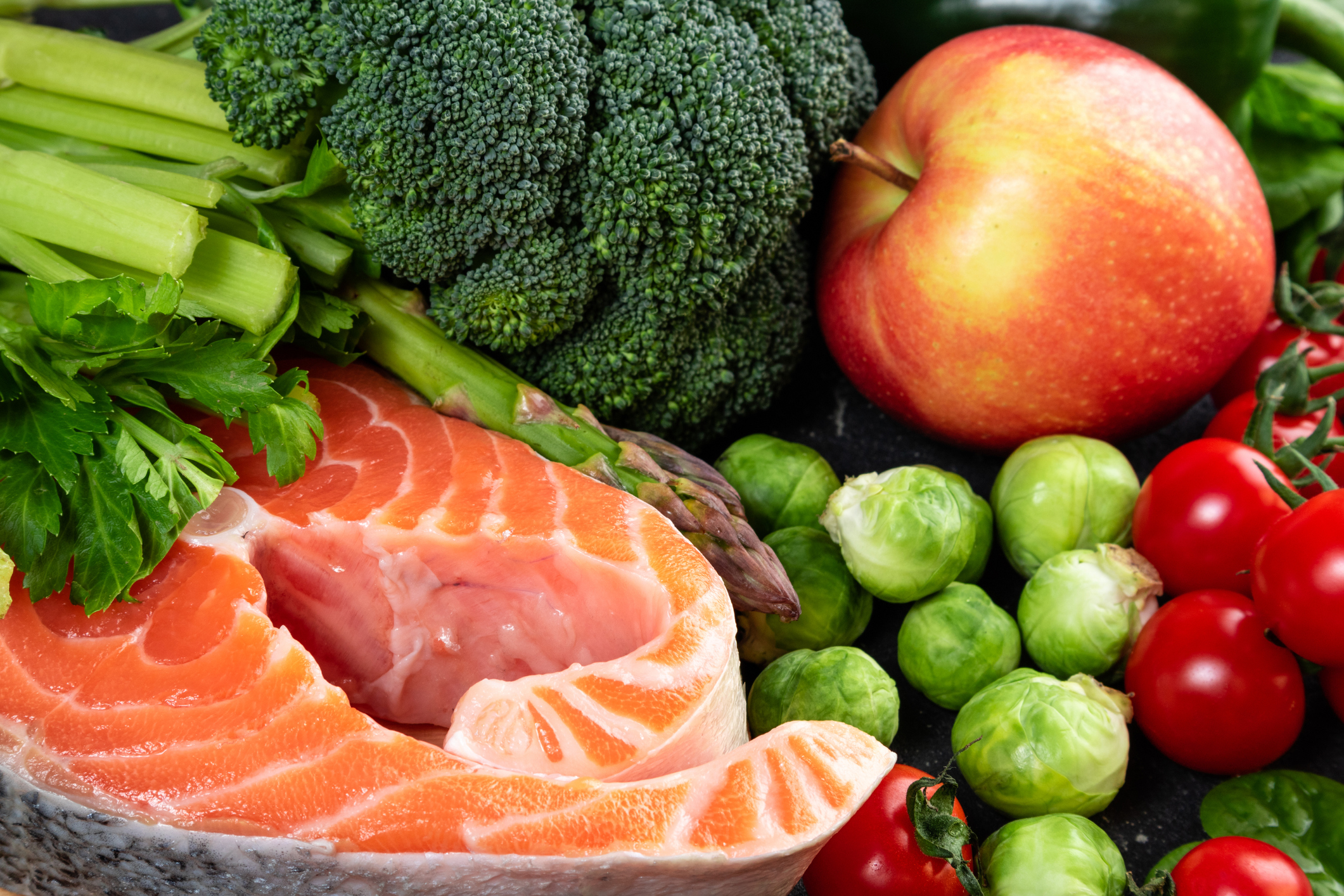
Overall, studies have linked several dietary factors to decreased risk, including fiber, vegetables and fruits, fish, monounsaturated fats, and specifically olive oil. For example, according to a 2019 study in the journal Medicine—which compared nearly 34,000 people with gallstones to more than 1.5 million gallstone-free people—for every 7-ounce increase in vegetables or fruits a day, the risk of gallstones was reduced by 4 and 3 percent, respectively. Another study, in the journal Nutrients in 2019, linked a vegetarian diet to a reduced risk of gallstones in women (though not in men).
How diet could impact the risk for gallstones is not entirely clear, but here are some thoughts, based on recent studies:
- There may be a relationship between gallstones and how fats are metabolized in the body or a dysfunction in how sugars are used. For example, people who are obese or have insulin resistance, where the body’s cells can’t efficiently use insulin, are at increased risk for gallstones.
- It’s thought that a diet low in fiber may increase gallstone risk by reducing the natural movement of the gut and increasing the production of certain kinds of bile acids that promote the formation of gallstones. On the flip side, fiber reduces intestinal transit time (which can alter the composition of bile) and plays a role in decreasing the liver’s production of cholesterol, factors that may explain a reduced risk of gallstones. Part of the protective effect seen with vegetables and fruits may be that they are rich in fiber.
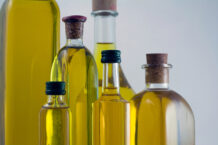
- Regularly consuming monounsaturated fats (as opposed to saturated fats), as in olive oil and fish, may be protective via mechanisms that include altering the composition of bile or increasing the contraction of the gallbladder to release bile.
- A vegetarian diet might help protect against gallstones by reducing cholesterol levels, since bile with a high cholesterol content is more likely to result in gallstones compared to bile with a normal or low cholesterol content. A vegetarian diet may also lower gallstone risk by reducing the risk of obesity, insulin resistance, and diabetes.
- It’s not just the composition of your diet that may affect your gallstone risk but also how often you eat. Eating more frequently may reduce the risk because that enables the gallbladder to regularly empty its load of bile, so the bile doesn’t sit around and get concentrated. A corollary is that fasting will increase the risk of gallstone formation.
BOTTOM LINE: The role of diet in gallstone formation is still being investigated, but the evidence to date offers yet more reason to eat healthfully and maintain a healthy weight. We recommend a predominantly plant-based, high-fiber diet with lots of vegetables and fruits, legumes, whole grains, some fish if desired, and healthy fats (such as from olive oil)—keeping meat and sweets on the side. Try not to skip meals. And if you’re trying to shed some pounds, avoid crash diets that result in rapid weight loss—slow weight loss is the way to go, not only to reduce gallstone risk but to better maintain the weight loss over the long term.
Other ways to reduce gallstone formation are to exercise, avoid smoking, and moderate your alcohol intake—recommendations that will also help improve cardiovascular health, reduce the risk of certain cancers, and help control diabetes, among other benefits.