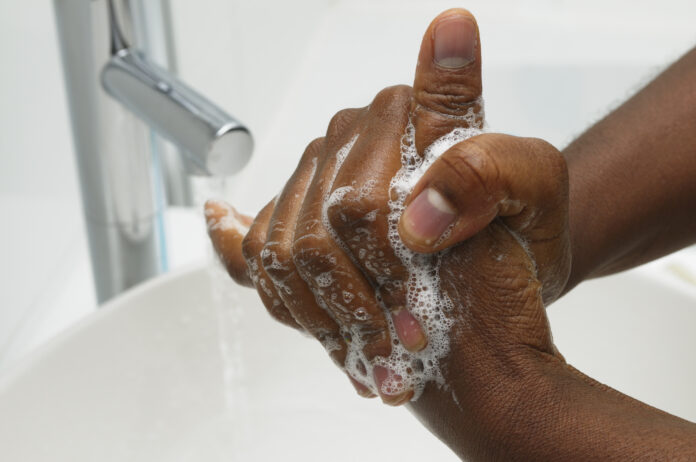
We know handwashing is one of the most important actions we can take to prevent many infectious diseases, but I personally observed the critical importance of cleanliness when I spent time with my son in the intensive care unit at my local hospital. In the 10 days I kept vigil until his recovery, staff efforts at keeping the room sterile were impressive. A new pair of gloves was put on every time they entered the room. They wore masks. Blood pressure and other monitors were wiped down frequently. For the short time he was considered contagious, we all put on paper aprons when entering and discarded them when leaving.
Dr. Ignaz Semmelweis would have been so pleased! In 1847, Semmelweis tried to convince doctors in his Viennese maternity ward to simply wash their hands. He believed it was possible that doctors were carrying infection into the ward where new mothers were dying. Fatal puerperal fever (childbed fever) was a common problem after giving birth. Jane Seymour (the third wife of King Henry VIII) died of this fever in 1537, two weeks after giving birth to Henry’s only surviving son, Edward VI of England. In 1797, Mary Wollstonecraft died of fever 10 days after delivering Mary Shelley, the author of Frankenstein.
Semmelweis’s idea of handwashing was considered bizarre for decades. Doctors then believed that infections were due to miasmas or “bad air,” or to the imbalance of cold, hot, moist, and dry humors within a patient’s body that could be relieved by bloodletting. Doctors who performed autopsies were revered because they were actively investigating the causes of sickness. Their colleagues believed that the dirtier the doctor, the better the doctor; doctors were proud to display their coats stiff with blood from the last autopsy or surgery they performed as they headed for the maternity ward. The idea that the doctor could be an agent of disease transmission was considered preposterous and wholly rejected.
Others besides Semmelweis advocated handwashing. British nurse Florence Nightingale at a military hospital in Turkey in 1854 was shocked to discover that 10 times as many soldiers fighting in the Crimean War were dying from infections than in battle. Nightingale brought in soap, towels, and fresh sheets, and she insisted on handwashing. “Every nurse ought to be careful to wash her hands very frequently during the day,” she later wrote in her book Notes on Nursing.
In the United States in 1855, Oliver Wendell Holmes also thought that physicians with unwashed hands were responsible for transmitting puerperal fever from patient to patient. He was promptly attacked by the leading Philadelphia obstetrician, Charles D. Meigs, who declared that “Doctors are gentlemen, and gentlemen’s hands are clean…any practitioner who met with cases of puerperal fever was simply unlucky…I prefer to attribute them to accident, or Providence.”
Handwashing: Not a new idea
As early as 2800 BC, ancient Babylonians used soap; Egyptians (1500 BC) bathed with soap-like substances made from plants combined with animal and vegetable oils. In ancient Greece, hands were cleaned using mud and ashes. In developing countries today where soap is not available, mud and ashes are still used. Among Native Americans, yucca root was used for soap as it forms a lather.
Some religions require hand or foot washing as part of their rituals. Judaism, Islam, and Sikhism, for example, have precise rules for handwashing included in the holy texts, and this practice punctuates several crucial moments of the day.
The discovery of germs
Semmelweis was ahead of his time. Long before biblical days it was known that many diseases were contagious, but how a disease spread was not known. In the 1860s, less than 200 years ago, Louis Pasteur and Robert Koch showed that microbes could cause diseases such as tuberculosis and smallpox; germ theory at last explained how diseases were transmitted. Pasteur himself developed rabies and anthrax vaccines that prevented disease. He also connected his germ theory with Semmelweis’s data and worked to make handwashing more popular. In 1867, Joseph Lister published his findings that handwashing with antiseptic carbolic acid prevented infections after surgeries.
As the new germ theory took hold, handwashing became a cause célèbre. Washbasins and ewers became common in bedrooms; houses built in the 1890s had sinks with plumbing in bedrooms. In 1894, Lifebuoy, a carbolic soap, was introduced by Lever Brothers in Victorian England to combat cholera; it advertised its soap with a picture of a sailor rescued by a life buoy and the slogans “For Saving Life” and “Ending Infections.” Nurses stationed in public schools taught children to wash their hands before meals. Fear of germ contamination generated a law to prohibit food handlers from touching money, which was known to be dirty.
Unfortunately, Semmelweis was dead for 20 years before his findings on handwashing gained acceptance.
The development of public health
Increased handwashing contributed to the many public health successes of the 20th century, especially in the control of infectious diseases, improvements in maternal and child health, and food safety. Public health regulations today ensure, for example, that health facilities, supermarkets, and restaurants are inspected regularly for cleanliness.
Such public health successes have increased our life expectancy from about age 40 in 1850 to age 78 in 2020. Infant mortality rates have declined from 181.3 deaths per 1,000 live births in 1900 to 5.4 in 2021.
Dr. Myriam Sidibe of Mali founded Global Handwashing Day (October 15). She partnered with UNICEF, the World Bank, Oxfam, and USAID to educate people about the importance of handwashing. Handwashing keeps children in school and reduces infections of mothers and babies during delivery and postnatal care. Handwashing by parents and midwives prevents infant mortality. (Her TED talk can be viewed here.)
Stepping up to the sink
So, when and how often should you wash your hands? The CDC says:
- Before, during, and after preparing food
- Before eating food
- After using the toilet
- After changing diapers or cleaning up a child who has used the toilet
- After blowing your nose, coughing, or sneezing
- Before and after caring for someone who is sick
- Before and after treating a cut or wound
- After touching an animal, animal feed, or animal waste
- After handling pet food or pet treats
- After touching garbage
During the pandemic, the CDC advises that you also wash your hands (or use hand sanitizer if soap and water are not available):
- Before touching your eyes, nose, or mouth
- After touching your mask
- After leaving a public place
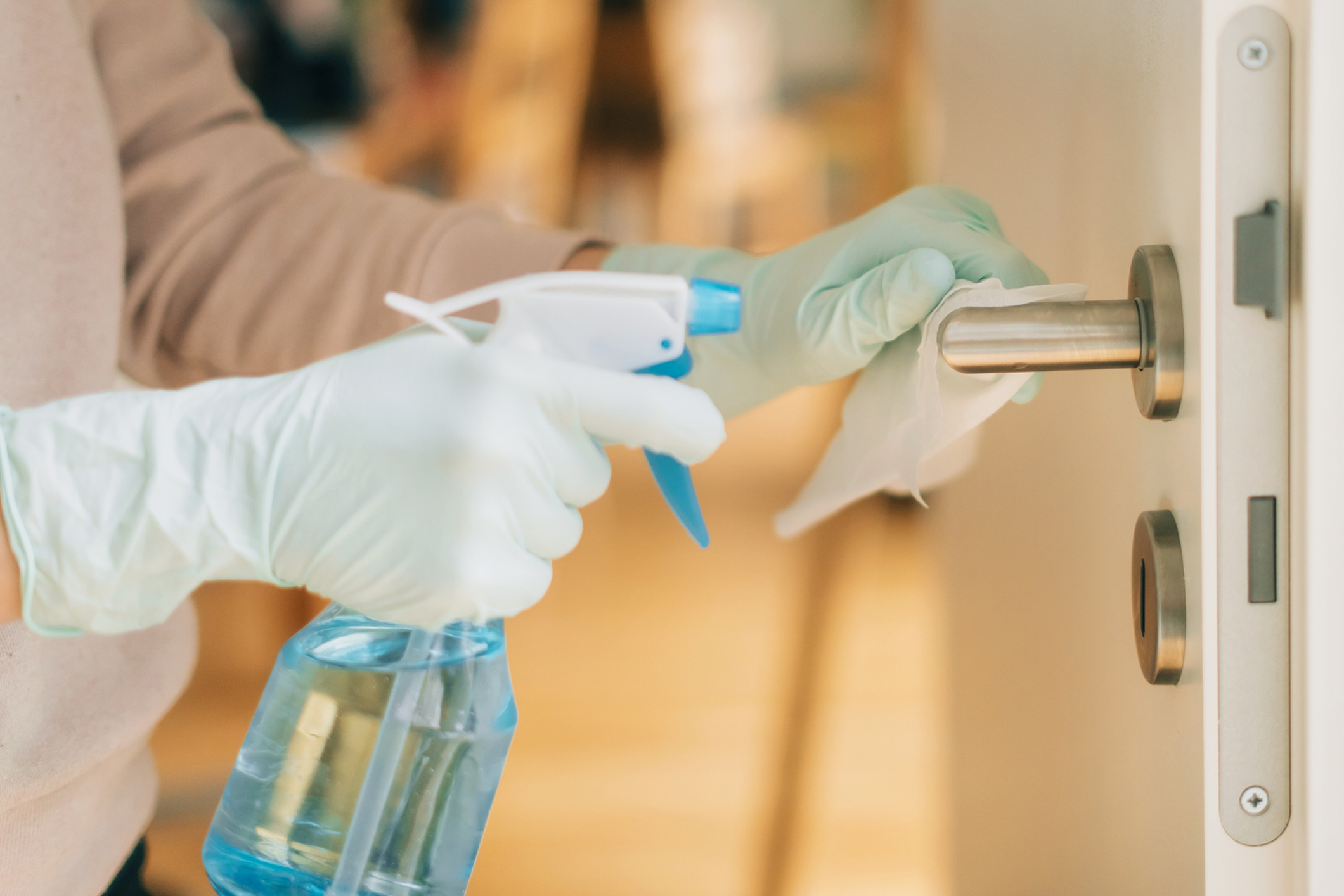
- After touching objects or surfaces that may be frequently touched by other people, such as door handles, shopping carts, gas pumps, or electronic cash registers or screens
By often washing our hands properly with soap, we can prevent the spread of diseases and infections and live longer and healthier lives. Soap up, everyone!