If you’re a coffee drinker, you may remember acrylamide as the substance that almost ruined your favorite beverage for you back in 2018. That was the year a judge in Los Angeles ruled that coffee sold in California must carry a Proposition 65 warning label stating that it contained a chemical “known to cause cancer, birth defects, or other reproductive harm.” Java lovers were alarmed, coffee manufacturers and sellers went on the defensive, a legal battle ensued, and the warning labels were rescinded the following year. You could be forgiven for thinking those labels vanished because the chemical culprit had been removed. But the fact is, acrylamide is still at large in coffee as well as myriad other plant-based foods.
So, was the publicity surrounding your cup of Joe just a tempest in a coffee cup, or does acrylamide present a real health risk to those who consume foods and beverages that contain this controversial chemical?
The ABCs of acrylamide
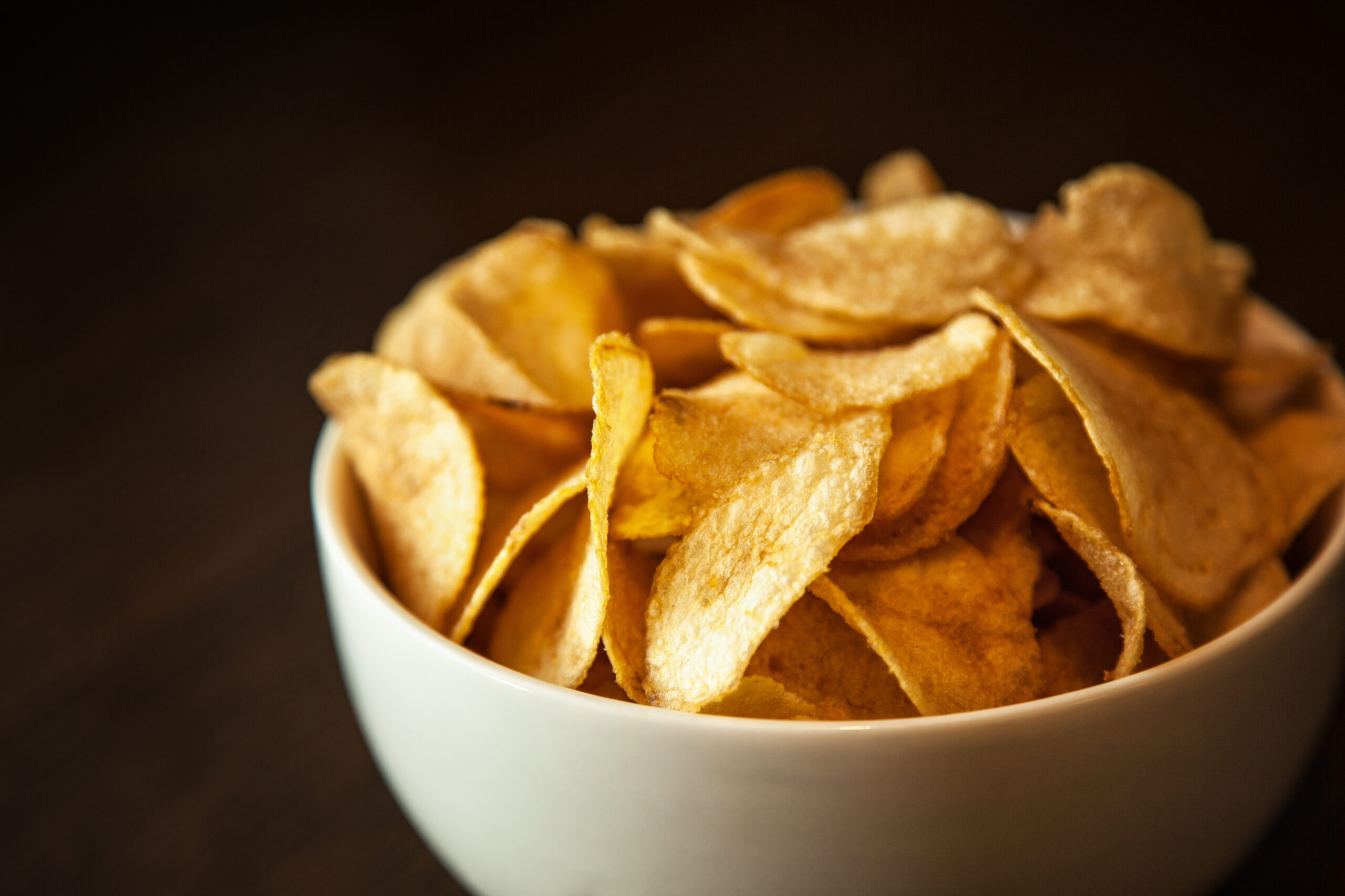
For most of us, exposure to acrylamide—which was first identified in food in 2002 by Swedish scientists—comes from dietary sources. This is especially true for people who eat lots of potato-based snacks like chips and fries. But otherwise-healthy fare such as whole-grain bread, crackers, and cereals—and, yes, coffee—can also be significant sources. In addition, acrylamide is a component of tobacco smoke and, to a lesser degree, heated tobacco products (but we assume our readers already know what a health hazard those are). It’s also even found in small amounts in our drinking water.
Acrylamide is typically formed through a chemical reaction between sugar and the amino acid asparagine in plant-based foods that have been subjected to low-moisture, high-heat (above 248ºF) cooking methods, such as grilling, frying, baking, toasting, and roasting. Chefs, chemists, and high school science teachers recognize this as the Maillard reaction. The rest of us just enjoy the end products: crispy potato chips and fries; crunchy cereals, crackers, and bread crusts; and the rich flavor of freshly brewed coffee, among others.
Clear and present danger … or not so much?
How unfortunate that the same reaction that gives us some of our favorite foods also creates acrylamide, a chemical classified as a “probable carcinogen” by the International Agency for Research in Cancer (IARC), “reasonably anticipated to be a human carcinogen” by the U.S. National Toxicology Program (NTP), and “likely to be carcinogenic to humans” by the U.S. Environmental Protection Agency (EPA).
The state of California is less equivocal about acrylamide—the chemical was added to the Golden State’s Prop 65 list of “known carcinogens” in 1990 and as a male reproductive and fetal developmental toxin about two decades later (exposure to acrylamide from food is rarely high enough, however, to trigger an actual Prop 65 warning label for reproductive and developmental effects).
The U.S. Food and Drug Administration (FDA) takes a more circumspect approach to acrylamide. It acknowledges that acrylamide has the “potential to affect human health” but tempers this assessment by adding that although research shows that high levels of acrylamide cause cancer in laboratory animals, “the levels of acrylamide used in these studies were much greater than those found in human food.”
What does the research say?
In experimental studies, animals fed acrylamide have shown an increased likelihood of developing tumors of the mammary gland, the thyroid, and the testes. Studies on dietary acrylamide and cancer in humans generally show a lack of association, but as with most epidemiological research on food, cause and effect can be difficult to determine. This is especially true when (as is the case in the studies discussed below) dietary intake is quantified by food frequency questionnaires, a notably inexact method whereby participants self-report their food intake. Furthermore, even a quick look at the databases of acrylamide content in foods used by the researchers in these studies reveals just how variable the levels of the chemical can be within the same types of foods and even among the same brand-name products.
That said, a meta-analysis and systematic review in Cancer Epidemiology, Biomarkers & Prevention in June 2020—which included studies through February 2020—found that dietary intake of acrylamide was associated with a small increased risk of ovarian and endometrial cancers but not breast cancer. A 2015 meta-analysis published in the International Journal of Cancer came to the same conclusion regarding these three cancers. It also found a small increased risk for kidney cancer but not for cancers of the prostate, colorectum, lung, pancreas, bladder, larynx, esophagus, oral cavity, or stomach.
Regarding the controversy that made some of you aware of acrylamide in the first place, coffee was ultimately exempted from a Prop 65 warning based on data from animal and human studies showing inadequate evidence of carcinogenicity. In fact, research also suggests that coffee might even decrease the risk of various cancers because it contains other chemicals that have cancer-protective effects. Whether industry pressure also played a part in coffee’s free pass is beyond the scope of this article, but one thing is certain—many foods contain both beneficial and harmful components, but few will ever be the subject of as much scientific scrutiny as coffee.
How much acrylamide are we actually consuming?
The FDA conducted analyses of dietary acrylamide levels and human exposure estimates in 2011–2015 and compared the findings to previous surveys done in 2002–2006. On the whole, the data showed that acrylamide levels in food did not decrease significantly during the interim years, with the exception of potato chips and crackers (though they were still among the greatest dietary contributors of the chemical). This suggests that some food manufacturers may be employing methods to decrease acrylamide—but still not enough and not across all food categories.
Estimates of human exposure to acrylamide for individuals two years and older did not significantly change over the years, either. They were found to be comparable at 0.36 micrograms per kilogram body weight per day (µg/kg bw/day) in 2011–2015 and 0.44 µg/kg bw/day in 2006. Based on the 2011–2015 exposure estimates, a person weighing 68 kilograms (or 150 pounds) would take in an estimated 25 µg acrylamide per day—an amount that is significantly higher than Prop 65’s “No Significant Risk Limit” for cancer of 0.2 µg per day (but a lot lower still than the 140 µg/day maximum allowable dose for reproductive/developmental harm).
How much acrylamide you personally take in depends on the foods you typically consume. Your level may be even higher than 25 µg a day, especially if you eat potato- and corn-based snack foods frequently. The FDA’s most recent database of Acrylamide Values in Individual Food Product Samples lists levels across a range of foods, including snack foods. For instance, a very popular brand of potato chip has 7 to 40 µg acrylamide per ounce, a popped potato chip has 82 to 87 µg per ounce, and corn chips have 12 µg per ounce. (These numbers were calculated from the database that lists acrylamide levels in parts per billion.)
To be fair, these items are on the more extreme end of acrylamide content in the foods sampled, but they may also be representative of many other untested products available in markets and restaurant chains. On the other hand, the database is from 2015 and needs updating to reflect current acrylamide levels.
The FDA has not issued a risk limit level for acrylamide but has released guidance to food manufacturers about how they can reduce acrylamide in their products. It includes the following:
- Alter cooking methods, temperature, and time.
- Select different plant varieties—for example, wheat with lower asparagine content.
- Use asparaginase (enzyme) in cereal-based foods.
- Avoid cold temperatures during harvest, transport, delivery, and storage of potatoes.
- Use ingredients such as calcium, enzymes, antioxidants, and citric, lactic, and ascorbic acids that block the formation of acrylamide.
Weighing the risks
Avoiding acrylamide entirely is near impossible, and not necessary. The human diet has been a source of this chemical (and other potentially risky substances) since cooking was first practiced thousands of years ago. Keep in mind also that foods typically contain a combination of potential cancer-causing chemicals and cancer-protective ones (including micronutrients, phytochemicals, and fiber), and studies tend to show that some foods high in acrylamide—notably whole-grains and, yes, coffee—have health benefits overall.
Reducing your consumption of French fries, chips, cookies, and pastries would be a good first step toward lowering your exposure to acrylamide and improving your overall diet.
But acrylamide is also found in otherwise healthy foods, such as roasted and baked potatoes and whole-grain bread, cereals, and crackers—as well as coffee. How closely you want to follow the tips below depends on how much of these foods you tend to consume and your personal risk tolerance.
To reduce acrylamide in cooked potatoes:
- Store raw potatoes in a cool, dry place—but not the refrigerator. The colder temperature of a refrigerator causes starch in the potatoes to turn into sugar, which, during high-heat cooking, will form more acrylamide.
- Soak potato slices in water for 15 to 30 minutes before cooking.
- Bake potatoes at lower temperature (250°F), or roast them only until golden in color, not brown. Skip frying them. Boiling potatoes or microwaving them with the skin on doesn’t produce acrylamide, according to FDA studies.
…and in bread:
- Remove crusts (though we recognize this wastes food!).
- Don’t toast—or toast only lightly.
- Choose recipes for bread (and other baked goods) that use lower baking temperatures, or simply adjust the temperature down in your favorite recipes.
If you’re very concerned about acrylamide in your coffee, it’s unclear what you can do, aside from cutting back on how much you drink—and keeping in mind that studies overall do not show coffee to be a health risk when consumed in moderation. According to the FDA, “Acrylamide forms in coffee when coffee beans are roasted, not when coffee is brewed at home or in a restaurant. So far, scientists have not found good ways to reduce acrylamide formation in coffee.” Coffee substitutes, made from roasted cereals (such as rye or barley) or chicory, have been found to have even higher acrylamide levels than roasted coffee.
BOTTOM LINE: The science on cancer risk in humans from acrylamide in food remains limited and very uncertain, but there are indications of increased risk for certain cancers that could use more study. California has taken a stab at identifying a safe daily limit, a limit that is exceeded manyfold in the typical American diet. If you’re concerned enough to alter your own diet, there are ways to minimize your intake of acrylamide through your food choices and in the way you prepare foods that are more susceptible to acrylamide formation, as noted above. That’s probably good advice for everyone but particularly for pregnant women and children, who may be more vulnerable to acrylamide’s potential harm.
If you really want to reduce your cancer risk, however, there are other more surefire ways to go about this, such as not smoking, getting more exercise, maintaining a healthy weight, eating an all-around healthful diet, protecting yourself from the sun, and keeping up with recommended health screenings.