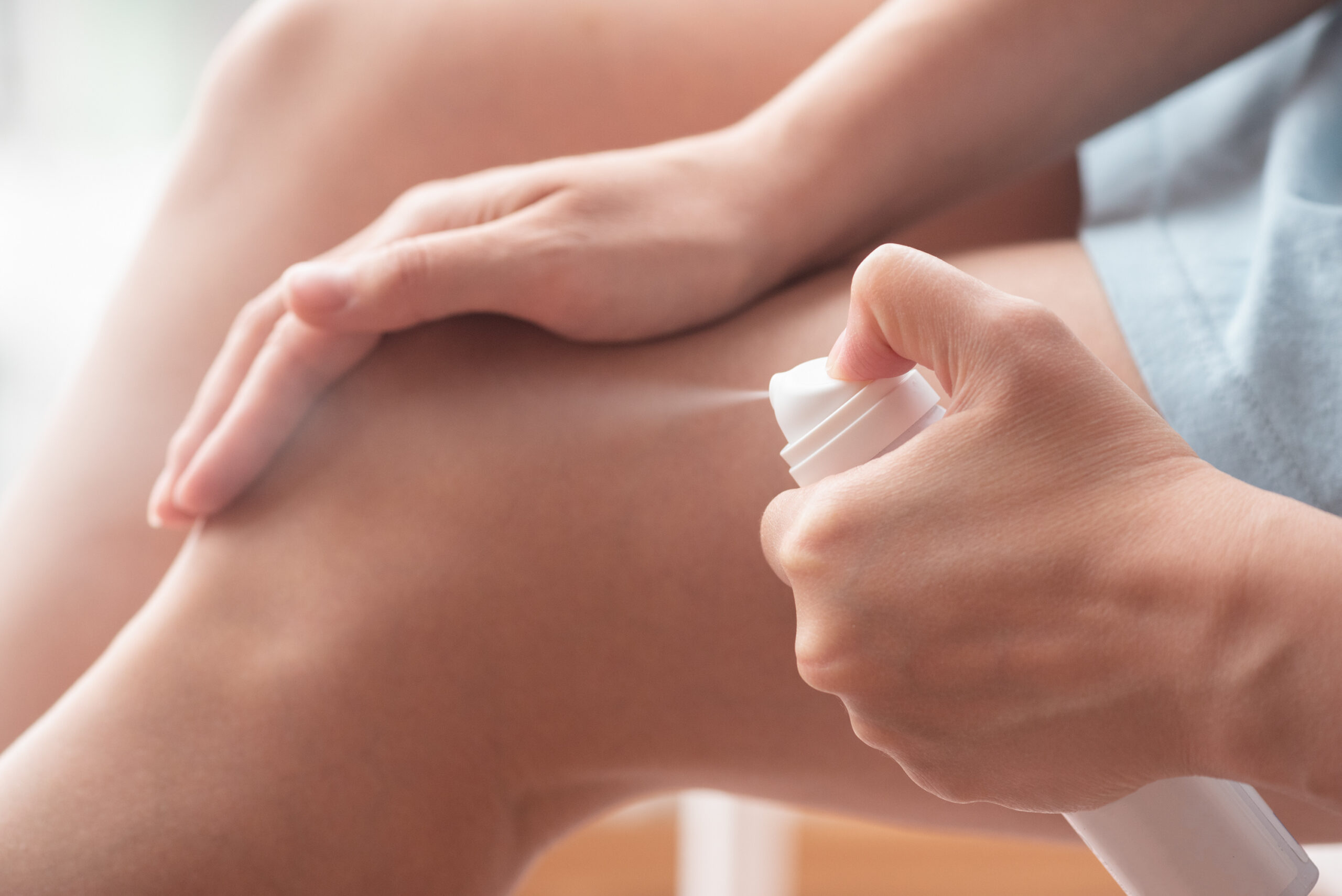
With brand names such as Instant Ice, Biofreeze, and Zim’s Max Freeze, a wide array of so-called cold sprays can be found on pharmacy shelves and online, marketed for treating sprains, strains, and muscle spasms, along with general minor aches and pains associated with joints and muscles. But are they any better than a good-old ice pack?
In technical jargon, a true cold spray is a vapocoolant, a product containing such ingredients as ethyl chloride (in prescription sprays) or pentafluoropropane and tetrafluoroethane (prescription or over-the-counter), which rapidly evaporate from the skin, resulting in a sudden but temporary drop in superficial skin temperature. This in turn sends a barrage of sensory impulses to the spinal cord, where they have an inhibitory effect on local pain.
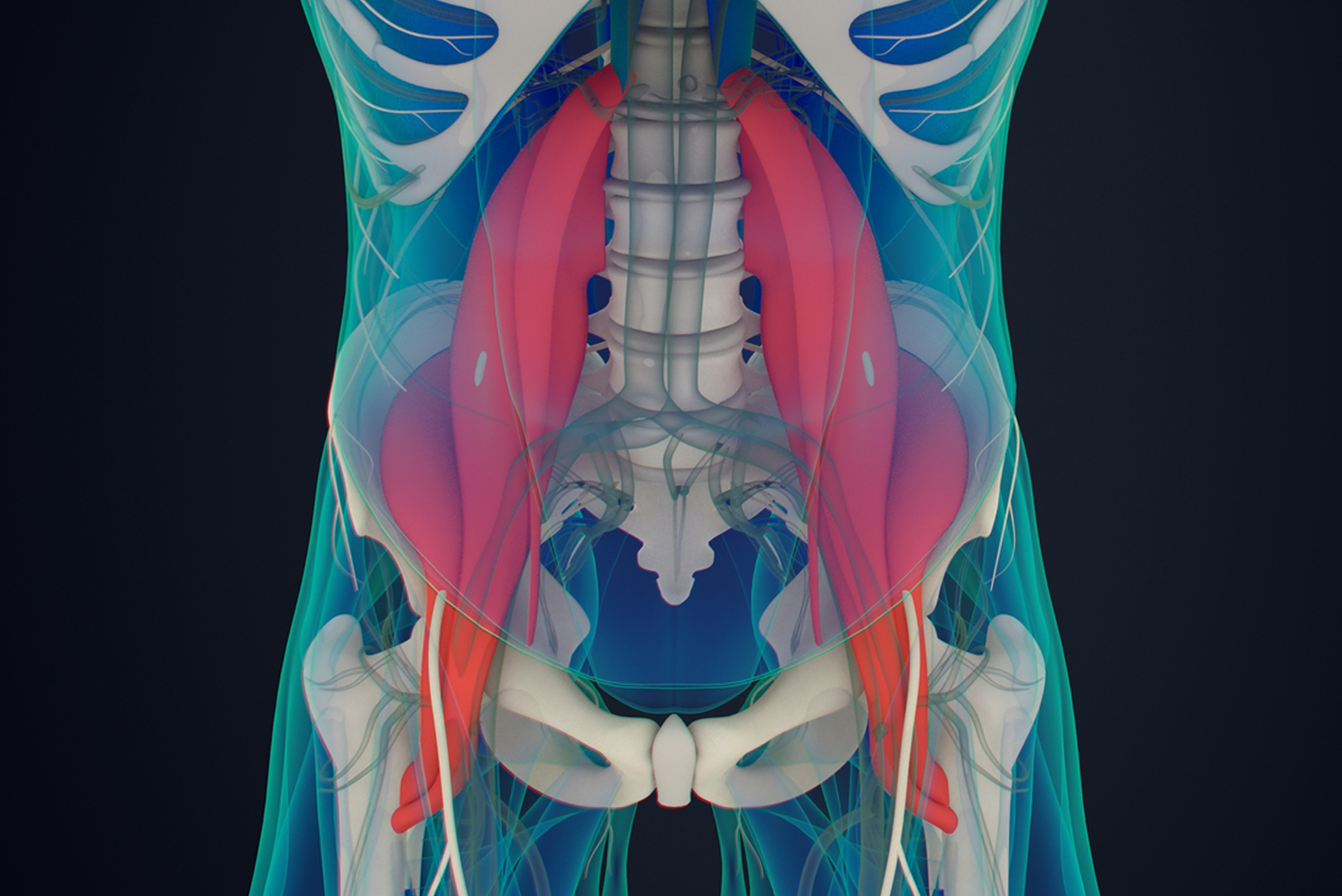
Some athletic trainers use cold sprays when players suffer a joint sprain or a muscle injury or spasm on the court or field but need to get back into play. Physical therapists may use them as part of spray and stretch, a specific technique used to relax a muscle spasm, increase range of motion of a joint (because of muscle tightness), and treat trigger points (hyperirritable spots felt as small, hard knots within taut bands of muscle).
But this isn’t simply pointing the can’s nozzle at a body part and spraying. Rather, spray and stretch involves the practitioner stretching the underlying muscle and then repeatedly spraying the coolant in sweeping motions parallel to the muscle fibers or in a pattern like the spokes of a wheel, depending on the muscle.
The rapid evaporation of the coolant is believed to stimulate nerves in the skin that convey a “coolness” feeling while also reducing the activity of nerves that are involved with muscle contraction. This results in a masking (counterirritant) effect on pain, and, when combined with the stretching, it may break the cycle of pain that occurs with muscle spasms and trigger points. A study of 30 people, published in the Journal of Bodywork and Movement Therapies in 2008, found that spray and stretch was marginally more effective than stretching alone in increasing range of motion of the hip joint. But the participants were not blinded as to which group they were in (that is, they knew they were getting the cold spray treatment), which could result in a placebo effect.
Cold spray caveats
Because cold sprays chill the skin for only a few seconds—and only the outermost layer—the pain relief you may get is fleeting. In contrast, ice or ice packs chill deeper tissues and for a longer time, which can help reduce tissue swelling and inflammation, thus making them a generally better option for musculoskeletal issues, including acute injuries where swelling and inflammation play significant roles.
Bear in mind also that not all over-the-counter cold sprays are the same. In fact, some don’t actually contain vapocoolants. For instance, while Instant Ice is a vapocoolant spray that contains pentafluoropropane and tetrafluoroethane, Biofreeze and Zim’s Max Freeze have menthol, which is thought to exert an analgesic effect by activating as well as desensitizing specific nerve fibers, resulting in the sensation of coolness. However, menthol does not affect nerves involved with muscle contraction or have other properties associated with vapocoolants. Another product, Theraworks, which is advertised for muscle cramps and spasms, also doesn’t contain vapocoolants. Rather, it’s a homeopathic remedy containing magnesium sulfate, for which we could find no conclusive published evidence of benefit for muscle pain.
BOTTOM LINE: If you have pain from a muscle spasm, trigger point, or muscle strain (which can include some causes of back pain), we recommend that you go to a physical therapist, who may use spray and stretch as part of the treatment. On its own, however, you can expect only brief pain relief at best from a coolant spray. Anyone who uses one should be cautious and not apply it on skin where there is an open wound or a recent surgical incision, or anywhere near the eyes—and should stop if skin irritation develops. People who have diabetes or who otherwise have poor circulation or reduced skin sensitivity should avoid these products altogether.