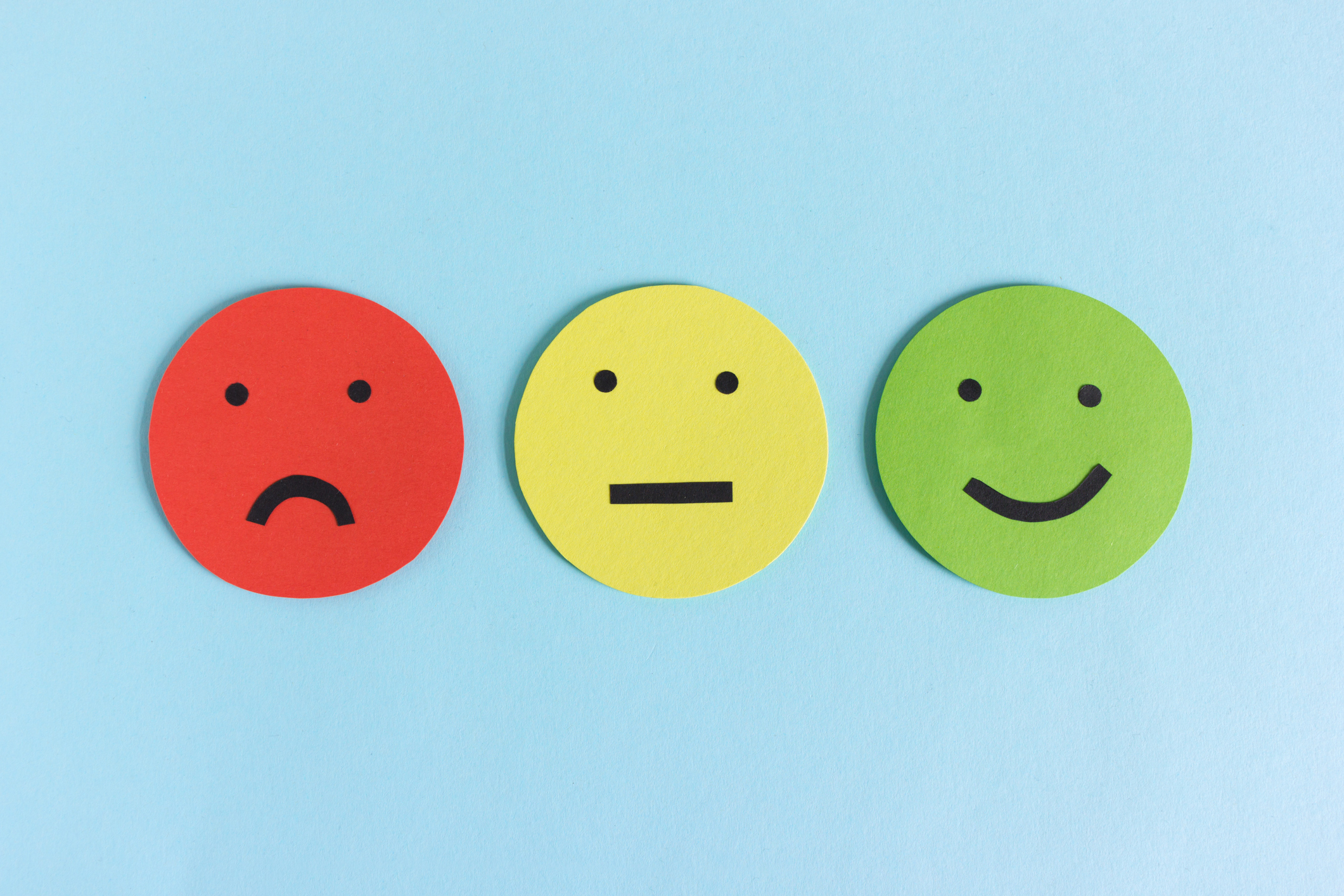

Please imagine a ladder with steps numbered from 0 at the bottom to 10 at the top. The top of the ladder represents the best possible life for you and the bottom of the ladder represents the worst possible life for you. On which step of the ladder would you say you personally feel you stand at this time?
So goes the question posed each year by the United Nations to thousands of people in more than 150 countries as part of its research for the annual World Happiness Report. This marks the fifth year that Finland has ranked as the happiest nation in the world. The U.S. didn’t make it into the top 10—and never has in the 10 years that the report has been released. But the news for us isn’t all bad.
We managed to rank 16th, still pretty high on the list, and an improvement from our ranking at number 19 last year. This puts us just below the ladder’s seventh step, while the Finns perceive themselves standing close to the eighth step. Better still, even though the world continued to be ravaged by the pandemic during the past year, positive emotions measured by such things as enjoyment and laughter outnumbered negative ones (sadness, worry, and anger) by two to one. That was true not just in the U.S. but also across the world.
The World Happiness Report offers good clues as to how Americans can become happier, because each year the researchers look at various factors that affect happiness. The thing is, many of these are factors that you as an individual can’t do anything about. You can’t snap your fingers to increase widescale social support, change the level of corruption in society, or increase your life expectancy. Nor can you suddenly add to your wealth or increase the choices you have in life.
So, what can you do? Two opportunities stand out.
- Be kind, donate, volunteer, help strangers. The report correlates happiness with acts of social support, which are directly in your control. That could mean checking in on neighbors or buying them groceries, donating money or items to help those in need, volunteering with an organization to increase the comfort and security of others, or lending a hand to people you don’t know. Stepping away from your own concerns to tend to others’ may help you reach a higher step on the happiness ladder. Despite the sadness the pandemic has wrought—one in nine people in the U.S. has lost a loved one to the deadly virus—it has brought out our better selves and increased our overall sense of feeling good.
- Make time to learn something new that you’ve always wanted to learn, or participate in an activity—intellectual or otherwise—that you’ve been putting off but that would make you feel good. The report makes clear that activities that keep you engaged or excited can increase positivity.
BOTTOM LINE: The World Happiness Report offers compelling evidence that genetics accounts for 30 to 40 percent of the capacity to feel happy. But that still leaves 60 to 70 percent for influences under your control. Even genetics isn’t fixed, as it is for, say, eye color. Environmental factors can sway the outcome, leaving the keys to feeling positive largely in your own hands.