
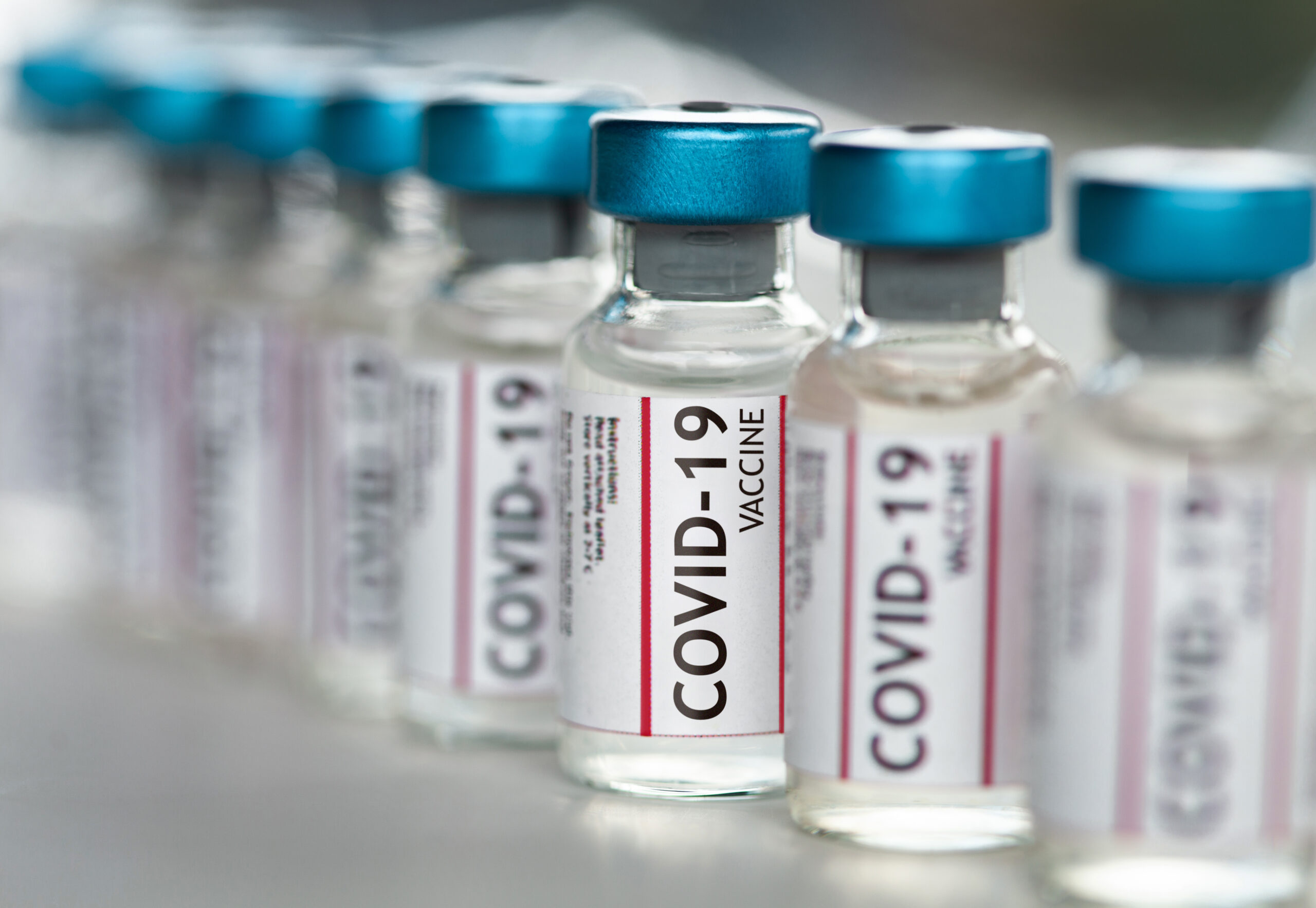
You might have heard the news yesterday that the FDA authorized a Covid-19 booster shot for people 50 and older in light of evidence of waning protection from previous doses.*
Note – The naming of these shots has evolved. Now people are considered up to date with their immunizations if they have had three mRNA vaccines (Pfizer-BioNTech or Moderna) or one J&J vaccine plus one mRNA vaccine. If you are up to date with the mRNA series, the fourth shot represents a booster. If you had J&J plus an mRNA shot, the third shot represents a booster. Yes, this is confusing!
The new authorization for the mRNA vaccines is to allow people to get a booster (a fourth shot) if it has been at least four months after the third shot. If you received the J&J plus mRNA sequence, the third shot, a booster, should be an mRNA vaccine.
It doesn’t matter which previous mRNA vaccines you had—you can choose either Pfizer or Moderna for the booster. Unlike with the previous Covid-19 vaccine recommendations, these decisions are solely an approval, not a formal recommendation. Still, the FDA deems that the potential benefits of a booster to outweigh any known risks.
With the extremely contagious Omicron variant called BA.2 now causing most of the infections in the U.S., we asked John Swartzberg, M.D., Chair of the Wellness Letter Editorial Board, what he thinks about the decision.
John shares:
“Anyone who is 65 or older and more than four months out from their first booster should consider getting a second booster. Their decision should be based on individual risk and community incidence of infection. For instance, if you live in an area of low transmission and you are not doing things that put you at significant risk of getting infected, you may want to hold off getting the booster. Conversely, if you will be traveling to an area of high transmission or engaging in activities that increase your exposure (e.g., you will be at a large indoor gathering, such as a big meeting or a theater or sporting event), that might tilt you to getting the booster.”
“If you’re between 50 and 65 and otherwise healthy, the calculus changes as the risk of hospitalization and death are appreciably less than if you’re 65 or older. Here you might consider waiting for further data before getting a booster. It’s likely we’ll know much more within the next month. Certainly, if cases go up in your community or your activities increase your risk of exposure, you should redo this calculus.”
John added, “My wife and I are not getting a second booster for now, even though we are over 65. But we will be going to our granddaughter’s college graduation in late May; I suspect we will get it about 10 to 14 days before we leave.”
The Wellness Letter will continue to monitor the vaccine news and will keep you updated.
*To read more about the FDA’s decision, including boosters for immunocompromised people, click here