Remember SARS (severe acute respiratory syndrome), the deadly coronavirus illness that was first reported in the U.S. in early 2003? SARS killed fewer than 1,000 people in 29 countries before it was contained several months later and then disappeared. Doctors, scientists, and public health officials all hoped that the current coronavirus pandemic would end similarly. After all, the two viruses are close cousins. The first is officially known as SARS-CoV-1, while the one that causes Covid-19 is SARS-CoV-2.
An important reason for the different outcomes is that SARS-CoV-1 spread from person to person only when symptoms began, which meant that people with the virus could isolate immediately when they felt ill, thereby breaking the infectious cycle. That was fortunate, since that virus had a much higher case fatality rate than SARS-CoV-2. (SARS-CoV-1 killed about 10 percent of those it infected versus about 0.7 percent for SARS-CoV-2.) The Delta variant, on the other hand, sheds for at least a day or two before an infected person becomes symptomatic, so it spreads without warning. Omicron seems to have an even shorter time span between a person becoming infected and being contagious, which is one reason this variant has spread faster than Delta.
Furthermore, SARS-CoV-2 has many animal reservoirs, such that even if we eliminated the virus from every human, different animals, including minks, deer, rodents, and other mammals, could still become infected and potentially spread it back to people. Since we can’t vaccinate all potential animal hosts, eradication of the virus is highly unlikely.
Reaching herd immunity isn’t going to happen any time soon, either. It would take about 90 percent of the world’s population to become immune (either by vaccination or previous infection) to beat back SARS-CoV-2. And it may be that immunity will not last that long, so we could get repeat infections.
So how are we going to get rid of Covid-19 and return to life as we knew it? We’re not.
Pandemic to endemic
In all human history, the only infectious agent to strike humans that has been eradicated is smallpox. By “eradicated,” public health experts mean “gone.” The smallpox virus no longer exists in nature.
One step down from eradication is “elimination,” which means that a disease caused by a virus, bacterium, or other pathogen is not being regularly transmitted within one or more geographic areas but still lingers in other places. Polio, for instance, has been eliminated from all but three countries: Pakistan, Nigeria, and Afghanistan. Measles has been eliminated in parts of the world, too. But eliminating measles is more difficult because it’s so highly contagious. Outbreaks can occur when the number of unvaccinated people in a geographic area or country rises above a certain threshold and the virus is reintroduced into the population. That happened in the U.S. a few years ago, when a measles-infected visitor from another country traveled to Disneyland in California. The visitor infected some unvaccinated Americans, who then spread the virus to others.
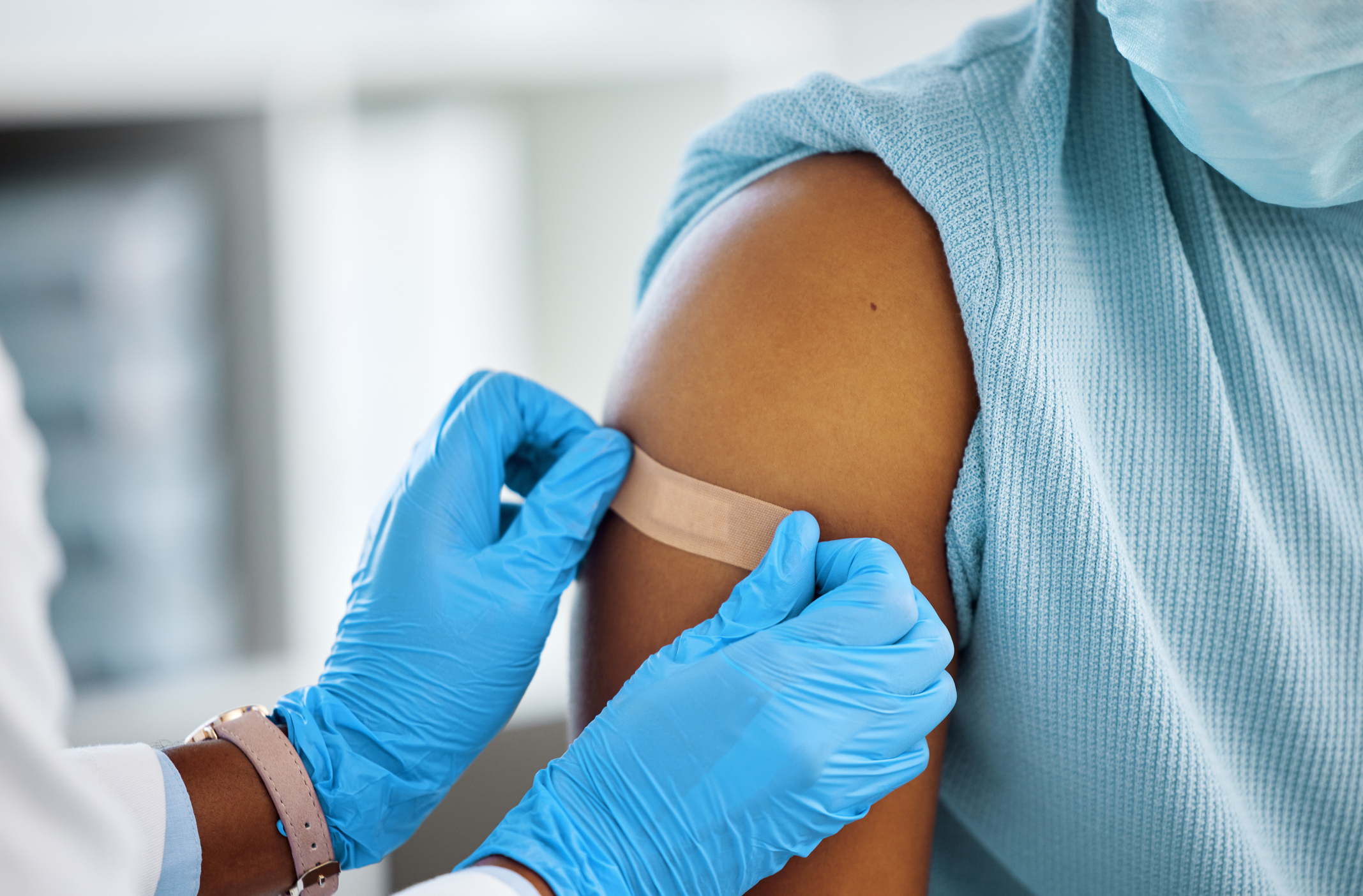
Will we reach elimination status for Covid in the U.S.? Not any time soon, especially with the likelihood of more variants in the future. With the tools we have on hand—vaccinations, face masks, social distancing—we can bring the numbers down. But the virus that causes Covid is going to continue to circulate here. (That’s at least in part because we have not sufficiently availed ourselves of current protection measures—ponder the fact that we have 4 percent of the world’s population yet 21 percent of the world’s cases and 15 percent of the world’s deaths from Covid.)
The good news: I believe that sometime in the second quarter of 2022 we will be able to seriously consider downshifting from pandemic mode (characterized by surges that threaten to overwhelm the healthcare system and take many lives) to what public health researchers often call endemic mode, meaning a constant level of cases. Covid will not disappear, but it will hopefully reach low enough and relatively constant levels such that we can once again feel comfortable doing many things we used to do. We’re going to gain much better control.
Consider influenza (the flu), which is endemic yet doesn’t stop how we go about our daily lives. In the U.S., the flu causes an estimated 10,000 deaths in a “good” year and 70,000 deaths in a “bad” one, with an average of 25,000 to 35,000 deaths annually (along with millions of Americans becoming ill and hundreds of thousands hospitalized). But we don’t modify our lifestyle much to try to avoid it.
In the U.S., we have had nearly 950,000 Covid deaths (as of the beginning of March 2022, as tracked by the CDC) in less than two years. The current estimate is that once this disease becomes endemic, it will cause a low of 10,000 to 20,000 deaths a year to a high of 100,000 deaths a year. The numbers will drop below pandemic levels but will still be significant.
The new normal
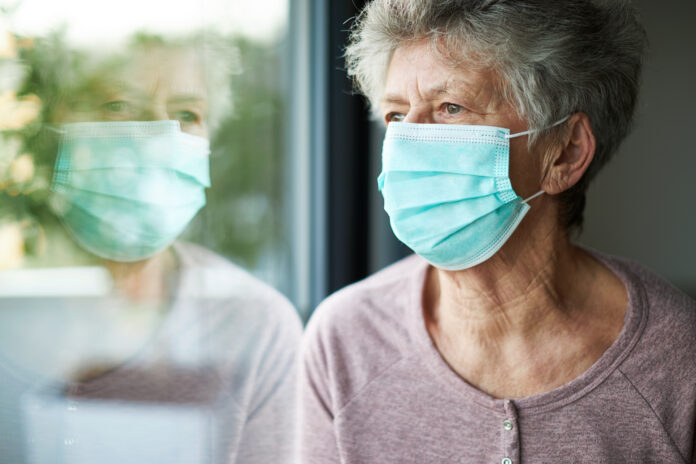
How will we live with that level of risk? In large swaths of Asia, people wear masks whenever they have any respiratory symptoms. Many others simply wear one when they are out socializing or attending a talk in a lecture hall, for instance. It’s been a part of the culture there for decades, and in countries like Japan, South Korea, Taiwan, and Singapore, mask wearing throughout the pandemic has helped keep cases down.
Because my age puts me at high risk if I were to get a breakthrough infection, here’s my game plan, at least for the near future: I won’t worry about attending outdoor events such as football or baseball games, as long as I’m not packed close to many people, but I will think better of going to even a lightly attended event in an indoor space—an older person’s immune system is not as robust as it once was. I also won’t take public transportation without wearing an N95, a KN95, or a KF94 mask, and I’ll try to go at a time when it’s not busy. And I’ll always carry a mask in my pocket. People who are immunocompromised or obese or have diabetes or heart or lung disease, for example, might decide to take similar precautions. A healthy 20-year-old, on the other hand, might decide not to worry about masks or indoor versus outdoor activities.
This personal decision-making is not just about your health status but also about how you approach risk in general. Some people may be in a high-risk group but decide that protecting themselves to the degree that I plan to is not worth the effort. Or they may follow more precautions when cases are spiking but forgo them when numbers are low. And as treatments for acute infections (e.g., monoclonal antibodies, Paxlovid, Molnupiravir) become more available, I will widen my scope of activities with far less trepidation.
Whatever you ultimately decide, it’s overly optimistic to think the virus is going to be gone completely anytime soon and that we can go back to living exactly how we did before, without any consideration of Covid. In reality, the pandemic will likely end not with a bang but with a whimper and on different timetables for each person. But even when the worst is over on a broad level, with corresponding reductions in mandates and guidelines, we will move into a post-pandemic world but not a post-Covid world. The virus will still be killing some people and making others very sick—just at more manageable levels. I’m not feeling all doom and gloom about this, though: Humans as a species have a remarkable ability to adapt, and I have confidence that with just a few adjustments, we will undoubtedly get used to a “new normal.”