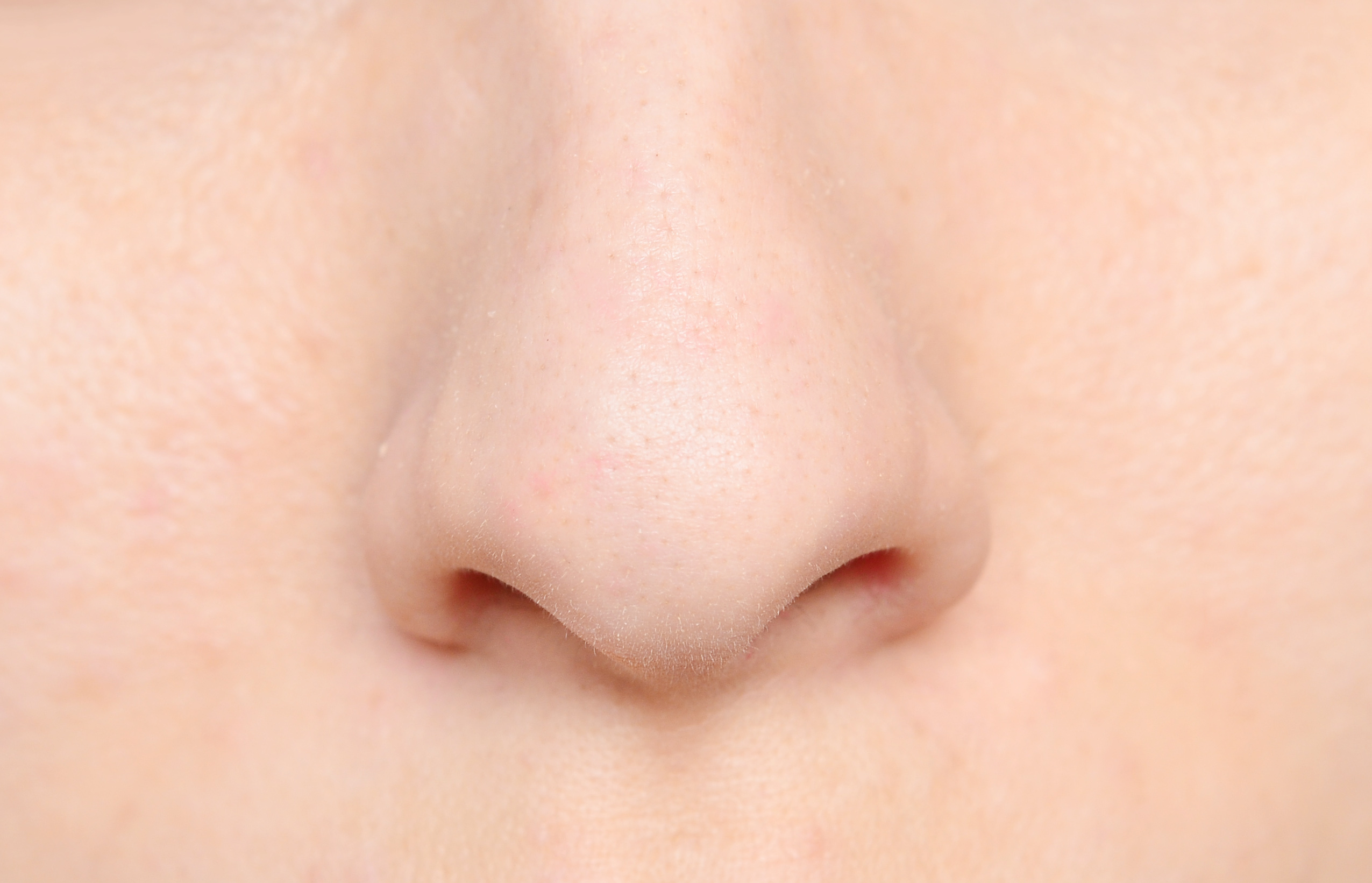

How can I stop a nosebleed?
For most people, nosebleeds (medically called epistaxis) are an occasional and nonserious occurrence. They may result from rubbing, picking, or blowing the nose or from breathing dry air, such as during the winter, or they can happen after injury to the nose.
The source of simple nosebleeds is usually Kiesselbach’s plexus located in the front of the nasal septum, where blood vessels converge. People with a deviated septum may be more prone to nosebleeds because the deviation may increase turbulence of air flow in the nose, which can damage mucous membranes over time.
You can usually stop a nosebleed on your own. But first try to forget everything you ever learned as a child about tilting your head back during a nosebleed, as this allows blood to run down your throat, which can cause vomiting. Instead, take these steps:
- Gently blow your nose to get rid of any clots. (Bleeding may increase slightly.)
- Sit upright and lean forward slightly to avoid swallowing blood.
- Firmly pinch your nose above the nostril openings and below the hard nasal bones, and hold the nostrils shut for at least five minutes. Time it with a clock. If you release the pressure too soon to check the bleeding, the bleeding may not stop.
- Applying an ice pack to the bridge of the nose is a widely touted remedy for nosebleeds, but there’s no good evidence this has any significant effect on blood vessels and blood flow.
If bleeding persists nonstop for more than 20 to 30 minutes despite pinching your nose—or if the bleeding is heavy, like a leaky faucet that won’t turn off—seek immediate medical attention. If you can taste blood, the nosebleed may also be more severe and need emergency care.
To reduce the chance of nosebleeds, use a humidifier or a saline nasal spray, especially in the winter, to keep nasal passages moist. People taking drugs to prevent blood clots like warfarin (Coumadin), clopidogrel (Plavix), apixaban (Eliquis), rivaroxaban (Xarelto), or aspirin or who are taking nonsteroidal anti-inflammatory drugs (NSAIDs) may be more prone to nosebleeds. Topical nasal medications, such as corticosteroids and antihistamines, and overuse of decongestant nasal sprays may also be culprits. Speak with your doctor if you take any of those medications and have frequent nosebleeds.
You should also see your primary care doctor or an ENT (ears, nose, and throat) doctor if you get frequent nosebleeds for no obvious reason; tumors in the nose or sinuses or a hereditary condition should be ruled out.