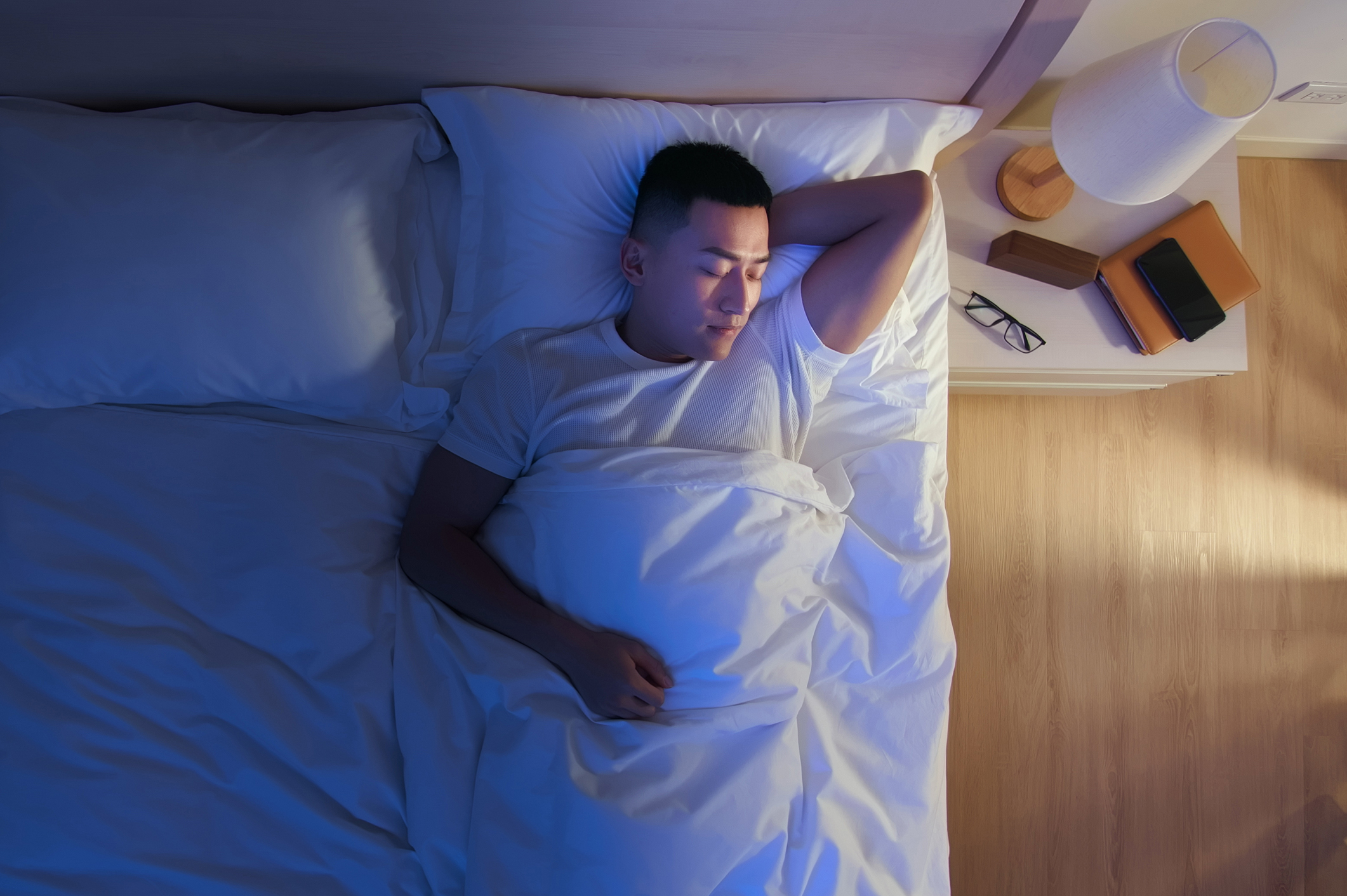
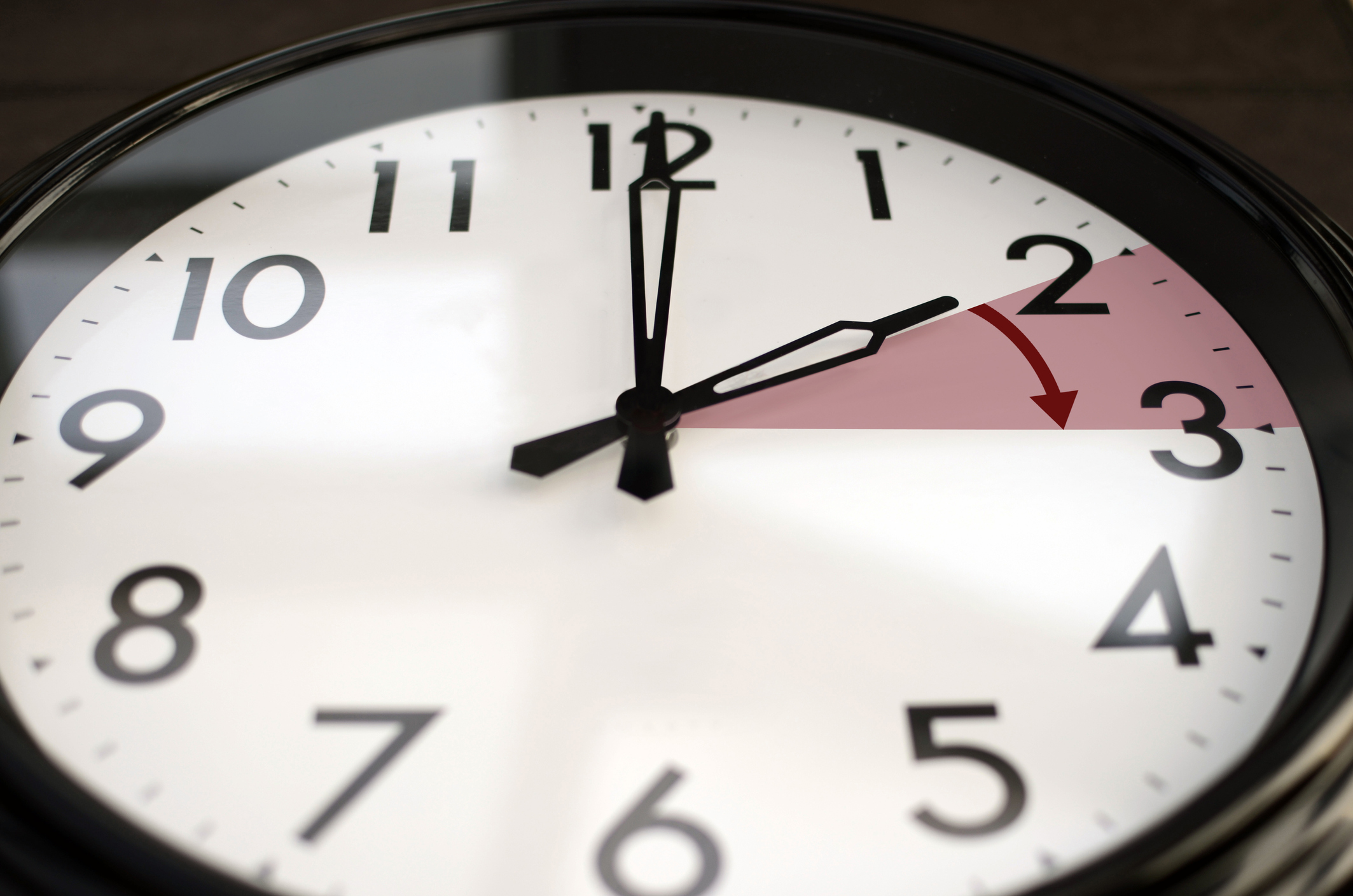
Losing an hour of sleep on the second Sunday in March is a simple annoyance for most people, but some studies have linked serious health consequences to the shift to daylight saving time (DST), when there is more light in the evening and more darkness in the morning. Below are some examples of how “springing forward” might set our health back.
Sleep loss
Much of the blame for DST’s health effects stems from sleep loss. That lost hour can interfere with the body’s circadian rhythm—our natural sleep/wake cycle. According to some research, it takes about a week for our bodies to adapt to a time change, which can result in problems with falling and staying asleep, leaving us sluggish and sleep deprived.
Heart attacks
Some data suggest that the risk of heart attacks increases when we turn the clocks forward. Research published in the Journal of Clinical Medicine in 2019 analyzed seven studies of more than 115,000 patients who had heart attacks in the weeks shortly after DST or in the weeks following the return to standard time in the fall. Overall, the analysis showed a higher incidence of heart attacks during the two weeks after DST, but no significant difference in the rates of heart attack after the switch back to standard time in the fall.
One study in the analysis reviewed more than 25,000 heart attack cases and found that, overall, heart attacks were no more common during time changes than at any other time of year. However, researchers did find that a subset of people who had a prior heart attack as well as those taking angiotensin (ACE) inhibitors—a common blood pressure and heart failure treatment—may have a higher risk of a heart attack in the week after the spring shift than similar patients not taking the drug.
Studies such as those in the analysis, however, have limitations, like their reliance on data from registries, insurance databases, and hospital discharge notes. Such sources can exclude relevant information that could better explain the outcomes.
Strokes
The strongest case for a risk of stroke with DST comes from a Finnish registry-based study published in Sleep Medicine in 2016 that found a higher risk of ischemic stroke–related hospitalizations during the first two days after a DST switch. The risk was particularly high among women and adults older than 65. Stroke incidence may be connected to circadian rhythm changes, say the researchers. They also point to other studies that tie stroke risk to either too little or too much sleep.
Mortality
An Austrian study published in the International Journal of Environmental Research and Public Health in 2020 found a 3 percent increase in daily deaths in the week following the time change, after the researchers controlled for such variables as weather and day of the week. The time span covered was 1970 to 2018. Though few other studies have examined the impact of DST on total mortality, a switch to DST “should be avoided in the interest of general well-being,” the researchers concluded.
Traffic accidents
Whether DST directly leads to more car accidents is not clear, as study results have been mixed. A study that investigated traffic accidents in the U.S. from 1975 to 1995 found an increase in fatalities on the Monday after DST and the Sunday after the return to standard time. The researchers attributed the rise to driver sleepiness and the disruption of sleep timing, respectively. Then again, a 2010 study found no effect on traffic accidents in Minnesota over six years during either spring or fall transitions. And, a 25-year traffic study in Finland saw no differences in accident rates during the week before and after the time changes.
Time for a change?
Because the studies are all observational, they can’t prove that DST is a direct cause of the health consequences; they can show only an association between the two. Still, there has been increasing support for eliminating seasonal time changes out of concern for public health. In 2020, the American Academy of Sleep Medicine (AASM) released a position statement calling on the federal government to enact a permanent standard time that is more in line with our natural daily circadian rhythms. The AASM cited evidence of increases in cardiovascular events, strokes, inflammatory markers (a response to stress), hospital admissions, human errors in medical care, mood disturbances, and traffic fatalities in the days after the change to DST.
“There is ample evidence of the negative, short-term consequences of the annual change to daylight savings time in the spring,” said AASM President Dr. Kannan Ramar. The AASM’s position statement has been endorsed by more than 20 medical and health-advocacy organizations including the California Sleep Society, the World Sleep Society, the American Academy of Cardiovascular Sleep Medicine, the American College of Occupational and Environmental Medicine, and the National Safety Council.
Many Americans would also like to see an end to the “changing of the clocks.” According to a 2020 online survey of some 2,000 adults in the U.S. by AASM, 63 percent favored a fixed year-round time, with parents of young children showing the most support. In another AASM survey, from 2019, 55 percent of adults reported feeling extremely or somewhat tired after the change to DST.
How to adapt
Time will tell if the U.S. ever adopts a permanent standard time. In the meantime, if you tend to struggle to adapt to the spring time change, try these strategies to help manage that lost hour of sleep:
- Go to bed 15 to 20 minutes earlier than usual in the days leading up to the time change, or at least on the night of the time change.
- Sleep in for an extra half hour on the Sunday morning after the clocks change.
- Get some sunlight early in the morning on the days after the switch. If that’s challenging, consider using a light box or a dawn simulator.
- Start adjusting the timing of daily routines that are “time cues” for your body, like eating dinner earlier in the nights leading up to the spring switch to DST.
- In the early evening before the DST switch, set your clock ahead one hour and go to sleep at your usual hour, according to the new time.
- Make sure to go to bed at your usual hour on Sunday night to get enough sleep before the workweek starts.
The practice of changing the local time so that peak periods of activity coincide with daylight is widely attributed to Benjamin Franklin, who, perhaps satirically, suggested a time change in 1784 for economic reasons—to cut back on candle burning in the evenings.
European countries first adopted daylight saving time during World War I to conserve energy. The U.S. soon followed suit but ended the practice after the war.
In 1966, Congress mandated a one-hour advance on the last Sunday in April—since then it has moved to the second Sunday in March (at 2 a.m.)—and an hour retreat on the last Sunday in October (since moved to the first Sunday in November) to conserve energy, extend recreational hours into the evening, and promote tourism. (It’s rumored that the golf industry and candy makers—proponents of extending the end date to occur after Halloween—were among those who successfully lobbied Congress to institute DST.) Some states and territories have chosen not to participate in DST, including Hawaii, most of Arizona, Puerto Rico, and Guam.