Most of our readers know what it generally takes to have a healthy heart besides just inheriting “good genes”: Eat a healthy diet, exercise regularly, keep your blood pressure and weight down, and don’t smoke. But February is American Heart Month, a good time to spotlight heart disease, which remains the No. 1 cause of death in the U.S. (not figuring in Covid-19, which briefly became the leading killer of Americans in late 2020 and early 2021 before vaccines were available—and was the third leading cause of U.S. deaths in 2020 overall after cancer).
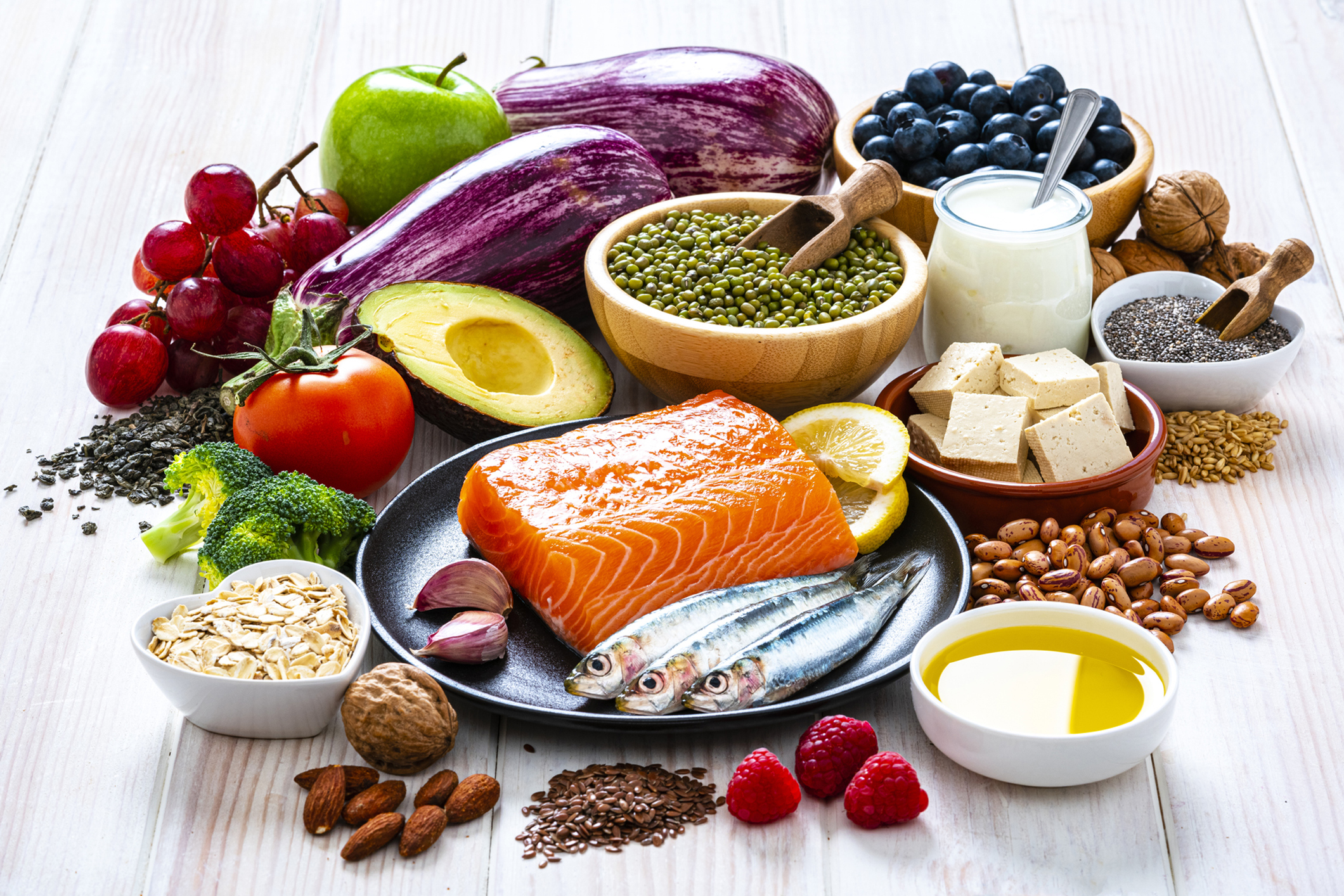
So with your heart in mind, here’s a rundown of the 10 key features of a heart-healthy diet, released by the American Heart Association (AHA) in an updated scientific statement in November, plus some of our own commentary and a few general tips added in. Published in the journal Circulation, the recommendations emphasize dietary patterns (over individual foods or nutrients) and early adoption of healthy eating habits to be maintained over a lifetime. The 10 steps are backed by clinical trials and observational studies that provide evidence of their effectiveness in improving cardiovascular health. Of note, the AHA does not support popular or fad diets such as the ketogenic diet and intermittent fasting, citing insufficient evidence that they improve heart health.
1. Adjust energy intake and expenditure to achieve and maintain a healthy body weight
That is, to avoid weight gain, don’t take in more calories from food (watch out for supersized portions, even of healthy foods) than you burn off through physical activity (150 minutes of moderate exercise a week is recommended) and normal metabolic processes. Keep in mind that as you get older, your daily calorie needs drop—by about 25 percent between middle age and old age, according to one recent study. This is largely due to reductions in physical activity and muscle mass but also reflects the typical metabolic slowdown that accompanies aging.
2. Eat plenty of fruits and vegetables; choose a wide variety
Choose deep-colored produce (spinach and sweet potatoes, for example) over light-colored (iceberg lettuce and white potatoes) for higher nutrient and phytochemical levels; choose whole fruits and vegetables over juices for more fiber and increased satiety. Frozen, canned, and dried fruits and vegetables can be good options—convenient, often lower priced, and longer lasting—but watch out for added sugar and salt. Don’t rely on dietary supplements; they are not the equal of real food.
3. Choose foods made mostly with whole grains rather than refined grains
Daily intake of whole grains—good sources of fiber, nutrients, and phytochemicals—is linked to better cardiovascular health compared with infrequent intake, especially when they replace refined grains. Whole grains may help aid digestion because of their fiber content and may also have beneficial effects on gut microbiota (the population of microorganisms residing in the intestinal tract). The 2020 Dietary Guidelines for Americans recommend making half your grains whole grains. The 100% Whole Grain Stamp from Oldways Whole Grains Council identifies foods that are 100% whole grain; the 50%+ Stamp indicates that at least half the grains in the product are whole grain. Products with the Basic Stamp contain at least a half serving of whole grains—and may have more refined grains than whole grains. (Don’t necessarily overlook foods without a Stamp, however: They may be just as healthful, but for financial or other reasons, their manufacturers just haven’t applied for the Stamp.)
4. Choose healthy sources of protein
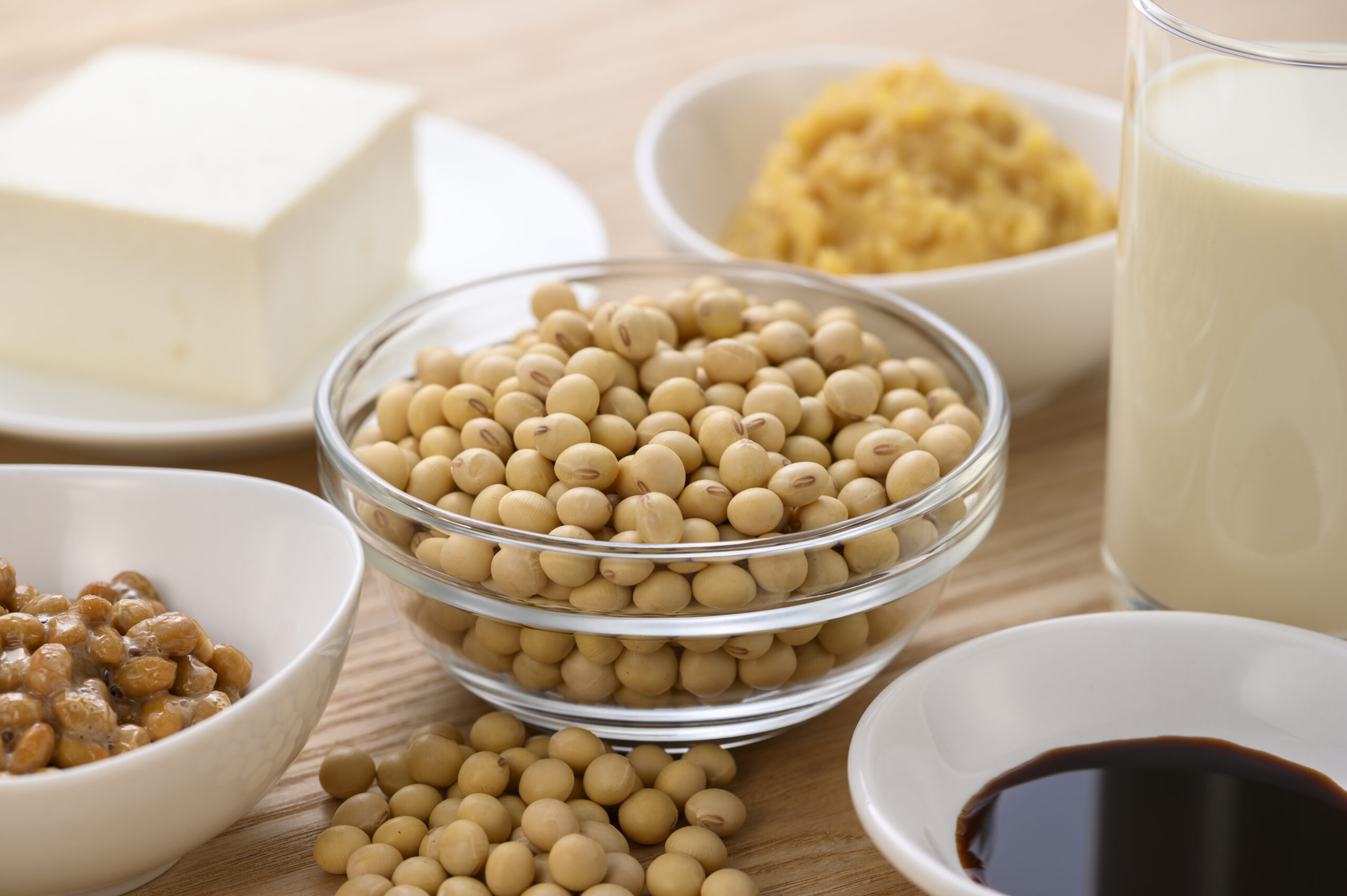
- Mostly plant sources (legumes and nuts). Legumes, which include beans (soybeans, chickpeas, black beans, etc.), lentils, and split peas, are especially high in protein and fiber. But beware of highly processed plant-based meat alternatives, the AHA cautions: They are often high in saturated fat, salt, added sugar, stabilizers, and preservatives, with limited evidence of short- and long-term health effects. “Of note, replacing animal-source foods with plant-based whole foods has the additional benefit of lowering the diet’s carbon footprint, thus contributing to planetary health,” the statement reads. Raising animals for food and milk uses a disproportionate amount of water and land (compared to growing plant foods) and contributes to greenhouse gases involved in global climate change.
- Fish and seafood. The AHA has long advised eating at least two servings of fish a week for improved cardiovascular health and reduced mortality from all causes, attributed partly to the omega-3 fatty acids in seafood. Taking omega-3 supplements has not shown the same effects. There are also benefits when fish replace other animal protein sources, notably red and processed meat and full-fat dairy foods high in saturated fats (see below). Omega-3-rich fish include mackerel, lake trout, salmon, sablefish (black cod), and barramundi. Limit or avoid fried fish.
- Low-fat or fat-free dairy products over full-fat. Eating plans that include low-fat dairy products (such as DASH, or Dietary Approaches to Stop Hypertension) are linked to lower cardiovascular disease, lower obesity, and lower all-cause death. And overall, shifting from full-fat dairy to low-fat or nonfat dairy products means a diet that is lower in saturated fat, which is also associated with better heart health. But as the AHA points out, “the benefits of low-fat and fat-free dairy products compared with full-fat dairy products is not without controversy and continues to be debated.” For one, there’s some evidence that fermented dairy foods, including whole-milk yogurt, have cardiovascular benefits.
- Lean cuts if you desire meat or poultry; avoid processed forms. The detrimental effects of red meat, especially processed red meat, on cardiovascular health are well documented and are attributed to the saturated fat and other components of meat such as L-carnitine and phosphatidylcholine. Replacing red and processed meat with unprocessed poultry (and nonmeat alternatives, as mentioned above) reduces the risk. Processed meats include bacon, hot dogs, deli meats, sausage, salami, and pepperoni, which are additionally high in sodium. How meat is prepared also matters: Meat cooked at high heat or charred contains potential cancer-causing compounds called heterocyclic amines (HCAs) and polycyclic aromatic hydrocarbons (PAHs).
5. Use liquid plant oils rather than tropical oils, animal fats, and partially hydrogenated fats
Plant oils high in monounsaturated fats (such as olive and canola oil) and polyunsaturated fats (such as soybean, corn, safflower, and sunflower oil) reduce LDL (“bad”) cholesterol when used in place of saturated fats (as found in butter and lard and in coconut, palm, and palm kernel oils). The AHA also recommends avoiding partially hydrogenated oils that contain harmful artificial trans fats. This is much easier to do now since the FDA declared in 2018 that these oils were no longer GRAS (“Generally Recognized as Safe”), which effectively removed them from the U.S. food supply.
6. Choose minimally processed foods instead of ultra-processed foods as much as possible
Ultra-processed foods are ready-to-eat, packaged products designed to achieve an intended taste and performance (shelf-life) rather than healthful attributes. In addition to added salt, sugar, or fats, ultra-processed foods have other added ingredients such as artificial colors and flavors and preservatives. They include everything from processed meats, margarine, jarred sauces, and frozen entrées to most commercial baked goods, chips, breakfast cereals, ice cream, and candies. Think of them as multi-ingredient industrially formulated mixtures that are no longer recognizable as their original plant or animal sources. Studies have linked ultra-processed foods to increased calorie intake and weight gain, cardiometabolic disorders (including cardiovascular disease and type 2 diabetes), and higher mortality.
7. Minimize intake of beverages and foods with added sugars
Added sugars (as opposed to naturally occurring sugars in milk and fruit, for instance) have consistently been linked to the development of obesity, diabetes, and heart disease, among other conditions. Evidence of harm from added sugars was strong enough so that food manufacturers are now required to list “Added Sugars” on the updated Nutrition Facts label to make it easier for consumers to limit or avoid them. Added sugars include corn syrup, high fructose corn syrup, cane sugar, sucrose, dextrose, glucose, honey, evaporated cane juice, agave syrup, concentrated fruit juice, and maple syrup.
8. Choose and prepare foods with little or no salt
Consuming excess sodium, a component of table salt, is generally associated with increased blood pressure. Reducing sodium lowers blood pressure, especially in people who have hypertension, are middle-aged and older, or are Black. About 75 percent of the sodium in the American diet comes from processed foods (like cured meats, soups, frozen entrées, breads, and condiments) and restaurant foods, including fast food. The rest is found naturally in foods, added during home preparation, or added to food at the table from the salt shaker. If you buy packaged foods, look for “low-sodium” (140 milligrams of sodium or less per serving, by FDA definition) or “no-salt-added” versions. (Note that “reduced sodium” or “less sodium” products—which have at least 25 percent less sodium than their regular counterparts—may still be high in sodium; for example, reduced-sodium soy sauce has about 500 milligrams per tablespoon, which is 20 percent of the daily recommended limit.) The best way to lower your sodium intake is to cook at home from scratch using unprocessed, whole ingredients and adding herbs and spices instead of salt.
9. If you do not drink alcohol, do not start; if you choose to drink alcohol, limit intake
Heavy drinking damages the heart, increases blood pressure, and causes other cardiovascular problems, as well as increases the risk of some cancers—not to mention all the deaths and injuries related to drunk driving, the effects of alcohol on pregnancy outcomes, and lives devastated by alcoholism. In fact, compared to the known risks of alcohol, the proposed benefits of alcohol have never been unequivocally established, and whether drinking moderately is beneficial is now being debated more than ever. Thus, the AHA “does not support initiation of alcohol intake at any level” for cardiovascular health. Updated guidelines from the American Cancer Society in 2020 go one step further, advising “it is best not to drink alcohol” at all, because even small amounts can increase the risk of some cancers.
10. Adhere to this guidance regardless of where food is prepared or consumed
Take these steps when eating at home and in restaurants, ordering online, and buying prepared foods. We at the Wellness Letter, however, think that as long as you focus on the big picture, occasional indulgences are fine in the context of an otherwise healthful, plant-based, whole-foods eating plan and active lifestyle.
BOTTOM LINE: The AHA guidelines are pretty straightforward and can be customized to meet personal preferences and any religious or ethnic practices you may follow. Several other healthy dietary plans such as the Mediterranean diet and DASH incorporate the same or similar principles that the AHA recommends and have been linked not only to better heart health but also to decreased risk of other health conditions, such as diabetes and cognitive decline.
But achieving and sticking with a healthy eating plan overall is not quite so simple since bad diet habits are hard to break, especially considering all the societal factors that thwart healthy eating. As the AHA notes, these include ubiquitous marketing and widespread availability of unhealthy foods, dietary misinformation on the internet, limited access to nutritious foods by millions of Americans, and racial disparities in access to grocery stores selling nutritious foods at affordable prices—issues that need to be addressed on a public health level.