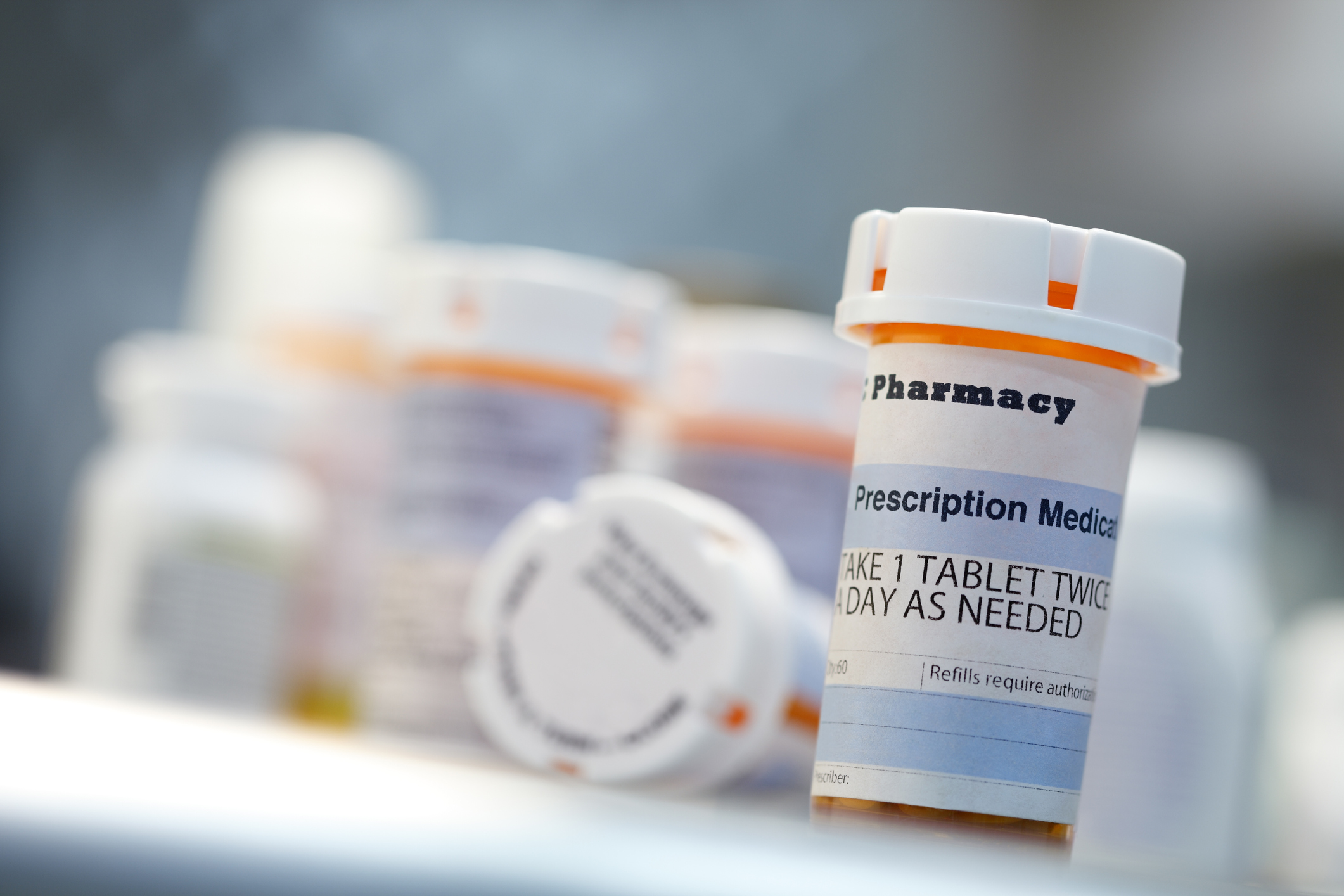

If you have trouble swallowing pills, especially large ones, here’s what to do to make them go down easier:
- Before you take your pill, take a deep breath and exhale. This may help you relax and inhibit your gag reflex.
- Sip some water before putting the pill in your mouth; this helps lubricate your mouth and throat so the pill will go down easier.
- Always swallow a pill with water to minimize the risk of it getting stuck and irritating the esophagus; then wash it down with more water.
- For capsules, try the lean-forward technique: Place the capsule on your tongue, take a medium sip of water (don’t swallow yet), then tilt your chin slightly toward your chest. Keeping your head bent forward, swallow the capsule and water together.
- For tablets, try the pop-bottle method: This involves drinking water from a flexible plastic bottle with a narrow opening. Place the tablet on your tongue, then close your lips tightly around the bottle opening; as you drink from the bottle, the sucking motion makes the tablet go down easily (you should feel the bottle collapsing in on itself).
- Don’t take pills with soda, sparkling water, or seltzer—carbonation makes it harder to swallow quickly. Using a thicker fluid, like milk, may help make swallowing pills easier.
- Put the pill in applesauce, yogurt, or pudding. The soft texture of these foods can make it easier to swallow pills whole. But if the label on the medication says to not take the pill with food, check with your pharmacist if a very small amount of these foods is okay. And never crush a pill into food without talking to your pharmacist first (extended-release and enteric-coated pills should not be altered, for instance).
- If you still have problems taking your pills, ask your doctor or pharmacist if the medication comes in an alternative form, such as in a liquid or as a suppository.
A German study in the Annals of Family Medicine in 2020 found the lean-forward and pop-bottle methods to be “remarkably effective” in easing swallowing of capsules and tablets, respectively. But if you have a swallowing disorder (dysphagia) as a result of a medical condition, consult your doctor or a speech therapist first for assessment and advice, especially before trying the pop-bottle method.