Covid-19 is mainly spread through airborne transmission, and the risk of becoming infected with the coronavirus by touching a contaminated surface is “generally considered to be low,” according to the Centers for Disease Control and Prevention (CDC). The best way to prevent transmission is by getting vaccinated, wearing a mask, social distancing, and avoiding large congregate settings.
Still, the CDC recommends that you clean high-touch surfaces regularly or after you have visitors in your home to lower the risk of infection. It’s not necessary to disinfect surfaces unless someone in your residence has Covid or someone who visited you within the last 24 hours had the virus. Another good reason to wipe down surfaces: Doing so may help reduce the risk of acquiring other respiratory viruses, including rhinoviruses, which are the primary cause of the common cold.
Whether you’re cleaning or disinfecting, you need to take safety precautions to ensure that you’re not exposing yourself to toxic chemicals. The importance of cleaning safely became more evident when the coronavirus pandemic first hit our shores and our zeal to clean and disinfect doorknobs, countertops, and cell phones surged.
In April 2020, the CDC’s Morbidity and Mortality Weekly Report, published at the beginning of the pandemic, revealed a dramatic increase in the number of calls to the nation’s 55 poison control centers, as reported to the National Poison Data System (NPDS). Between January and March 2020, these centers received 45,550 calls about exposures to cleaners and disinfectants—a 20 percent increase compared to the same three-month period in 2019 (37,822). The authors said the number of calls likely underestimates the number of exposures since it accounts only for persons who called centers for assistance and not those who were exposed but didn’t call.
The NPDS data can’t prove that Covid cleaning directly led to the poison control center calls, but the timing suggests a pretty clear link. The reported exposures happened just as media coverage of the pandemic ramped up, stay-at-home orders went into effect, and there was a run on cleaning and disinfecting products.
Risky practices
Among all cleaner categories, exposure to chlorine bleach—one of the products the CDC recommends for disinfecting surfaces—accounted for the largest percentage of the increase (62 percent) in calls. Nonalcohol disinfectants other than bleach (37 percent) and alcohol-based hand sanitizers (37 percent) made up the biggest percentage of the increase among disinfectants.
The largest bump in exposures came from breathing in the fumes from cleaners and disinfectants. Poison control centers had 35 percent more reports of people accidentally inhaling any type of cleaner and 109 percent more reports of people accidentally inhaling disinfectants.
How to clean and disinfect safely
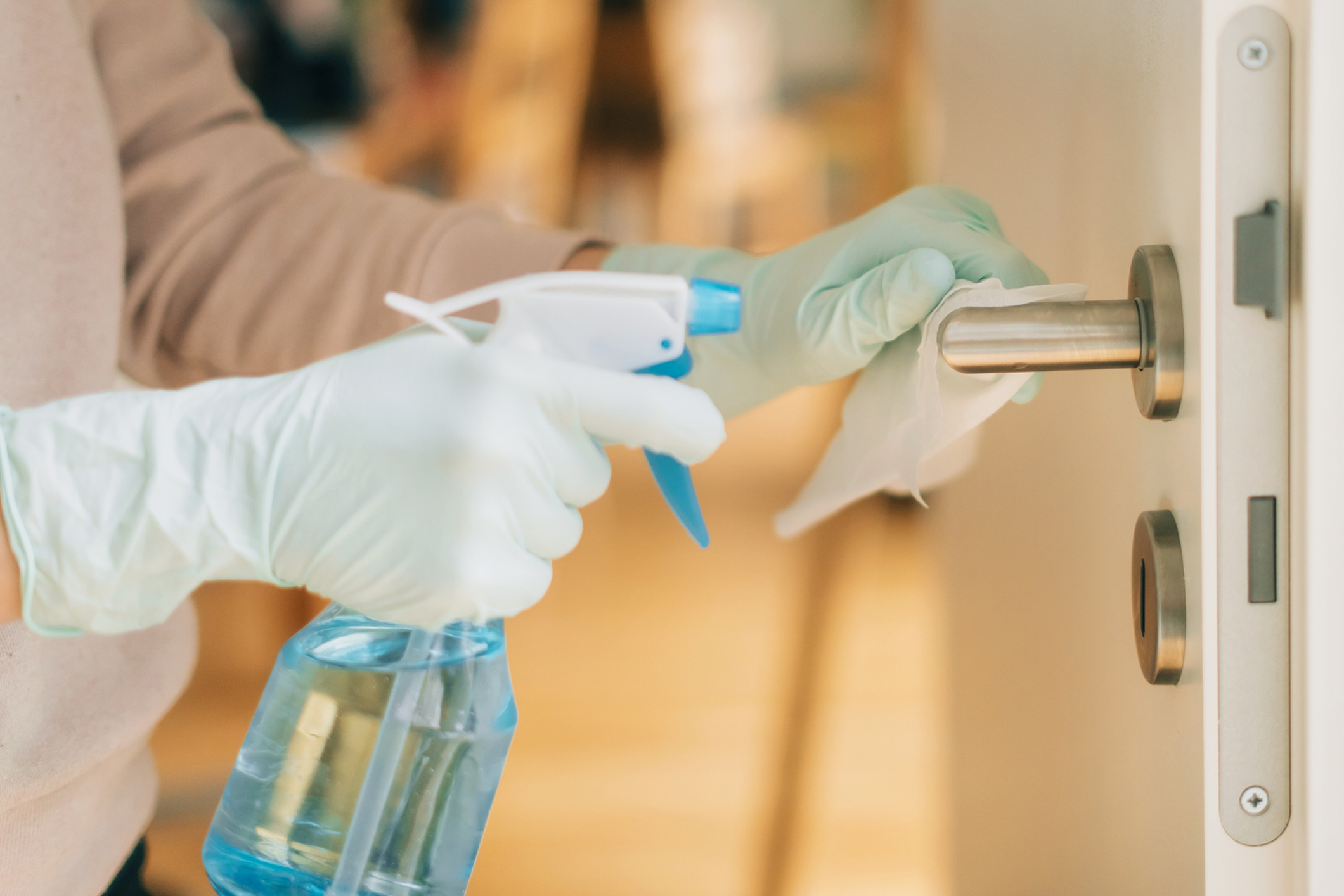
The CDC recommends that you regularly clean all high-touch surfaces, including doorknobs and handles, light switches, countertops, phones, keyboards, toilets, and sinks. Using a cleaning product that contains soap or detergent should be sufficient to eliminate most virus particles on surfaces.
If someone in your household is sick, use a product on the U.S. Environmental Protection Agency’s list of disinfectant products, which includes sprays, surface wipes, and other liquids, that are effective against coronavirus. You can find the list on the agency’s website. Sometimes the same disinfectant is sold under different brand names, so check the number on the product’s label against the EPA registration number on the site to ensure the one you’ve chosen works against coronavirus. (If the surface is outwardly dirty, scrub it with water and soap or detergent before wiping it with disinfectant.)
When using a disinfectant, leave it on the surface for the amount of time recommended on the label (sometimes called the “contact time” or “dwell time”) to kill the virus. You should wash surfaces first with water and soap or detergent.
To keep you and your family safe while using cleaning and disinfectant products, follow these tips:
- Always follow the directions on the product label to make sure you’re using the cleaner correctly.
- Keep children and pets out of the room until the cleaning product has dried and you can no longer smell it.
- Leave the windows or door open and turn on a fan to keep the room ventilated. If the odor becomes too strong, step away from the area until the smell dissipates.
- Wear rubber or disposable gloves and protective eyewear as well as a long-sleeved shirt and long pants.
- Never mix bleach with ammonia, vinegar, or other household chemicals. The combination could create toxic fumes.
- Dilute bleach with water, adding four teaspoons of regular unscented chlorine bleach per quart of water.
- Don’t use any disinfectant cleaner, including wipes, on your skin or on food.
- Never ingest any disinfectant or other cleaning products.
- Wash your hands with soap and water after using any disinfectant product, including wipes.
- Close the cleaning product lids tightly after you’ve finished using them. Store them in a high or locked cabinet, far out of children’s reach.
Anyone who’s made the switch to green cleaning products might be frustrated in their search for environmentally friendly products that work against the coronavirus. Few eco-friendly cleaners are listed by brand name on the EPA’s list of coronavirus-approved products.
The Environmental Working Group recommends these less-toxic virus-killing ingredients, which you can find when you search the EPA’s list of cleaners:
- Citric acid
- Ethyl alcohol (ethanol)
- Hydrogen peroxide
- L-lactic acid
- Octanoic acid (caprylic acid)
- Thymol
You may have to read ingredient labels to find eco-friendly products that contain any of the above ingredients since the EPA doesn’t list all products by brand name. For example, several disinfectants marketed under the Seventh Generation brand contain thymol. These products are the same as those listed on the EPA site under a different brand name, CleanWell, according to the Seventh Generation website.