What should my resting heart rate be?
Adults generally have a resting heart rate that ranges from 60 to 100 beats per minute. Your number will depend on a variety of factors, including your overall cardiovascular fitness, body position, emotional state, medication regimen, and even the weather. Your health is another factor—for instance, having a fever, hyperthyroidism, or anemia would cause a faster heart rate.
If you get into the habit of measuring your heart rate regularly, you may notice slight variations from time to time. Your heart rate may increase if you’re angry or agitated, and it may slow if you’re put on beta-blockers. Is it hot and humid outside? Prepare for a slight rise in your heart rate. In general, men have slightly lower resting heart rates than women, and adult heart rates are lower than those of children.
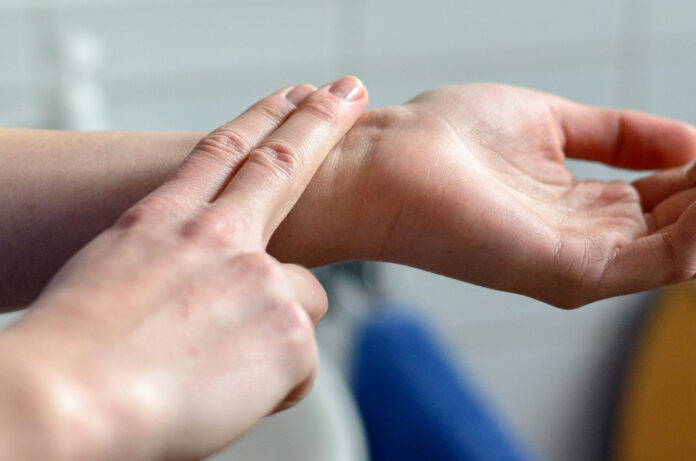
When measuring your resting heart rate, make sure you set the stage to capture it correctly. For the most reliable results, do it when you’re lying down and relaxed, such as immediately after waking in the morning. Before you sit up or get out of bed, place two fingers on the spot where you can most easily feel your pulse, such as at the carotid artery in your neck or the radial artery at the inner wrist beneath your thumb. Count the number of beats that occur in a 15-second period and multiply that number by 4 to calculate your heart rate per minute.
In trained athletes or people who engage in regular aerobic exercise, resting heart rate tends to be on the lower side, generally about 50 beats per minute or sometimes even lower. This is because conditioning strengthens the heart and allows it to move more blood with every beat, minimizing the number of beats needed for optimal circulation.
If, for no known reason, your resting heart rate is consistently above 100 or below 60 and you’re not regularly exercising, let your doctor know. It could be a sign of an underlying problem.