Q. Is it true that it’s now recommended that babies be fed peanut-containing foods to reduce their risk of peanut allergy?
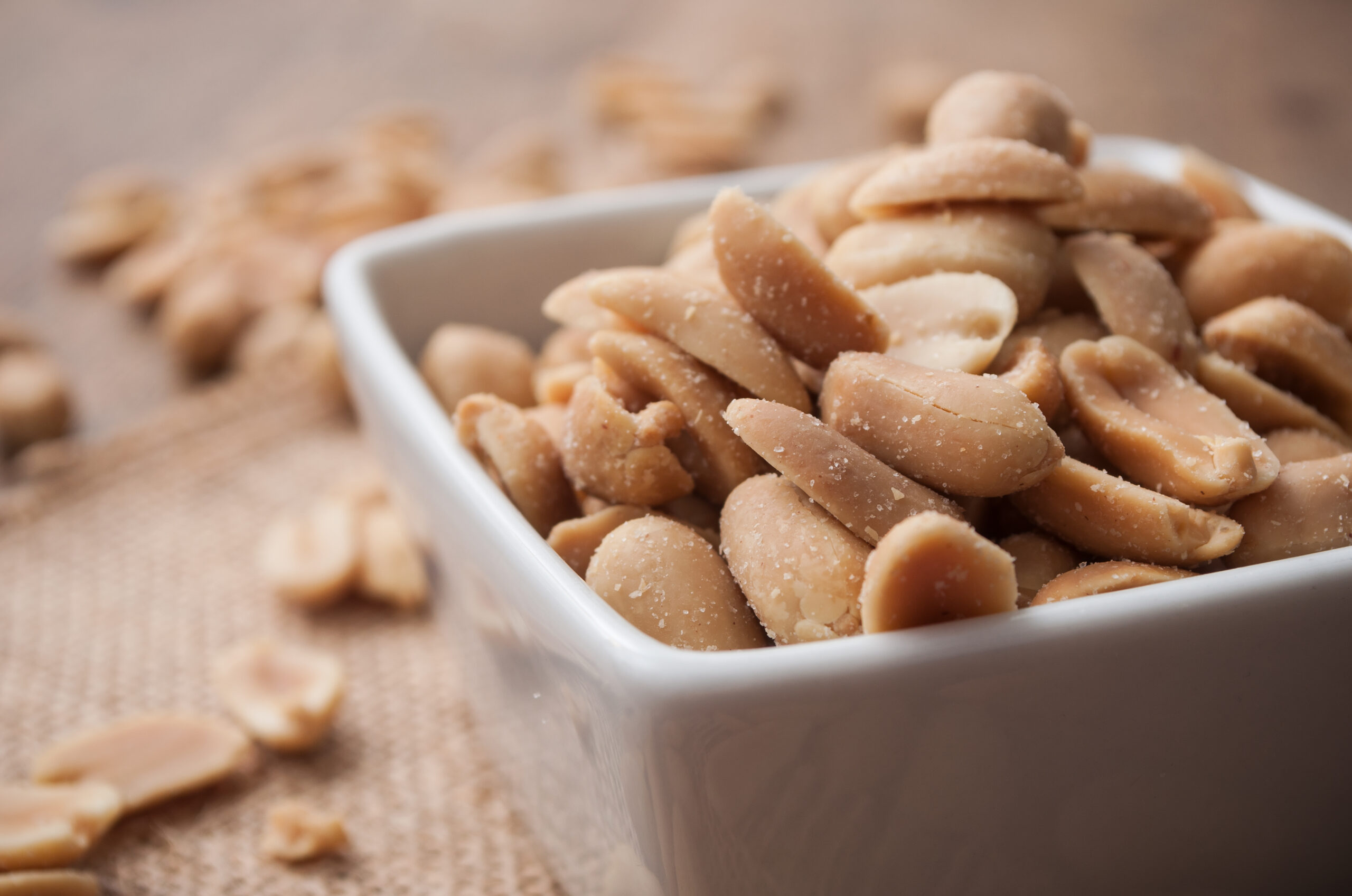
Yes. In a turnaround from previous recommendations, the National Institute of Allergy and Infectious Diseases advises introducing peanut-containing foods to infants, especially those with severe eczema or egg allergy, who are at highest risk of developing a peanut allergy (but not to those with documented peanut allergy). This may actually help them avoid a peanut allergy as they grow up because it creates an immune tolerance to the protein that triggers the allergic reactions.
The guidelines, which came out in 2017, state that peanut-containing foods should be added to a high-risk infant’s diet as early as four to six months, after other solid foods have been introduced. In March 2019, the American Academy of Pediatrics (AAP) released its own updated clinical report, citing evidence that “early introduction of infant-safe forms of peanuts reduces the risk for peanut allergies.” Earlier guidelines from AAP recommended that high-risk babies not have peanuts until age three.
The updated guidelines also recommend that infants with mild or moderate eczema (a lower-risk group) be given peanut-containing foods at around six months of age. Parents of infants who don’t have eczema or food allergies—and are thus at lowest risk—can introduce peanuts “freely” into their baby’s diet along with other solid foods “in accordance with family preferences and cultural values.”
The change in advice was based primarily on the findings of the Learning Early About Peanut Allergy (LEAP) study, which involved more than 600 infants, ages four to 11 months, considered to be at high risk for peanut allergy due to severe eczema or egg allergy. It found that even infants who showed some peanut sensitivity via a skin prick test were much less likely to develop a peanut allergy by age five if they were given peanut-containing foods early in life than if peanuts were withheld.
To be on the safe side, parents should talk to their pediatrician before introducing peanuts to find out if their baby needs allergy testing first. They should also know how to feed peanuts to their baby safely, since whole peanuts and peanut butter are choking hazards—it is better to mix peanut butter into puréed foods or thin it with water, for instance. Another good option is a puffed peanut snack called Bamba, which was developed in Israel several decades ago and was the primary peanut food used in the LEAP study.
How much to give? According to a clinical practice article in CMAJ (Canadian Medical Association Journal) in July 2019, infants between four and six months old should be fed 8 grams of peanut butter (1 heaped teaspoon) or 17 grams of peanut puffs at least twice a week. Instructions on how to feed peanuts to babies can be found here.