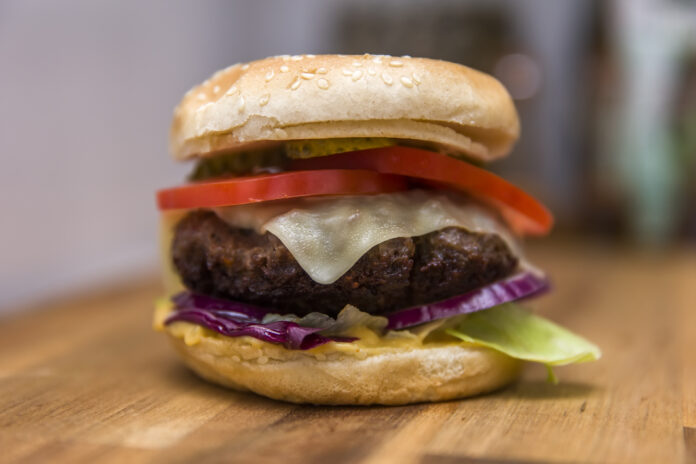
I don’t blame you if you were surprised—and frustrated—by another seeming flip flop in the world of nutrition science when research that seemed to exonerate red and processed meat came out in late 2019. Published as a series of studies in the Annals of Internal Medicine, the articles took me by surprise as well—until I took a closer look.
In a nutshell, investigators from seven countries pooled data from dozens of published studies involving millions of people that looked at the effects of meat on various health outcomes and mortality—and found no increased risk. The findings, they concluded, suggest that it is okay for adults to continue their current consumption of red and processed meat. In other words, all those decades of advice to eat less meat should be ignored.
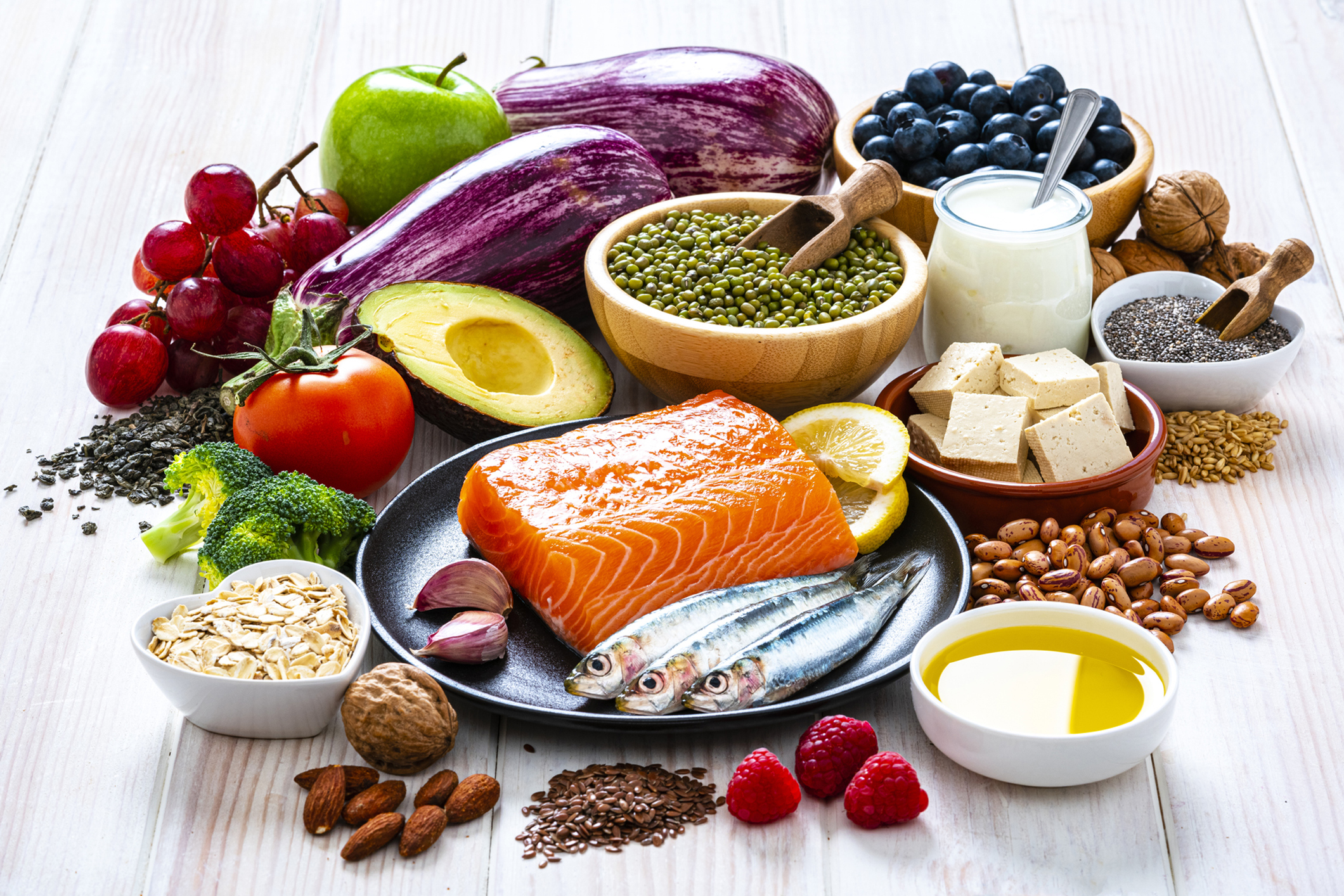
I have no problem with an occasional hamburger or steak dinner. But the findings didn’t change my opinion one bit about what a healthful diet looks like. Nor did they change the recommendations of such health authorities as the American Heart Association and the American Cancer Society. Plus, there are other good reasons to continue limiting meat intake: Compared to growing plant crops, meat production takes a much bigger toll on the environment in terms of carbon emissions, which contribute to global climate change, not to mention the ethical concerns of animal factory farming. Here are a few reasons why I’m not sold on the research:
- The studies included in the analyses didn’t capture the totality of evidence in favor of eating less meat and meat products. For the effect on heart disease risk, for instance, the researchers excluded a number of early intervention studies, basing their conclusion on a single trial that wasn’t designed to test the hypothesis that lowering consumption of red and processed meat has heart benefits.
- The analyses didn’t include a recent Harvard study of more than 80,000 people that used some of the same data but linked increases in meat consumption with higher mortality rates overall. Moreover, none of the studies looked at what people were eating in place of meat. Fish and beans (good substitutes)—or pizza and fries? Such answers would shed con siderable light on meat’s actual impact on health.
-
Putting the conclusions into further question, the researchers themselves called the evidence for their recommendation to keep eating meat at current levels to be of “low certainty.” According to the specific grading system used to determine which studies to include, that means that “the true effect [of meat] might be markedly different from the estimated effect.”
Also worth noting, the lead researcher has had ties to the meat and food industry that can reasonably be considered a red flag—though he did not report any conflicts of interest in the papers.* Technically, he didn’t have to because the journal’s disclosure form asks authors to report potential conflicts only if they occurred within the last three years. But just before then, the researcher received funding from the International Life Sciences Institute (ILSI), a thinly disguised food industry lobby group, for a study that ended up disagreeing with worldwide health guidelines advising people to eat less sugar. ILSI’s members include CocaCola, General Mills, and the Hershey Company, along with Cargill, one of the largest beef processors in North America.
BOTTOM LINE: I’m sticking with the abundance of evidence that links increased meat consumption with a higher risk of heart disease, certain types of cancer, and premature mortality, among other adverse effects—not the narrower body of evidence chosen for these analyses. As such, we will continue to advise our readers that, if they eat meat, it should still play a supporting role in their diet, not be the main player. You might even consider following the “planetary health diet,” which recommends a mere half-ounce of red meat a day, or one (3.5 ounce) serving a week, to help preserve resources for future generations.