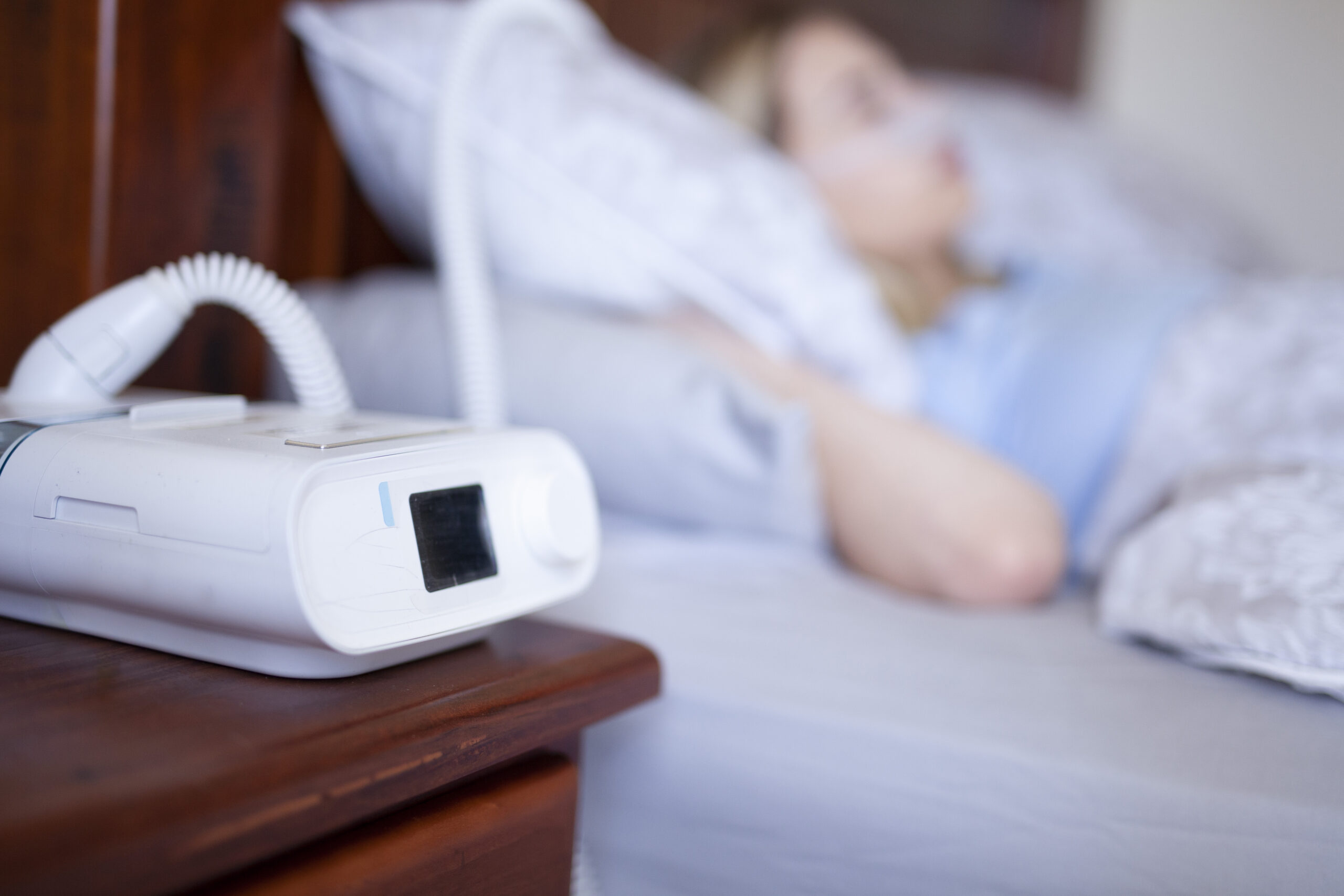
If you use a CPAP (continuous positive airway pressure) machine for obstructive sleep apnea, be sure to clean all its parts properly—but be wary of automated devices advertised to do this for you, the FDA has warned.
CPAP machines send a continuous stream of air through a hose and into a mask to help keep airways open during sleep. With use, bacteria, along with dust, allergens, and other contaminants, can build up in them, necessitating that they be cleaned regularly. So-called CPAP sanitizers or cleaners, sold in stores and all over the internet, claim that they kill “99% of germs and bacteria” (or make other similar promises), using either ozone gas or ultraviolet (UV) light.
But neither type of cleaning device has been approved or cleared by the FDA, which cites a lack of data that they are safe or effective or that they won’t damage the CPAP machine or expose users to harmful levels of ozone or UV light. In fact, there have been reports of asthma attacks, headaches, nasal irritation, and other adverse events related to the ozone-gas devices. And UV light could damage eyes, burn skin, and even increase skin cancer risk over time.
The best method for cleaning your CPAP machine is the one recommended in the instruction manual; generally, that involves soaking the detachable parts—the mask, tubing, and humidifier reservoir—in warm soapy water, followed by rinsing and air drying. Also important is to replace the filters (or rinse reusable ones) according to the recommended schedule.