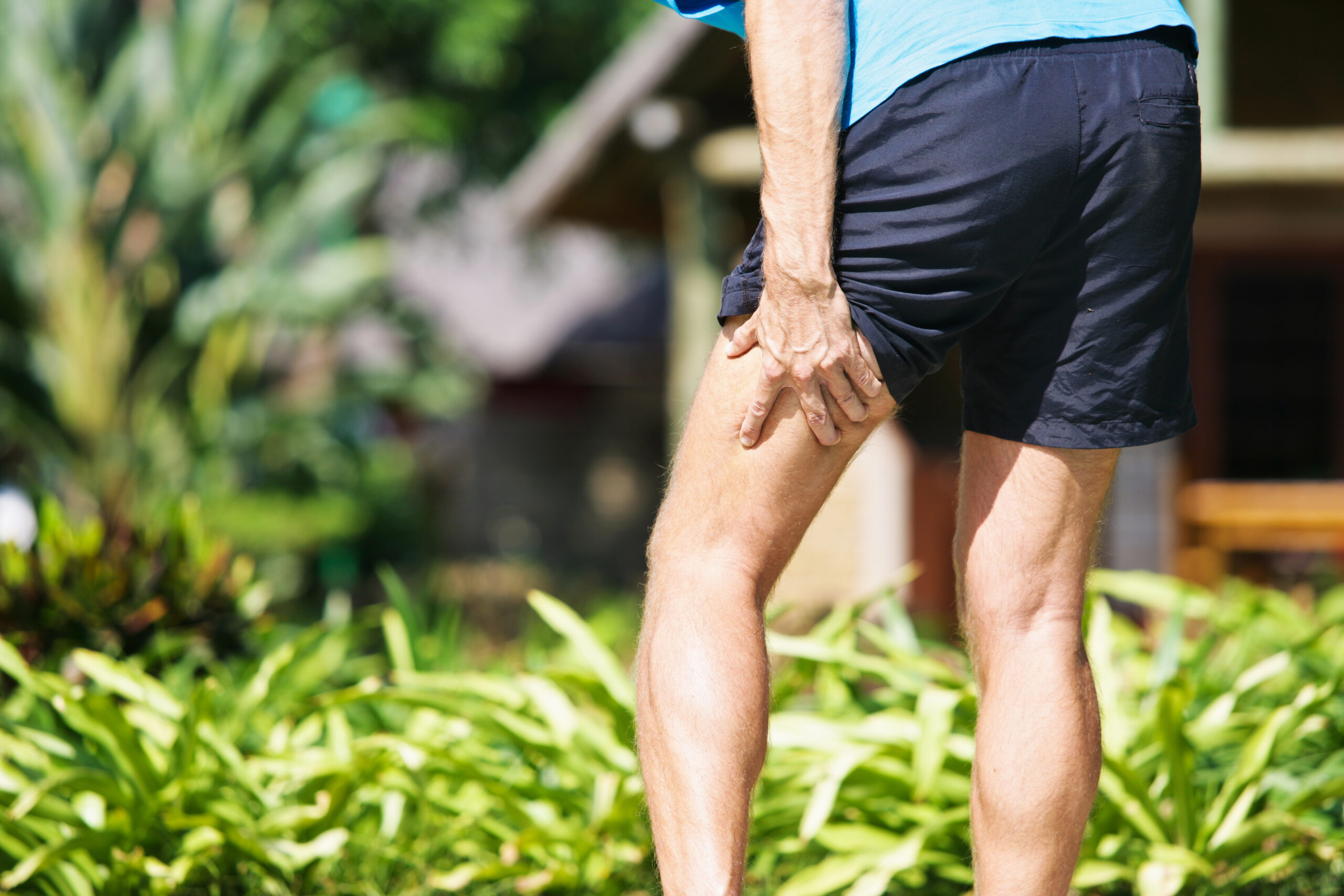
Passive stretching, commonly used in sports training and physical therapy—as well by anyone who just aims to feel looser—increases joint range of motion and flexibility. But preliminary research suggests that passive stretching of lower leg muscles may also improve the health of your arteries.
Also called static-passive or relaxed stretching, this type of stretching involves applying external force on muscles (from another body part such as a hand to hold a leg up; an accessory or apparatus, such as an elastic band, yoga strap, wall, or ground; a partner or physical therapist; or simply gravity). In contrast, active stretching involves holding muscles in a stretch position solely by contracting the opposing muscles.
Published in July 2020 in the Journal of Physiology, the Italian study included 39 healthy people, 27 of whom did a series of passive stretching exercises targeting the knee and ankle extensor muscles, five days a week for 12 weeks, for a total of 60 sessions. Each stretch was held for 45 seconds, separated by 15 seconds of relaxation, and done five times on one side of the body by one group, both sides by another group. A third group did not do any stretching.
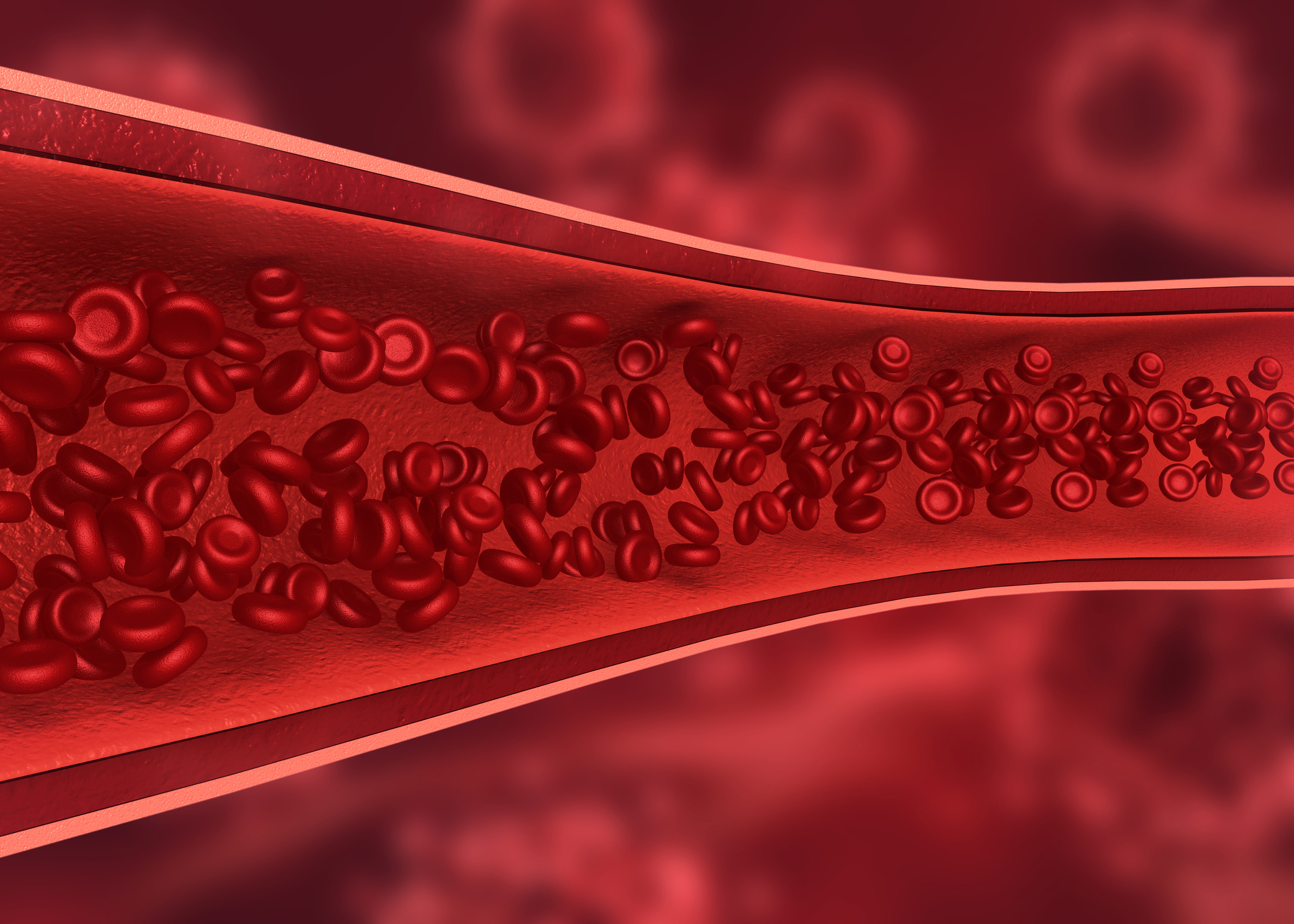
Compared to the no-stretching control group, participants in both passive stretching training groups showed improvements in vascular function (as indicated by increased dilation and blood flow in certain arteries), arterial stiffness, and blood pressure, with some effects lasting through six weeks of follow-up, suggesting that the activity had both local and systemic vascular effects.
As expected, the stretching also increased range of motion in knee and ankle joints. It’s speculated that the benefits might be due to effects on the sympathetic nervous system, including the release of endogenous vasoactive substances (which cause blood vessels to dilate and constrict), and also possibly due to remodeling of the arterial vessel walls directly.
The researchers concluded that passive stretching has “practical implications for its use as a novel non-pharmacological treatment for improving vascular health, reducing the overall cardiovascular risk, especially in individuals with limited mobility.” The study did not, however, address what happens in people with vascular disease, or whether the benefits last longer than six weeks after stopping the exercises; most likely, the stretching has to be continued over time to maintain the effects.
What to do: Aside from working with a physical therapist, you can do passive stretching at home on your own or with the help of a partner. Start slowly, and don’t stretch a muscle that has been injured without getting medical advice first. The American Council on Exercise provides an exercise database and guidance on stretching techniques.