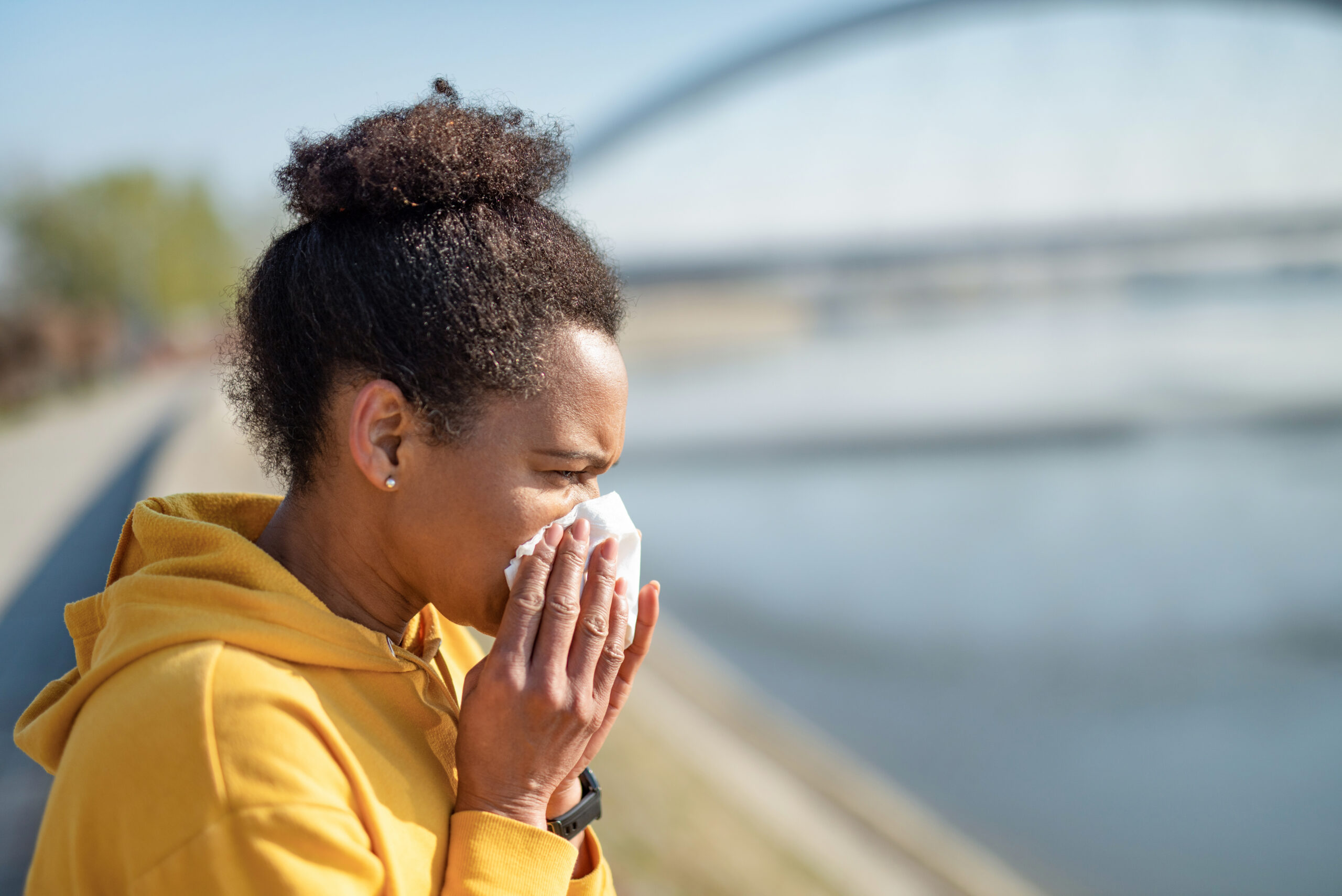

With all the focus lately on a vaccine against the coronavirus that causes Covid-19, many people have asked me why there’s still no vaccine for the common cold. After all, this age-old illness is caused by several coronaviruses, among other organisms.
It’s a reasonable question. Coronaviruses are a large family of viruses that are responsible for everything from colds to serious diseases with high rates of mortality such as SARS (Severe Acute Respiratory Syndrome) and MERS (Middle East Respiratory Syndrome). They are called coronaviruses because, when they are examined under an electron microscope, they all have a halo, or “crown” (a corona, in Latin), of spiky proteins on their surface.
About one-third of common colds are due to coronaviruses, primarily four human coronaviruses that were discovered decades ago. (None is the same as the novel coronavirus that causes Covid-19.) The remaining two-thirds of colds are caused by other organisms—mainly rhinoviruses, which are structurally different from coronaviruses. Researchers have been working on a vaccine for rhinoviruses for decades, and studies are still ongoing. But for a variety of reasons, it has been extremely difficult to find a vaccine that induces immunity—that is, produces effective antibodies—to this family of viruses.
The body does, however, produce vaccine-induced antibodies to some of the coronaviruses that cause the common cold, as discovered in a few small trials of a potential vaccine in the late 1960s. But when the inoculated volunteers were re-exposed to the virus they had been vaccinated against, most became ill. In other words, though antibodies were produced, they were not fully protective. Researchers later learned that even natural immunity to coronaviruses that cause the common cold—the immunity you get from having been infected—was short-lived, lasting only one to three years. That’s very different from, say, measles, which you are highly unlikely to get again once you’ve had it.
Scientists have succeeded in developing several vaccines for SARS-CoV-2, the virus that causes Covid-19. This is the first coronavirus that we have an effective vaccine for, with protection against hospitalization and death lasting at least 10 to 12 months. Given what we know about immunity to other coronaviruses, we may have to think of the Covid-19 vaccine more like the flu shot that you need to get annually and less like the measles shot, which confers lifelong immunity.
The development of the Covid-19 vaccines might also open the door to eventually developing a vaccine to protect against colds and other illnesses caused by coronaviruses. We’ve never had this kind of focused effort by so many minds on one topic before, nor have we had such widespread cooperation among scientists and research institutions in a long, long time.
Of course, colds, though certainly unpleasant, are not Covid-19 or SARS. Even the worst ones are generally not life-threatening, and serious complications are rare, especially in healthy individuals. Some people might not be willing to get a shot every year or two that protects against only one of several possible causes of an illness they’ve had many times before and know how to deal with when it happens. Pharmaceutical companies know this, and it’s likely that they will remain focused mainly on developing vaccines for more serious illnesses.
The good news is that the steps that have been recommended by public health experts for eons to prevent infection, and that are now second nature to many of us—like handwashing, using hand sanitizers when water and soap aren’t available, not touching your face, keeping your distance from other people, especially when you are indoors, and wearing a mask when warranted—will also protect you against colds. Even when Covid-19 finally wanes, good old-fashioned prevention is nothing to sneeze at.