Few food-policy debates in recent years have been as rancorous as that over genetically modified organisms (GMOs)—also known as GM or GMO foods, genetically engineered (GE) foods, or “bioengineered” foods. Critics have another term for them: “Frankenfoods.”
Unless you buy only organic products or those verified by the Non-GMO Project (more on these below), you’ve almost certainly eaten GMO foods, which have become an integral part of the U.S. food supply. Yet many Americans remain unaware of how prevalent they are: The most recent Pew Research Center survey, from October 2019, found that among 3,627 participants, 71 percent had read or heard little or no information about genetically modified foods, while 29 percent said they had read or heard a lot. At the same time, concerns about the health effects of GMOs are relatively widespread, the same survey found: Half of respondents believed these foods are worse for health than non-modified foods.
And in a 2018 survey by a market-research group, 46 percent of respondents said they avoid foods with GMOs, up from 33 percent in 2014 and 15 percent in 2007. The top reason cited was health concerns.
Are genetically modified foods safe to eat? Do they pose risks to the environment? And is it even possible to tell which foods contain them? Here’s a primer to get you up to speed.
What are GMOs? Which foods are most likely to contain them?
Most commonly, GMOs are plants that have been genetically altered in order to take on specific characteristics. Rather than combining whole plant varieties (as is done in conventional crossbreeding) or using chemicals or radiation to create mutations (called mutation breeding or variation breeding), genetic engineering isolates a gene for a desired trait in a plant and then implants it via a laboratory procedure. For example, scientists might insert genes from one plant into an unrelated plant to help that plant develop a resistance to insects or herbicides. Genetic modifications can also increase a plant’s nutrients or its yield.
Which foods are most likely to contain them?
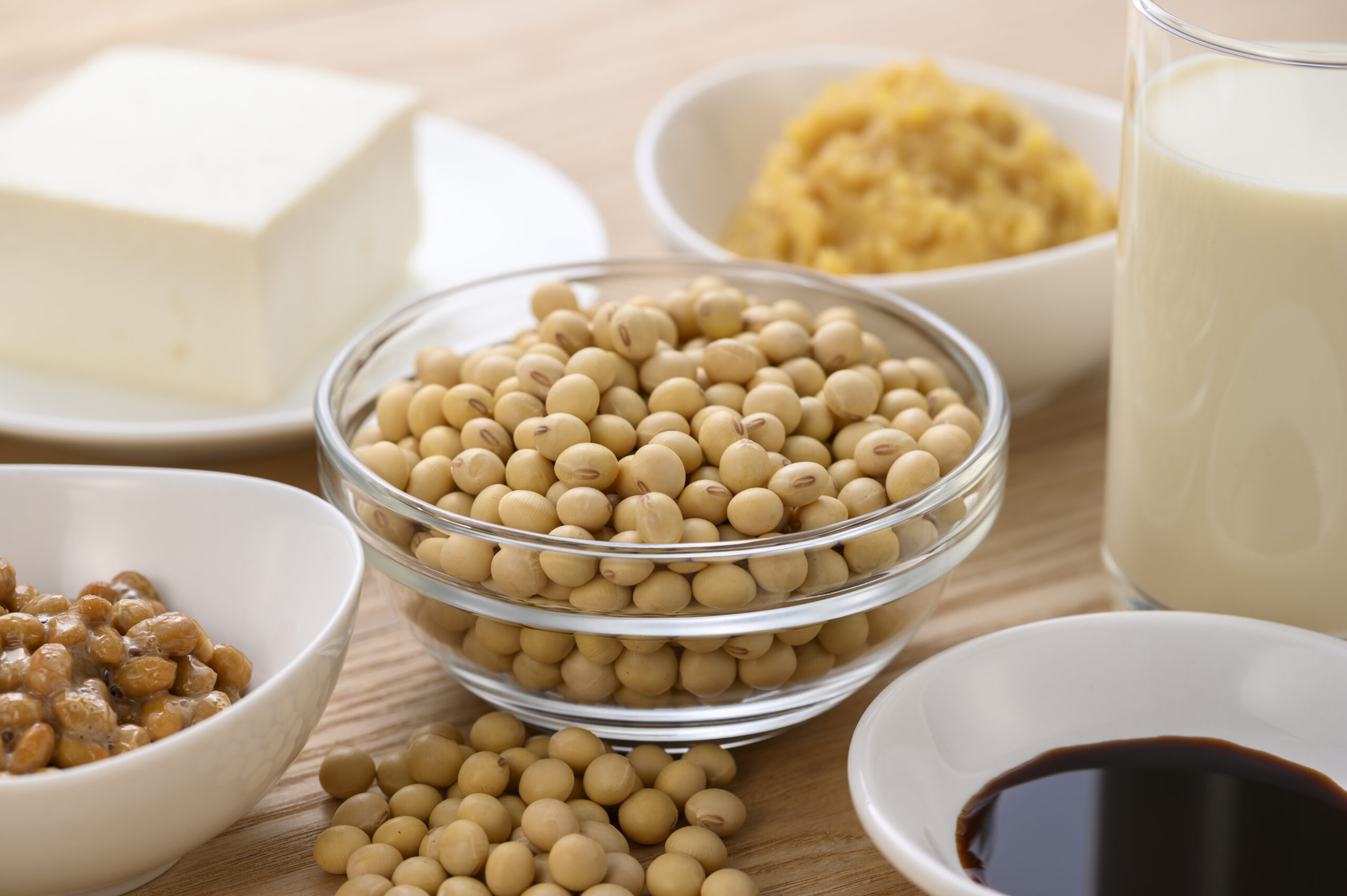
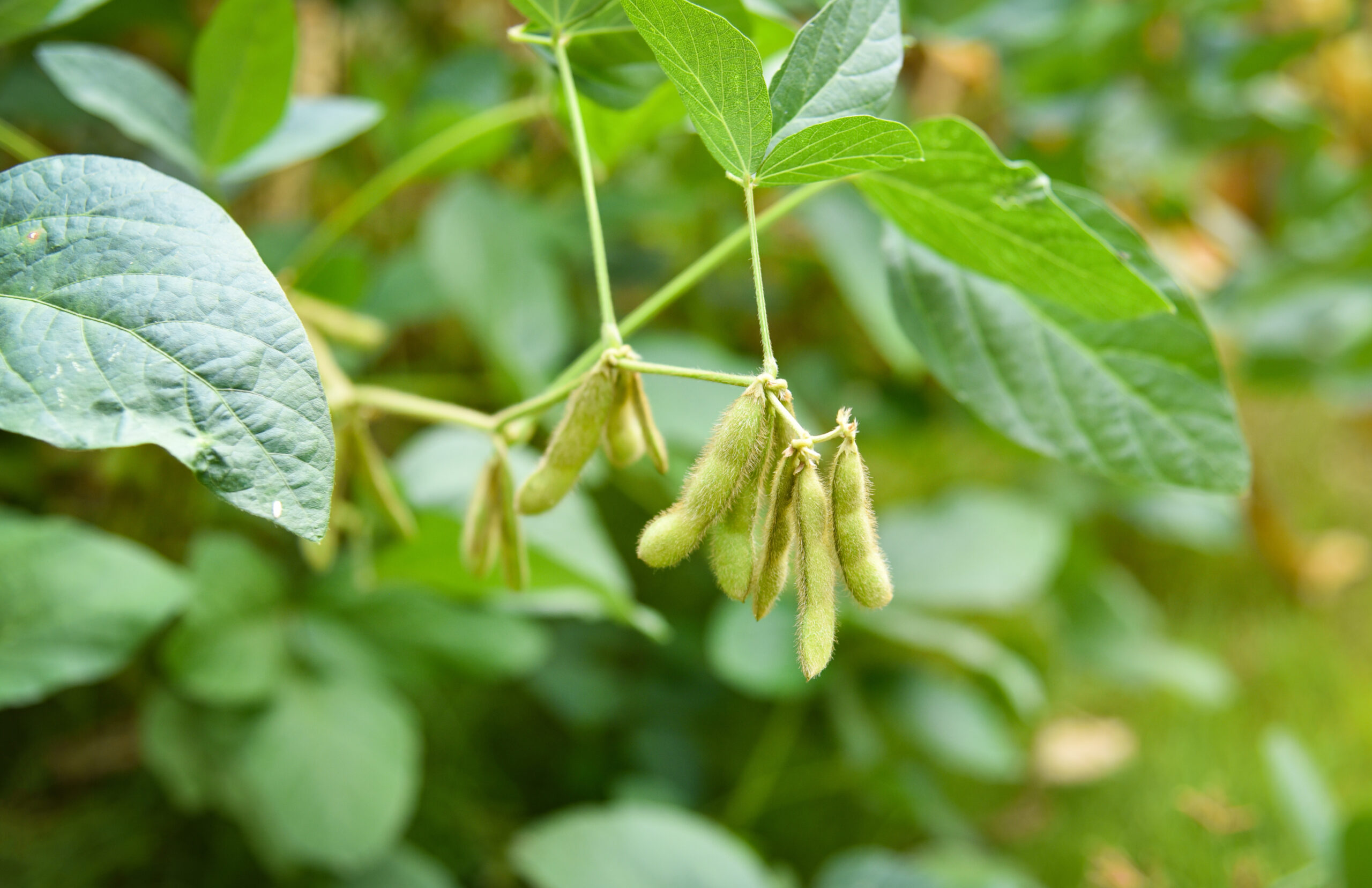
Corn and soybeans, America’s two largest commodity crops, are among the most commonly modified food plants; more than 90 percent of the corn and soybeans grown in the U.S. today are genetically modified, along with the vast majority of sugar beets (used primarily to make sugar) and canola oil crops. There are also GMO varieties of apples (engineered to resist browning), papayas, alfalfa, pineapple, eggplants, potatoes, and squash. The first non-plant GMO invention, a farmed Atlantic salmon modified to grow more quickly than normal, was approved a few years ago by the FDA for production in the U.S., with the first shipments just beginning to head to markets now after pandemic delays.
But the greatest source of GMOs for most people is processed foods—especially those containing corn syrup, cornstarch, soybean oil, or added sugars, all of which overwhelmingly come from GMO crops.
How long have GMOs been around?
Proponents would say forever, in a sense. Humans have been manipulating the traits of plants (and animals) for millennia, primarily through interbreeding, also called hybridizing. Modern corn (maize), for example, was developed from a wild grass called teosinte whose handful of kernels, locked in a stone-hard casing, hardly invited eating. Ancient “genetic engineers” eventually produced a more edible variant.
But only in the past several decades have scientists become able to modify organisms on the genetic level, targeting specific DNA-driven characteristics such as size, growth rate, and resistance to spoilage. Advocates of genetic engineering contend that this is simply a more precise method of hybridizing. You may remember the first genetically modified food to hit the market in the U.S., the Flavr Savr tomato, introduced in 1994. It was engineered to block an enzyme that softens regular tomatoes. (Despite its better shelf life, Flavr Savr otherwise was a flop and was discontinued after three years.)
Are GMO foods safe to eat?
There’s no reason to believe they aren’t. Foods from genetically engineered plants must meet the same safety standards as those from conventional crops. And unlike other foods, many GMO products undergo testing and nutritional assessment by the FDA before being marketed, though this program is voluntary. As of 2020, the FDA has completed consultations on more than 180 genetically engineered plant varieties, the agency says. According to the FDA, the GMO foods it has tested are similar in nutrients to conventionally grown foods and are no likelier to cause allergic or toxic reactions.
In 2016, the National Academies of Sciences, Engineering, and Medicine commissioned a panel of 20 experts to evaluate the totality of the evidence on the potential benefits and harms of GMOs. In the resulting 600-page report, which was based on a review of more than 900 studies, the committee concluded that differences in nutrient and chemical composition between GMO and non-GMO plants fall within the range of naturally occurring variation found in currently available non-GMO crops. In fact, most naturally occurring variations within a given plant are larger than those between GMO and non-GMO versions of the plant, due to genetics and environment.
The experts also found no evidence that consuming GMOs increased the risk of cancer, obesity, diabetes, kidney disease, autism, food allergies, or celiac disease. This was based largely on a comparison of trends in the incidence of these conditions between the U.S. and Canada (where GMO foods became widespread over the 20 years preceding the report) and the U.K. and Western Europe (where use is restricted).
The World Health Organization (WHO), American Medical Association (AMA), European Food Safety Authority, Health Canada, and many other international scientific authorities have similarly concluded that consuming foods containing GMO ingredients poses no greater risk to human health than eating the same foods from conventionally grown crops. The AMA, however, has called for the safety approval process before such foods hit the market—currently voluntary—to be made mandatory. And a vocal minority of scientists still remains dubious about the safety of GMOs.
Aren’t there specific concerns about the herbicide glyphosate?
Yes. The weed-killing ingredient glyphosate is sold under the brand name Roundup. Many GMO corn and soybean seeds are engineered to withstand glyphosate, which allows farmers to spray this herbicide liberally without fear of harming their crops. Quite controversially, chemical giant Monsanto (now owned by Bayer) makes both Roundup and the “Roundup Ready” seeds designed to withstand it.
In a 2015 report, the WHO’s International Agency for Research on Cancer declared glyphosate “probably carcinogenic to humans,” a finding that Monsanto strongly contested, citing decades of studies showing Roundup and glyphosate are safe for human use. Bayer is currently in mediation to potentially settle thousands of lawsuits in the U.S. involving more than 42,000 plaintiffs, claiming that Roundup causes cancer—specifically non-Hodgkin’s lymphoma.
A statement from the EPA in January 2020 asserted that the chemical poses “no risks of concern to human health” when used according to the label and that “it is not a carcinogen.” Nevertheless, several countries around the world, including Australia and Germany, have banned the use of glyphosate.
What about environmental and other (social, economic) effects?
Other potential adverse effects of genetic modification cited by critics include a decrease in biodiversity as industrial farms around the world rely on a small number of “super-crops.” This could lead to food shortages if, say, a virus were to wipe out an entire super-crop one year, since there would be fewer alternative crops to rely on. Plants engineered to resist certain insects might also have an adverse effect on insects that aren’t pests, such as butterflies and honeybees.
Another possible risk is that genes from modified crops can transfer to their wild relatives or to harmful wild plants such as invasive weeds. Respectively, this could disrupt the ecosystem (by permanently altering wild plants) or make dangerous weeds more resistant to herbicides or insects that would normally prey on them. The EPA has largely discounted these concerns.
Still another fear is that the growth of GMOs is contributing to a concentration of economic power in agribusiness, specifically in the hands of Bayer, whose genetically engineered seeds produce 90 percent of GMO crops. This has given the company what some critics view as an undesirable level of control of seed markets.
In a 2017 book, Food Fight: GMOs and the Future of the American Diet, environmental journalist McKay Jenkins raises another issue: He argues that GMOs have simply enabled the industrial-agriculture system to become even bigger and more efficient at producing the sorts of foods most of us should be eating less, not more, of. As mentioned earlier, most GMO crops are destined for use as ingredients in processed foods, which are typically high in calories, added sugar, saturated fat, and sodium—the same foods implicated in the global obesity epidemic.
On the other hand, some prominent proponents argue that GMO foods could play an important role in solving global hunger, since they allow for the production of more food using less land as well as the creation of foods that are particularly rich in certain nutrients. In addition, seeds might be genetically engineered to withstand the effects of climate change, such as periods of intense heat, that threaten world food supplies.
In reality, however, the humanitarian promise of GMOs remains largely unrealized and, for now at least, serves mostly as an attractive marketing angle for food manufacturers.
How can I tell whether a food contains GMOs?
Often you can’t. There is no current mandatory GMO labeling law in the U.S., though makers of certain genetically engineered foods will be required (per a 2018 USDA ruling) to disclose this information to consumers starting in 2022. But the law has been criticized as largely symbolic: For one thing, it doesn’t require the presence of GMOs to be noted on the product package itself, allowing companies instead to provide the information electronically (for example, via a QR code or a phone number or website for consumers to learn more). And companies that disclose the presence of GMOs on the package will be required only to use the term “bioengineered”—not “GMO,” “genetically engineered,” or “genetically modified.” In contrast, more than 60 countries around the world require on-package GMO labeling, including most European nations, China, Russia, Japan, and Australia.
Perhaps most important, the USDA labeling rule exempts GMO ingredients that undergo processing, which leaves out a huge swath of products—for example, soft drinks made with corn syrup that comes from genetically engineered corn, and processed foods that contain genetically engineered soybean, canola, or corn oil. But a number of large food companies, such as Campbell’s, Mars, Kellogg’s, Coca-Cola, and Unilever, have opted (and already begun) to voluntarily disclose all GMOs in their products, not just those required by the USDA—and are doing so on the actual packages.
The USDA’s ruling was opposed by several groups—including Consumer Reports, the Center for Science in the Public Interest, the Environmental Working Group (EWG), and even one food-industry group—that had advocated for clearer terminology, mandatory on-package labeling, and the inclusion of highly processed foods.
If I want to avoid GMOs, how can I?
The simplest, though not necessarily the most economical, way is to buy certified organic foods, which by definition contain no genetically altered ingredients. That said, some organic farmers in recent years have reported “unintended GMO presence” in their crops, likely contaminated by wind- borne seeds that blow in from non-organic neighboring farms. You can also look for foods that carry the Non-GMO Project Verified seal, which is found on thousands of products from more than 1,500 brands. In addition, the group has a searchable database of verified products. The EWG’s Food Scores Database similarly allows you to search for products that are certified organic and therefore non-GMO.
Of course, since GMOs are mainly used as ingredients in processed foods, a surefire way to limit your exposure to them is to choose more whole foods and cook meals from scratch rather than opening a package. That’s good advice to heed in general—regardless of what you think about GMOs.