If you’ve ever read the side effect warnings on statin medication, it may have given you pause. The many potential risks can sound a lot worse than having high cholesterol.
A recent study, however, reached some reassuring conclusions: Most of the side effects attributed to statins—from cognitive impairment, to depression, to organ damage—may not be caused by the medications at all. And while statins do have some side effects, they occur infrequently, meaning the potential benefits of the medications heavily outweigh the risks.
The study, published in The Lancet medical journal, analyzed data from 19 clinical trials involving nearly 124,000 people who were randomly assigned to take statin therapy or a placebo—or, in a smaller number of studies, were assigned a high-intensity or low-intensity statin regimen. Researchers looked for evidence that statin use increased the risk of 66 side effects that have been attributed to the drugs. The verdict? Only four of the 66 could be statistically linked to statin therapy, and the average risk of developing any of them was quite low (about a 1 percent chance per year, at most).
Clear benefits, uncertain harms
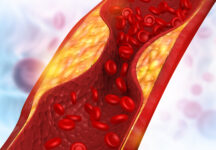
Statins are among the most widely used, and best studied, medications we have, and some things are certain. Statins can help prevent heart attacks and strokes in people at increased risk, especially in those who have already suffered one or have known atherosclerosis (“clogged arteries”).
Looking at that latter group, for every 10,000 people who use a statin for five years, about 1,000 will be spared a “major cardiovascular event” (including a heart attack, stroke, or death from cardiovascular disease). The benefit is less, but still substantial, for those who take statins to prevent a first-time cardiovascular event (500 prevented for every 10,000 who use a statin for five years).
Like all medications, statins can still have some side effects. The main established ones are a small risk of muscle symptoms, including weakness and cramps (about one case per 10,000 people each year), and a modest increase in the likelihood of developing type 2 diabetes (primarily in people who already have elevated blood sugar). In rare cases, statin users can develop severe muscle breakdown, called rhabdomyolosis.
But when it comes to the dozens of other side effects that have been tied to statins, the evidence has always been tenuous. It comes largely from two sources: reports to the FDA (or regulators in other countries) describing symptoms that some people developed after starting statins; and observational studies comparing statin users to non-users.
Together, those data have suggested that people who use statins may have higher rates of a host of health issues—including memory loss, sleep disturbances, depression, liver and kidney injury, peripheral neuropathy (nerve damage in the hands or feet), and sexual dysfunction.
The problem is, that kind of data doesn’t prove that statins, themselves, are to blame. There could be many reasons that people who are prescribed statins have higher rates of certain health conditions than people who are not on the medications.
A fresh look at the evidence
For The Lancet report, researchers pulled together data from controlled clinical trials, where participants were randomly assigned to take either a statin or a placebo and then tracked over time. Each trial involved at least 1,000 people, typically followed for 4.5 years.
The researchers dug for evidence that statin use increased the risk of any of 66 purported side effects that have been attributed to the medications (not including the established risks of muscle symptoms and diabetes). And they found support for only four: elevated liver enzymes, certain other liver test abnormalities, changes in urine composition, and edema (swelling).
In all of those cases, the absolute risks were low, and it’s unclear whether the urinary changes or swelling have any significant impact on people’s overall health or well-being.
Swelling was the most common side effect, occurring in 1.4 percent of statin users per year—barely higher than the rate among placebo users, at 1.3 percent. Each of the other side effects were rare, affecting about 0.2 to 0.3 percent of statin users per year.
If clinical trials turned up such low rates of side effects, why do statins carry all those warnings? An editorial published with the study blames “evidentiary imbalance.” That is, rigorous clinical trials are required to show that a prescription medication is effective, but side effect warnings are often added to product labels based on much weaker evidence. And once they are added, they may not undergo “systematic reappraisal” by regulators.
In the case of statins, it appears that labels may be overstating the real risks and may need updating.
The takeaway. The decision whether to start or continue taking a medication is always personal. But on balance, the potential benefits of statin use are likely to far outweigh the risk of side effects. If you’ve recently been prescribed a statin and develop new symptoms that you think could be caused by the medication, like muscle pain, talk to your doctor. They might suggest a statin holiday to see if the symptoms are truly caused by the medication. If that’s the case, switching to a different statin (or other cholesterol-lowering drug) or reducing your current dose might alleviate the problem.