How frequently should you wash your hair? Sometimes I go a week or longer because of the hassle—and the distressing amount of hair I shed during the process.
There’s no one-size-fits-all rule. Rather, it depends on many variables, including the type of hair (straight or curly, coarse or fine, or frizzy) and scalp (dry or oily) you have, how much you sweat, how “dirty” your hair gets in the environment you work in, whether you use hair products like styling gel, or if you have a dermatological condition that affects your scalp such as seborrheic dermatitis (what’s called “dandruff” when the condition is mild and restricted to the scalp).
Generally, shampooing frequency could range from daily (if you have straight hair and an oily scalp, for instance) to once a week or even longer (if you have dry, curly, or thick hair), according to the American Academy of Dermatology. Straight hair tends to get greasy faster than curly hair because oils from the scalp (sebum) spread more readily down each strand, making buildup more noticeable.
The case for more frequent shampooing: Whether you have an oily or dry scalp, not washing your hair often enough may contribute to itchy dandruff because it can allow oil, sweat, and dead skin cells to accumulate on the scalp, creating conditions that may make flaking more likely. In some people, this may also contribute to an overgrowth of a type of yeast (Malassezia) that naturally lives on the scalp and feeds on sebum, which may irritate the scalp and worsen flaking.
Dandruff is not solely a hygiene issue, but it’s often associated with an oily scalp, so washing often enough—such as every other day with a gentle anti-dandruff shampoo—can help keep buildup in check and reduce symptoms. But scalp flaking can also result from dryness caused by irritation and moisture loss rather than dandruff itself; in those cases, washing too often may make matters worse. A less-frequent washing routine (around two to three times a week with a mild shampoo) may be more appropriate.
A paper in 2021 reported on two studies, both from China, related to hair-washing frequency in healthy people. In the observational study, the investigators categorized 1,500 participants by how often they washed their hair each week: once or fewer; twice; three to four times; five to six times; or every day. Based on self-reports from the participants as well as the researchers evaluating scalp flaking using a particular assessment tool, more frequent hair washing (five to six times a week) was associated with the best results in terms of hair and scalp conditions, including fewer reports of dandruff.
The second study was a five-week controlled trial involving 60 people who normally washed their hair no more than twice a week. For the first part of this study, the participants washed their hair at the start and not again for a week. For the second part, they washed their hair every day for a month. By both objective reports (based on investigator examination) and subjective reports, daily washing was deemed best in terms of hair and scalp conditions.
Keep in mind, however, that because the studies were conducted in Asian populations, the findings may not fully generalize to people with different hair and scalp characteristics.
As for hair shedding, we didn’t find any published evidence that regular shampooing causes or accelerates hair loss. Hair naturally sheds as part of its growth cycle, especially when it enters what’s called the telogen (resting) phase. The hairs you find in the drain or brush after you wash your hair are mostly telogen hairs that were already in the natural shedding phase and were going to fall out soon anyway, regardless of how often you shampoo. Washing just helps release them. In fact, longer gaps between washing can make shedding appear more dramatic because loose hairs accumulate on the scalp and become trapped among other hairs over time, then are released all at once during washing or brushing.
The American Hair Loss Association cautions that hair-washing neglect may even accelerate hair follicle shrinkage and progression of androgenetic alopecia, the most common type of hair loss.
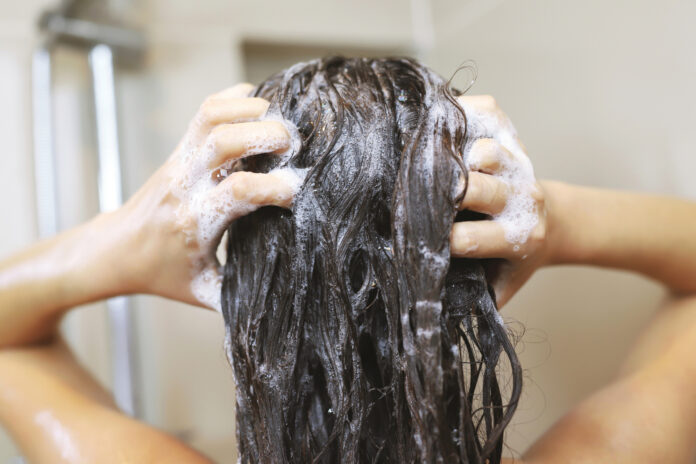
Some tips: When shampooing, focus on your scalp (not just your hair) to wash away excess oil buildup along with dead skin cells that accumulate. While sebum is a natural hair conditioner, applying a commercial conditioner can make hair easier to comb, adds shine and volume, and moisturizes hair that’s been dyed, straightened, or permed. Using a small amount of a “leave-in” conditioner may be especially helpful if you have frizzy, curly, or very dry hair from processing.
The bottom line is … that there is no bottom-line answer as to how often you should shampoo. But if you are experiencing bothersome dandruff or scalp irritation, consider a visit to a dermatologist rather than trying to self-treat. There are so many medicated shampoos on the market, and frequent washing with one can leave your scalp drier and flakier; some dermatologists advise against using them daily. Your doctor should be able to suggest a product best suited to your condition and guide you on how often you should wash your hair.