
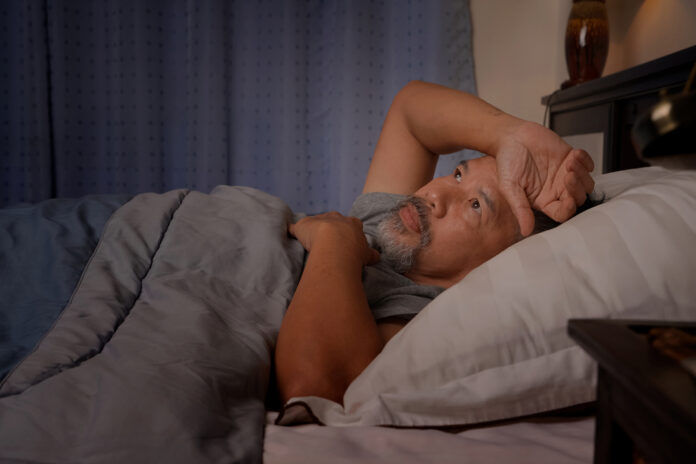
Why do I sometimes feel my heart beating when I’m in bed? Should I be concerned?
Noticing your heartbeat when you lie down can be unsettling, but this is not uncommon and is usually temporary—although sometimes the sensation may last not just seconds or minutes but even hours. You may feel your heart racing or pounding or notice irregular or skipped heartbeats—what doctors call palpitations. Bear in mind, however, that palpitations are a symptom, not a diagnosis, and are typically harmless. By themselves, palpitations do not mean you are having a heart attack, for instance.
There are several reasons why this may occur. For one, you may be more aware of your normal body sensations—including your heartbeat—simply because there are fewer distractions when you are lying quietly in bed at night.
Changes in the autonomic nervous system may also be a factor. During sleep, activity of the vagus nerve increases, slowing the heart rate. In some people, increased vagal tone may make certain rhythm disturbances, such as occasional premature beats or, in susceptible individuals, episodes of atrial fibrillation, more likely to occur or become more noticeable. At other points during sleep, brief surges of adrenaline can also trigger palpitations.
Then there is the influence of the circadian clock. Heart muscle cells follow natural circadian rhythms, and the heart’s electrical system varies over the 24-hour cycle, which may make some rhythm disturbances more likely at certain times.
Other factors can come into play as well. Sleep apnea is often an underdiagnosed contributor to nighttime palpitations. Studies have found that people with sleep-disordered breathing have significantly higher rates of abnormal heart rhythms than those without it.
Lying flat on your back can worsen acid reflux, which may make palpitations more noticeable or occasionally trigger them in some people, while lying on your left side can make heartbeats feel more pronounced because of the heart’s position within the chest.
Caffeine and nicotine can trigger extra heartbeats that may become more noticeable when you’re resting quietly. Alcohol too: As alcohol is metabolized, especially after heavier drinking, the body may respond with increased sympathetic (“fight-or-flight”) activity. In susceptible people, this shift—together with a naturally slower heart rate that occurs during sleep—can trigger heart palpitations or episodes of atrial fibrillation.
Nighttime panic attacks can also trigger a surge of adrenaline that may cause heart palpitations; studies show that anxiety, panic disorder, and other mental health conditions account for or contribute to symptoms in roughly one-third of people who seek medical care for palpitations. An overactive thyroid, electrolyte imbalances (particularly low potassium or low magnesium), and hormonal changes after menopause can all contribute to heart palpitations. Dehydration can lower blood volume slightly and contribute as well.
What to do: Minimizing contributing factors can lessen palpitations. Separate big meals from your bedtime by at least two hours; limit caffeine to the morning or early afternoon; find ways to manage stress and anxiety; stay well hydrated; avoid nicotine; and address any underlying medical conditions.
If the palpitations are frequent, prolonged, or occur along with chest pain, shortness of breath, dizziness, or fainting, you should seek medical evaluation. Your doctor will assess you for warning signs such as fainting or a family history of sudden cardiac death, and will check for signs of heart disease. An ECG and basic lab work are typical first steps. If an arrhythmia is suspected, ambulatory heart monitoring, typically for one to two weeks, can often provide a diagnosis. For people with obesity, hypertension, or loud, regular snoring, a sleep study to look for obstructive sleep apnea is important.