
Many of us feel a sense of accomplishment in acquiring possessions—the furniture, books, music, and art that make our homes inviting and comfortable; wardrobes that keep us well-clothed and shod; items that support our hobbies and interests. But as we get older, it can be surprisingly satisfying to let go of things, creating a freer, more relaxing home.
I was reminded of this recently when I came across an obituary in the New York Times for Margareta Magnusson, the author of The Gentle Art of Swedish Death Cleaning: How to Free Yourself and Your Family From a Lifetime of Clutter.
The book, and the many versions it inspired, describes a practice of organizing and decluttering your home to spare others the burden of doing so when you’re gone. The core question at the heart of this process is, “Will this item benefit anyone after I die?” As someone who has had to spend weeks or months sorting through a deceased person’s accumulations can attest, paring your possessions down to essential and cherished items is a meaningful gift—and relief—for your loved ones.
But death cleaning is not just a gift for others. It gives you a chance to take inventory of the items in your home, to remember how they came to you, to reflect on whether the significance or use they had then is still relevant, and if not, to let them go. This can be a meaningful exercise in itself; it has the added benefit of creating a simpler environment. There is less to maintain, everyday housekeeping is easier, and the items you keep are ones that make you happy.
Even before “Swedish death cleaning” entered the lexicon, I often talked with my older patients about what they could do now to make it easier on the loved ones who would be taking care of their home after they died. This was usually an easy conversation; they had already been thinking about it and welcomed the spur to action.
Here are some tips I learned from talking with my patients: Bring the topic up carefully and gently. Begin, say, by asking if there are steps they can take now to make things less daunting later. For example, they might identify specific items that would be of interest to one or another relative—or find local charity shops and other possible destinations for items that no one wants or has room for.
What about if you’re fortunate to still have your parents and they are getting on in years? If it looks like they haven’t given much (or any) thought to what will happen to their possessions, it might be time to bring up the subject. This can feel awkward, but they may be more receptive to the idea than you’d expect.
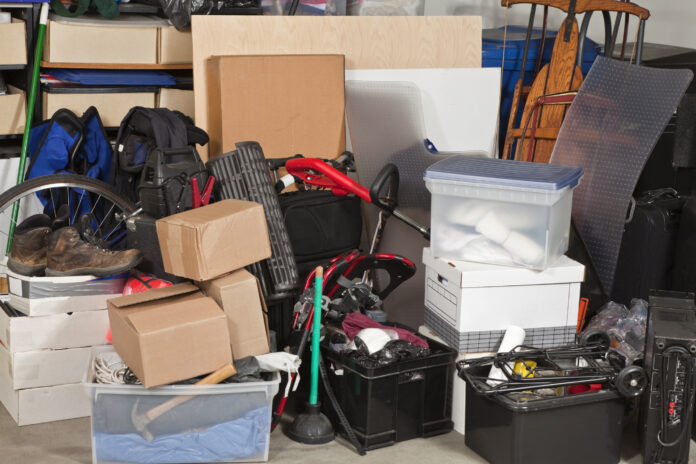
There are many ways to approach the actual task of decluttering. One is to start by marking the items you intend to keep with a green sticker and those you may wish to discard with a red sticker. Another is to dedicate bins of items to sell, donate, discard, or revisit. You may want to start with closets, donating or throwing away items that no longer fit or are beyond repair (shoes included). Don’t overlook attics, basements, garages, and sheds, which often contain items that are long past their prime and will not be missed.
It gets more difficult once you’re down to valuable and sentimental items. Ask your children, grandkids, or friends to identify items they might want after you’re gone. If they’re not interested, find other potential recipients, such as local art sellers and purveyors of vintage and gently used furniture and clothing. If you have a collection of cards and letters that you like to revisit but that would mean nothing to anyone but you, keep them in a box labeled “throw away.” If someone has the time and interest to read through them after you die, they can do so.
Ms. Magnusson recommended starting death cleaning at age 65, but there’s really no minimum age. It should not be a sudden and radical purge but a process that unfolds gradually. As we move through life’s stages, items that were once useful can become irrelevant space takers. For example, the athletic gear gathering cobwebs in the garage, or the elaborate table settings for the couple who would now rather go to dinner parties than host them.
The point is to start while you still have the energy and stamina to sift through these possessions on your own. But this doesn’t mean you can’t include loved ones in the process. Evaluating possessions together can be a way to revisit old memories, to acknowledge the bonds of your relationships, and to gently discuss the inevitability of end-of-life.
I can only assume that Margareta Magnusson practiced what she preached and left her family or other heirs the gift of a home free from her own accumulated clutter.