
Heart attack and stroke prevention efforts shouldn’t wait until midlife. In fact, it’s never too early to start cholesterol screening, according to new clinical guidelines from the American College of Cardiology (ACC), the American Heart Association (AHA), and nine other leading medical associations.
Screening can also involve other blood lipids (like triglycerides), specific subtypes of cholesterol (including small, dense LDL particles and oxidized LDL), and lipid-related biomarkers (such as apolipoprotein B).
Published simultaneously in the Journal of the American College of Cardiology and Circulation, the new guidelines update previous recommendations released in 2018. They reflect researchers’ growing understanding of how LDL (“bad”) cholesterol in particular contributes to plaque buildup in arteries and cardiovascular diseases (CVDs) like coronary heart disease, peripheral artery disease, and cerebrovascular disease (which causes stroke).
The recommendations mark a major change in the way doctors help people manage their cholesterol levels and prevent cardiovascular disease. While the new guidelines continue to focus on personalized, lifelong strategies that include lifestyle changes for everyone, they significantly change the way doctors recommend medication for people with certain cardiovascular risks.
The new guidelines urge a more aggressive and proactive approach to managing dyslipidemia—abnormal levels of lipids (fats) like cholesterol and triglycerides, and abnormal levels of certain proteins like lipoprotein(a), or Lp(a), in the bloodstream. They call for lower and more specific LDL cholesterol targets and earlier lifestyle changes and treatment, with the use of a new calculator to estimate cardiovascular risks.
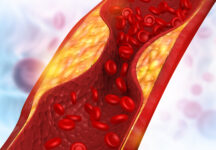
There are good reasons to keep an eye on your cholesterol. About one in four Americans have high LDL cholesterol, the type that is often referred to as “bad” cholesterol. When in excess, LDL cholesterol, along with different fats and other substances, forms sticky plaques along artery walls, which damage and clog arteries, reduce blood flow, and contribute to heart attacks and strokes.
“Adherence to these new guidelines holds great promise for improving prevention and management of cardiovascular disease, which remains the leading cause of death in both men and women,” says Ronald Krauss, MD, professor of medicine at UC San Francisco and a member of our editorial board.
Here are highlights of the new guidelines:
Start screening and treating earlier. Screen children ages 9 to 11 to identify familial hypercholesteremia (FH), as well as other lipid disorders. (FH is a genetic disorder that affects about 1 in 300 people and causes high LDL cholesterol from birth.) For children whose relatives have early-onset CVD, very significant lipid abnormalities, or FH, even earlier screening (as young as age 2) may be recommended. Repeat lipid screening is recommended at age 19 and then every five years after—more often for people with additional CVD risks.
Young adults with FH, LDL cholesterol at or above 160 milligrams per deciliter (mg/dL), a strong family history of early-onset CVD, or a high 30-year risk of CVD (based on the new calculator; see below) may need cholesterol-lowering medication, even if their 10-year risk is low. Following healthy lifestyle practices—including a heart-healthy diet, regular exercise, tobacco avoidance, and weight management—is important for everyone, starting in childhood and continuing throughout life.
Use PREVENT to calculate risk and guide treatment (in people without FH). The AHA’s recently released PREVENT (Predicting Risk of Cardiovascular Disease EVENTS) calculator is designed for people starting at age 30 who haven’t been diagnosed with CVD (previous guidelines recommended starting risk assessment at age 40 using the earlier calculator). This tool estimates your 10- and 30-year risk of heart attack and stroke and helps your doctor determine whether you could benefit from lipid-lowering drugs. Based on your results, the PREVENT calculator places you in one of four 10-year risk categories: low (under 3 percent), borderline (3 to just under 5 percent), intermediate (5 to just under 10 percent), and high (10 percent or above).
Aim for even lower LDL cholesterol targets than in the past with lifestyle changes (heart-healthy diet, consistent exercise, weight management, blood pressure control, and smoking avoidance) and, if needed, medication. These cholesterol goals are based on PREVENT scores:
- Less than 100 mg/dL for people at low, borderline, or intermediate risk for CVD
- Less than 70 for those at high risk for CVD
- Less than 55 for most people who have been diagnosed with CVD
Consider additional tests. The following are more precise ways to identify your cardiovascular risk and determine whether you need cholesterol-lowering drugs:
- Apolipoprotein B (ApoB). This protein transports lipids through the blood, where they can accumulate and form plaques in arteries. ApoB is a more accurate risk marker than LDL cholesterol, especially in people with type 2 diabetes, high triglycerides, or known cardiovascular disease.
- Lp(a). According to the guidelines, levels at or above 125 nanomoles per liter (nmol/L) increase your risk for CVD by 1.4 times. Levels of 250 nmol/L double your risk. Adults should have a one-time Lp(a) test. Though it can be done at any age, it makes the most sense to do it early in life because levels are genetically determined and don’t change very much over time.
- Coronary artery calcium (CAC) scan. This scan checks your heart’s arteries for calcium and plaque buildup. It’s recommended for men ages 40 and older and women ages 45 and older who are at borderline or intermediate risk for CVD but have not been diagnosed with it.
Late-breaking findings
Not included in these recommendations were the results of a double-blind, randomized, placebo-controlled trial called VESALIUS-CV, which wasn’t completed when the guidelines were being finalized. VESALIUS-CV included 12,257 people with CVD or risks for it such as diabetes, but who hadn’t had a heart attack or stroke. Participants were randomly assigned to receive more intensive LDL-lowering treatment with the monoclonal antibody drug evolocumab (Repatha), or they were in a placebo group that received an inactive pill. Both groups also took standard cholesterol-lowering drugs—statins, with or without ezetimibe (Zetia).
Published in the New England Journal of Medicine in November 2025, the study showed that evolocumab reduced the risk of CVD death, heart attack, or stroke by 25 percent over a five-year period compared with the placebo group. Weighing in after the new guidelines were published, members of the AHA/ACC guideline committee said this finding highlights the benefits of more intensive LDL cholesterol-lowering to less than 55 mg/dL in a larger number of people.
BOTTOM LINE: The new guidelines stress the importance of learning your heart risks and using them to manage high cholesterol and other blood lipids as early as possible, especially if you have a family history, diabetes, or current cardiovascular disease. Talk with your primary care doctor or cardiologist about which tests should be part of your screening routine, and how often to have them.