By now, most of us know that Americans consume too much sodium—more than 3,300 milligrams daily, on average—in the form of sodium chloride (aka salt). That’s well above the recommended 2,300 mg daily limit. Thanks to our doctors, nutritionists, and public health messaging, we’re also aware of the harmful health effects of excess sodium, which alters the function of the artery lining, narrows these blood vessels, and leaves them inflamed and stiff. High-sodium diets are associated with an increased risk of high blood pressure, a leading cause of life-threatening heart attacks and strokes.
But even if your blood pressure is in the healthy range, other perils of pouring salt onto your food should give you pause. A growing body of research shows that excess sodium harms the body in ways far beyond blood vessel damage and heart disease: It has also been linked to kidney problems, osteoporosis, and cancer, among other risks.
Here are just some of the reasons to cut down on sodium, along with how low to go and which salt alternatives are worth substituting.
Kidney disease and stones
The kidneys’ main job is to remove excess water and wastes like urea from the bloodstream to make urine. A balance of sodium and potassium is necessary for the kidneys to pull fluid through the blood vessel walls. When the sodium concentration gets too high, it throws off the sodium-potassium balance, and the kidneys can’t remove as much water. Excess fluid builds up in the blood vessels and contributes to high blood pressure, which damages the kidneys.
Doctors have known for a long time that consuming too much salt makes it harder for already damaged kidneys to remove fluid. More recent research has linked extra salt with an increased risk for chronic kidney disease (CKD) in people with previously healthy kidneys. In a 2023 JAMA Network Open study that included data from more than 465,000 people in the UK, those who said they sometimes, usually, or always added salt to their food had a higher risk of developing CKD in the 12-year follow-up period compared with those who never or rarely added salt. Although the researchers couldn’t rule out the possibility that adding salt to food was merely a sign of an overall unhealthy lifestyle, the findings highlight the potential value of reducing salt in the diet to prevent CKD.
Kidney stones are another concern when dietary sodium is high. Sodium prevents calcium from being reabsorbed in the kidneys’ tubules. The excess calcium clumps together to form hard stones. A study that used data from the Women’s Health Initiative (WHI) showed that diets higher in sodium increased the odds of being diagnosed with kidney stones by up to 61 percent. The risk of kidney stones was highest in women who consumed the most salt. Both men and women with high levels of sodium in their urine (a marker for high salt intake) were about twice as likely to have kidney stones compared to those with low levels, according to other research.
Headaches
High blood pressure is linked to headaches, and salt is a known booster of blood pressure. But whether cutting back on sodium is helpful for reducing headaches has had varied results. A 2016 study in the American Journal of Public Health found that in older adults with high blood pressure, those who reduced sodium in their diet had fewer headaches than those in a control group who didn’t make that change. However, in a 2024 study in the European Journal of Clinical Nutrition, using a salt substitute long-term to reduce salt intake did not change the frequency or severity of headaches.
The connection between migraine, a type of headache, and salt intake is even more complicated. Data from the National Health and Nutrition Examination Survey (NHANES) showed an inverse relationship between dietary sodium and migraine. The odds of getting a migraine actually decreased the more salt people consumed. However, in another study that assessed 24-hour urine samples, migraines lasted longer and caused more disability in those with higher sodium levels in their urine.
Bone loss
Because a high-salt diet causes more calcium to be released into the urine and because calcium is essential for strong bones, it’s not surprising that some research has found lower bone mineral density (BMD) in people who eat a high-salt diet—particularly postmenopausal women, who are already at greater risk for osteoporosis.
But the relationship between sodium and BMD isn’t straightforward. A diet low in salt has also been linked to osteoporosis. When the sodium level in the body gets too low, it activates the renin-angiotensin-aldosterone system (RAAS), triggering the release of hormones that regulate blood pressure, blood volume, and sodium balance. But RAAS also promotes the breakdown of bone via cells called osteoclasts and blocks new bone formation by osteoblasts, processes that together cause osteoporosis.
Asthma
Researchers have been studying the connection between salt intake and airway disease for decades. One of the most recent efforts, a 2024 study in the European Journal of Allergy and Clinical Immunology, found that having excess sodium in urine correlated with an increased risk of asthma in women—but not men. To determine the mechanism behind this effect, the authors looked at mice and found that rodents fed a high-salt diet had more inflammatory cells in their airways. But the possible reason for this effect in humans—and why it wasn’t seen in men—is not known.
Could a low-salt diet offer marked relief from asthma symptoms? According to a 2011 Cochrane review of nine randomized controlled trials on salt reduction in people with asthma, the answer seems to be no. The authors did see improved lung function among people with exercise-induced asthma who cut back on salt, but they weren’t sure about the clinical significance of this finding.
Stomach cancer
The connection between diet and several types of cancer is well known. While a healthy, plant-based diet may lower the risk, one high in processed foods, red meat, fat, and sugar increases it.
Salt is another dietary component linked to cancer, especially stomach cancer. A 2022 review of 38 studies, published in the journal Nutrients, found that a high-sodium diet increased the risk for stomach cancer by 55 percent compared to a low-sodium diet. It’s thought that sodium chloride damages the lining of the stomach and also enhances colonization of H. pylori bacteria in the stomach. Both processes can lead to inflammation, which in turn may trigger unchecked cell proliferation and the development of cancer. H. pylori is one of the main risk factors for stomach cancer.
Eczema
More than 31 million Americans live with the itchy skin condition eczema. Over 16 million of them have the most common type, atopic dermatitis. A combination of genetic factors, immune system problems, and an impaired skin barrier contribute to atopic dermatitis, but lifestyle factors play a role too—including sodium in the diet.
A 2024 study in JAMA Dermatology of more than 215,000 adults from the UK showed that those with higher dietary sodium intake (as measured by the amount of sodium in their urine) were more likely to have atopic dermatitis, as well as more severe symptoms.
Cognitive impairment
Excess sodium might increase the risk for cognitive impairment via its harmful effects on blood vessels, and by promoting inflammation in the body. In a 2020 review published in the Journal of Alzheimer’s Disease, more than 60 percent of the 15 studies included found significant associations between increased sodium intake and poorer cognitive outcomes. But low sodium intake was also associated with poor cognitive performance in a few studies, which confused the findings. The authors suggested that future research track people over longer periods to validate the link.
Regular table salt is the variety most American households add to their food. In 1924, in response to reports of iodine deficiency in the “goiter belt”—a region of the Great Lakes, Appalachians, and Northwestern U.S. where the soil was low in iodine—manufacturers began adding this essential mineral to table salt, helping prevent thyroid-related health problems and marking the birth of iodized salt.
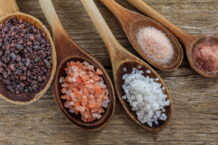
Today, our salt options have broadened. We can choose from kosher salt, sea salt, rock salt, pink Himalayan salt, fleur de sel, and more. Alternative salts have gained popularity, but are any of them less risky to your health than the old table variety?
The answer is no. While there are differences in taste, texture, mineral content, and cooking applications, sodium chloride is sodium chloride, no matter what other name is attached to it. The volume of sodium per teaspoon can vary based on crystal size and shape of the particular salt, but every kind has a similar effect on health and should be consumed in moderation.
Go low—but not too low
You don’t want to eliminate sodium entirely from your diet, as your body needs it to control fluid levels and blood pressure, but you should aim lower than the current national average of 3,300 mg daily. The American Heart Association recommends a limit of 2,300 mg of sodium a day, with the ultimate goal of getting that down to 1,500 mg or less, especially if you have high blood pressure. The DASH (Dietary Approaches to Stop Hypertension) Eating Plan offers ways to do this.
Bear in mind that the main contributors of salt in the American diet are processed foods (which we recommend strictly limiting for other health reasons, too), prepared foods, and restaurant foods (not just fast food). To lower your sodium intake, consider eating out less often and, when you do go out, ask the chef to prepare your food without adding extra salt. When reading nutrition labels, be aware that many processed foods contain “hidden” sodium in forms not labeled as “salt”—such as monosodium glutamate (MSG), sodium erythorbate, sodium citrate, and trisodium phosphate.
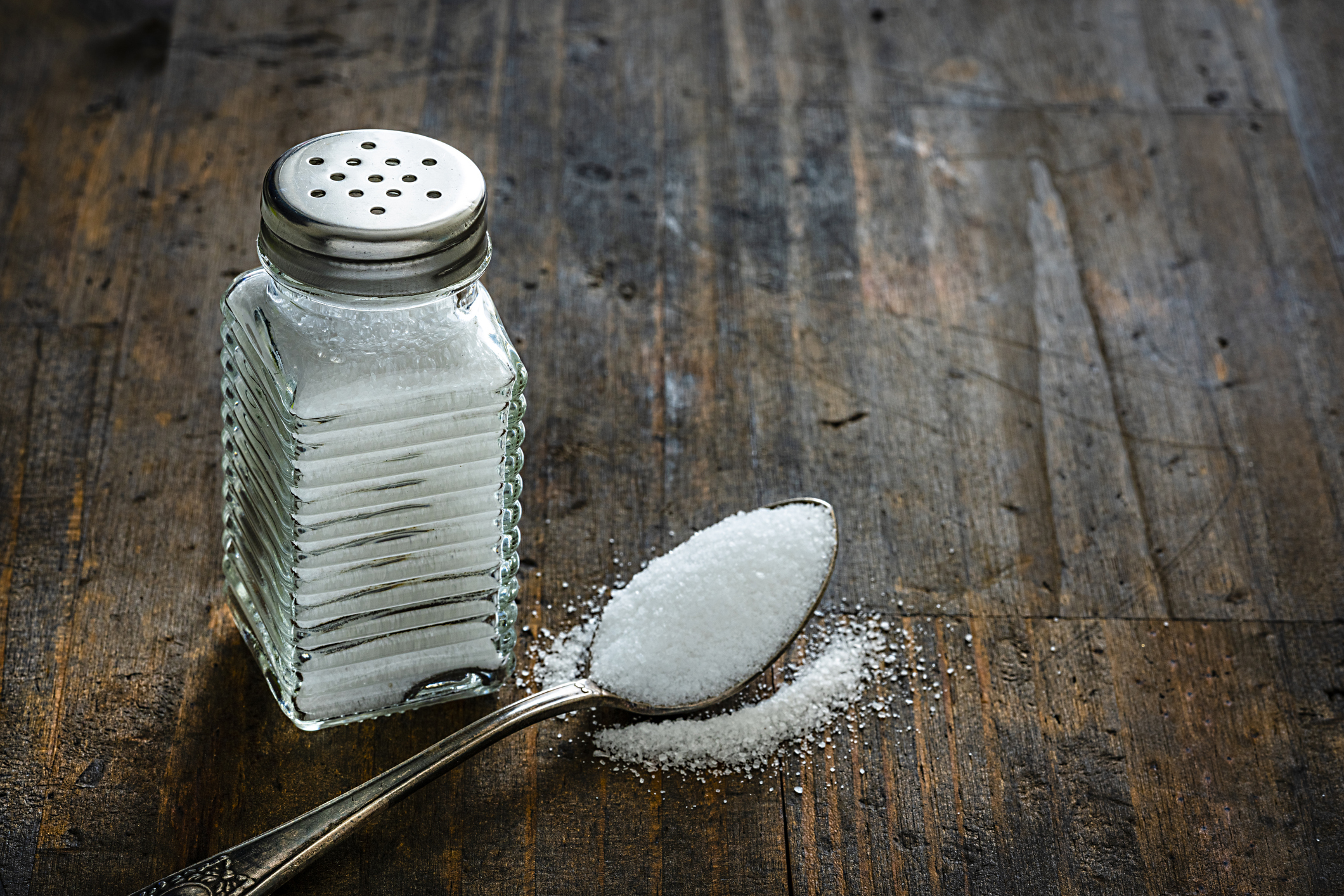
Although salting food at the table is not the main culprit behind a salty diet, if you have a heavy hand with the saltshaker, another option is to use a salt substitute. Products like Morton Salt Substitute, No Salt, and Dash replace sodium chloride with potassium chloride, which offers a similar flavor without raising blood pressure. Research has shown that salt substitutes help lower blood pressure and reduce the risk of dying.
But extra potassium is risky for anyone with a condition that impairs potassium removal, because it could increase the risk of dangerously high potassium levels (hyperkalemia). This includes anyone with chronic kidney disease (especially if it’s advanced) or chronic heart failure, and those who take blood pressure-lowering drugs such as angiotensin-converting enzyme (ACE) inhibitors, angiotensin receptor blockers (ARBs), or potassium-sparing diuretics (such as spironolactone). Check with your doctor before using products containing potassium chloride if any of these conditions apply to you.
There are also “lite” or reduced-sodium products like Morton Lite Salt and LoSalt, which combine sodium chloride with potassium chloride to cut down on sodium. Because these products do contain some salt, you still need to be sparing when adding them to your food. The same caution about hyperkalemia applies to these products as well.
An even better choice is to use natural salt alternatives. Though they don’t replicate salt exactly, adding lemon, garlic, spices like cumin and paprika, and fresh herbs such as cilantro and rosemary may similarly enhance the flavor of foods, allowing you to skip the saltshaker entirely.
Remember that eating salty foods is a habit—one that you can break in a relatively short time (anywhere from a couple of weeks to a few months, studies show). Be patient, and you may find that you enjoy the true flavors of food for a change.
BOTTOM LINE: While you need small amounts of sodium for your body to function, most Americans consume far too much. Extra salt has unhealthy effects on health, contributing not only to high blood pressure and cardiovascular disease, but also possibly to osteoporosis, kidney disease, stomach cancer, and other conditions. Cut back by using natural salt alternatives or salt substitutes when you cook, but also be mindful of the packaged and prepared foods you buy and the foods you order at restaurants.