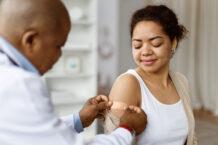
As I write, the U.S. is seeing measles outbreaks spread across the country. The epicenter is South Carolina, where there has so far been close to 1,000 cases reported in an outbreak that began last fall. At pediatric clinics in the state, parents and children wait in their cars in the parking lot so that staff can check them for fever or other signs of measles before they go inside. It’s a necessary protective measure because pediatricians’ waiting rooms are full of infants too young to have been fully vaccinated against measles yet.
I wish I could say this year is an anomaly. Unfortunately, we seem to be on an even worse trajectory than last year, when the U.S. recorded its highest number of measles cases (2,281) since the disease was declared eliminated from this country in 2000. If current trends continue, we could have some 8,000 cases in 2026.
Why are we seeing a resurgence in this “old” disease? The reason is simple: Vaccination rates are going down in parts of the country due to disinformation about vaccine safety and a push for so-called “medical freedom” coming from the current administration.
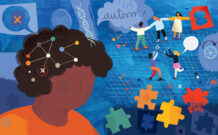
Health secretary Robert F. Kennedy Jr. has a long track record of fueling the discredited claim that the measles-mumps-rubella vaccine can cause autism. And the current head of the CDC’s vaccine advisory panel has said that immunizations against diseases like measles and polio should be “optional.”
I’m bringing all of this up to highlight a broader, deeply concerning issue: When it comes to children’s health and well-being, in general, our country is clearly going in the wrong direction—one where health officials are fear-mongering about safe and effective vaccines, and about pregnant women using Tylenol, while either ignoring many of the real threats or taking steps that will exacerbate them.
We’ve known for some time that compared with their peers in other wealthy nations, U.S. children and teenagers fare worse in many health metrics. And a study published this past July in the Journal of the American Medical Association shows that those disparities have grown in recent years.
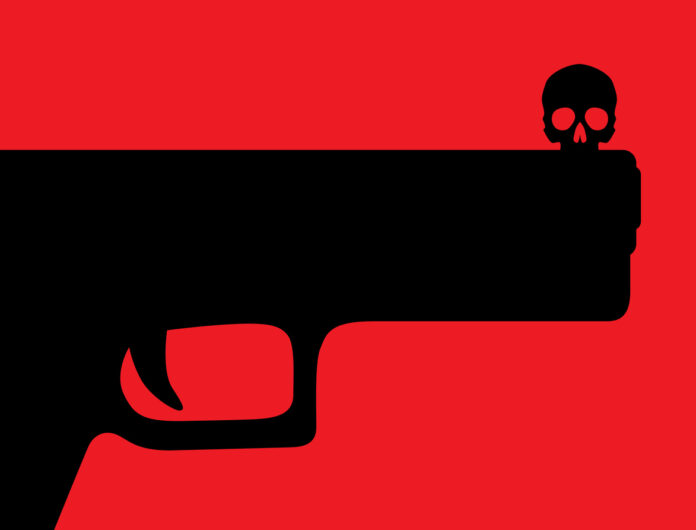
Among the findings: Compared to infants in 18 other high-income countries, those born in the U.S. are twice as likely to die due to prematurity, and 69 percent more likely to die of respiratory infections. Older U.S. children and teenagers, meanwhile, are five times more likely to die of substance abuse or homicide, and over twice as likely to die in motor vehicle accidents, than their peers in other countries. The most profound difference, however, is in the risk of death due to firearms: Our kids are 15 times more likely to die of firearm-related injuries.
Thankfully, child deaths are still relatively rare. But the point is, the vast majority are preventable, and we’re doing a much poorer job of that than our peer nations. And that’s not the only way in which we’re failing. The JAMA study also showed that since 2007, child health—in terms of obesity, lack of physical activity, insomnia, and symptoms of depression and loneliness—has been deteriorating.
Here’s the rub. Those issues do not exist because we lack solutions. If we want our children to be healthier and live long and productive lives, we do know what works. What we currently lack is the will.
Take, for example, access to high-quality prenatal care. We know that’s critical for healthy pregnancies and healthy infants, yet recent funding cuts to Medicaid and other healthcare programs under the so-called One, Big, Beautiful Bill Act are expected to increase the number of uninsured Americans by 10 million within the next eight years—including many women of childbearing age.
Similarly, nutritious food is vital to child health and development, but that same law is slashing funds for the Supplemental Nutrition Assistance Program (SNAP, what we used to call “food stamps”). This program helps lower-income families afford groceries.
We know that children need to breathe clean air. Chronic exposure to air pollution can trigger asthma, impair children’s cognitive development, and even contribute to higher risks of chronic diseases in adulthood. Yet our federal government is now bent on dismantling efforts to reduce fossil fuel emissions—which feed both climate change and dirty air.
We know that state policies intended to protect kids from firearm injuries can work. And of course, we know that childhood vaccinations work. Vaccines against illnesses such as polio and measles are among the biggest public health successes of the past century. But we are now going backward, due to our government sowing public distrust of long-established science.
Raising healthy children takes more than parents’ and grandparents’ efforts alone. As a society, we must decide that access to healthcare, nutritious food, stable housing, cleaner air, and safe outdoor spaces for physical activity are priorities. I do think most of us want those things—but we can’t do it ourselves. We need leaders who share those priorities and have the will to make them happen.