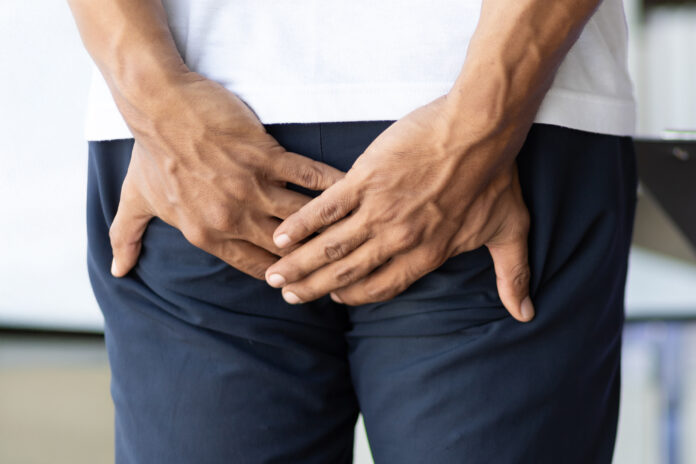
I’m prone to developing pimple-like bumps around my buttocks that sometimes get pretty big and painful and then burst. Yuck! Whatever they are—boils?—how can I get rid of them faster and prevent them from coming back?
Those do sound like boils, medically called furuncles. These skin infections are usually caused by bacteria that get into hair follicles and the sebaceous (oil) glands deeper in the skin. At first, they may look like small red pimples but can become quite tender and painful and can grow to the size of a golf ball. After a few days, they form pus-filled “heads,” which eventually rupture, drain, and then heal over, sometimes leaving a scar.
You can get boils anywhere you have hair—notably your buttocks, armpits, and groin, as well as your neck and face. Usually they form on areas that are moist or subjected to pressure and friction (as may occur in bicycle riding), and they tend to occur more frequently in warmer months.
The culprit behind boils is typically Staphylococcus aureus, a bacterium that commonly resides on skin and can enter the body through cuts, scratches, or other breaks (including microscopic ones). Though boils are usually a minor ailment, one worry is that if bacteria get into the bloodstream, this could lead to sepsis, a life-threatening condition that can damage or infect tissues, the heart, and other organs.
Shakespeare had a flair for medical imagery when he wrote “Thou art a boil, a plague sore, an embossed carbuncle in my corrupted blood” in King Lear. Boils and carbuncles (clustered boils) were shorthand for corruption and disease—but thankfully, modern medicine views them far less dramatically, and in fact, boils usually go away on their own within two weeks or so. To speed healing, warm, moist compresses can provide some relief and help bring the infection to a head. Don’t scratch, squeeze, or break a boil, though, since that can spread and worsen the infection. When a boil erupts and is draining, keep it covered with a bandage. Always wash your hands well after touching a boil or its pus to avoid spreading the bacteria.
If a boil becomes more painful and keeps getting bigger—or if you develop a fever—see your doctor. It may have to be lanced and drained. Under certain circumstances, you may need an antibiotic.
To prevent boils, wash your hands often; avoid sharing towels, razors, tweezers, or other personal items; cleanse even minor cuts and scrapes; wear clothing made of fabric that wicks away moisture while exercising; and always shower after a workout.
For recurrent boils, one strategy is to get rid of or at least decrease the growth of staphylococcal bacteria on skin. Options to discuss with your doctor include applying mupirocin ointment, a prescription antibiotic, just inside the nostrils (this helps prevent the spread of staph bacteria from the nose, where they commonly reside, to other parts of the body); using chlorhexidine as a daily soap all over the body; and soaking in a diluted bleach bath.