You may have seen the term nitric oxide pop up in health headlines or in ads for various anti-aging products. A quick Google search reveals the many roles this small molecule plays in the body, including helping regulate blood flow and supporting muscle function and energy use.
At the same time, nitric oxide (NO) is often marketed with big promises when sold as a supplement—promoted for everything from improving cardiovascular health and boosting athletic performance to treating erectile dysfunction and slowing cognitive decline. Nathan Bryan, PhD, a biochemist and purveyor of NO-based products, has touted NO as the “holy grail of anti-aging.”
Though not an essential nutrient in the diet, NO is undoubtedly a vital molecule in the human body. But do the supplements deliver on their promises?
What is nitric oxide?
Before discussing what NO is, it’s worth mentioning what it isn’t. Nitric oxide is different from nitrous oxide—the “laughing gas” your dentist administers to sedate you before a procedure.
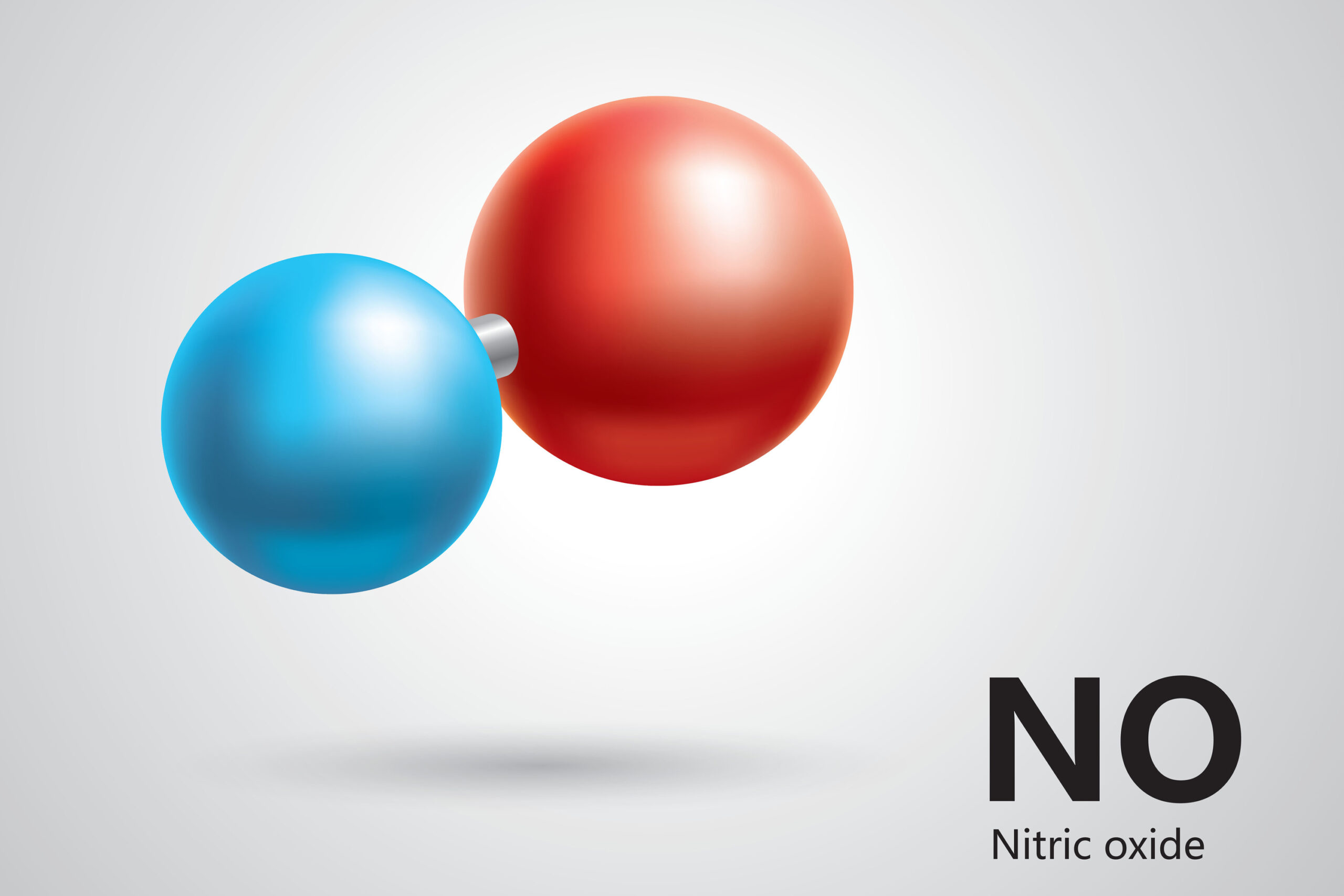
NO is a chemical messenger, made from equal parts nitrogen and oxygen, that transmits information between cells. Until the 1980s, it was only thought of as a toxic component of air pollution, car exhaust, and cigarette smoke that damaged the ozone layer. Then three American researchers—Robert F. Furchgott, PhD, Louis J. Ignarro, PhD, and Ferid Murad, MD, PhD—discovered that NO is a critical signaling molecule in the cardiovascular and nervous systems. Their discovery earned the trio the 1998 Nobel Prize for Physiology and Medicine.
Today NO is recognized as one of the body’s most important chemical messengers. It transmits signals necessary for cardiovascular health, immune response, learning and memory, digestion, sexual function, and cellular energy use, among other functions.
The human body produces NO when an enzyme called nitric oxide synthase (NOS) converts the amino acid arginine into NO, using oxygen and helper molecules such as NADPH. This process occurs in many tissues, including the cells lining blood vessels (the endothelium), where NO plays a key role in regulating blood flow. Another amino acid, citrulline, is converted into arginine in the kidneys, which also increases NO production. In addition, bacteria in our gut convert nitrates from foods like spinach, kale, and beets into nitrites, which stomach acid can then convert into NO.
As we age, our NO levels drop as both the production and availability of this molecule decline. According to some estimates, endothelium-produced NO is 75 percent lower in 70- to 80-year-old people compared to healthy 20-year-olds. This reduction is largely due to a decline in endothelial function—in other words, an aging blood vessel lining produces less NO. A decrease in the body’s NO production is linked to age-related loss of muscle mass (called sarcopenia) and other changes.
Boosting nitric oxide
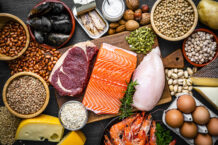
Increasing NO as you age may help improve your overall health, in part by supporting better cardiovascular function and brain health. One good way to increase this molecule in your body is by eating more of the foods below, which contain NO precursors:
- Beets and leafy greens (such as spinach, kale, and chard) have high amounts of nitrates, which your body converts to NO.
- Garlic and citrus fruits (orange, lemon) increase levels of the enzyme nitric oxide synthase, which converts arginine into NO.
- Nuts (like walnuts and almonds) and seeds (like pumpkin seeds) are rich in arginine.
- Chocolate and tea contain flavonoids, which activate enzymes used to make NO and prevent the breakdown of existing NO.
Both aerobic and resistance training, which are already recommended for seniors, reduce the rate of NO decline and help boost its production.
Dietary supplements that contain NO precursors may also increase NO levels in the body (though they can be problematic; see below). Two of the most common ingredients in these supplements are arginine and citrulline. Beetroot extract is another widely used ingredient because it contains nitrates. Antioxidants like polyphenols and vitamin C may be added to supplements to increase the availability of NO in the body.
NO, yes, maybe?
NO is not recommended as a standalone treatment for any medical condition. That said, here are some of its purported benefits, and the available research to support them.
Cardiovascular health. This is one of the most well-studied effects of NO. Nitric oxide helps keep blood vessels flexible and relaxed so that blood can flow easily through them, and helps prevent the formation of blood clots that can cause heart attacks and strokes. Endothelial dysfunction that occurs with age leads to a drop in NO, which contributes to high blood pressure, as well as plaque buildup in blood vessels—otherwise known as cardiovascular disease.
Therapies to boost NO could be promising for cardiovascular disease, but scientists are still investigating the optimal way to deliver this molecule to target tissues. In the meantime, there is some evidence that increasing nitrate consumption from foods may reduce blood pressure and improve blood vessel health.
Sexual health. Low NO levels, from aging or conditions like diabetes, contribute to erectile dysfunction (ED). NO is important for achieving and maintaining erections, in part because it relaxes blood vessels in the penis, which increases blood flow there. It also activates an enzyme to create cyclic GMP (cGMP), which sustains the erection. Drugs like sildenafil (Viagra) and tadalafil (Cialis) similarly improve erections by enhancing cGMP levels.
Because arginine and citrulline raise NO levels, they are ingredients in some sexual enhancement supplements. A review of 10 randomized controlled trials, published in the Journal of Sexual Medicine in 2019, found that arginine supplements significantly improved symptoms compared to a placebo or no treatment in men with mild to moderate ED. Citrulline’s effects on ED are also promising, but less well studied.
Brain and nervous system function. A healthy brain relies on a constant supply of NO to ensure adequate blood flow. The molecule also plays key roles in memory, learning, and sleep. Yet NO can be a double-edged sword. Too much of it could cause cellular damage that may contribute to neurodegenerative diseases such as Alzheimer’s and Parkinson’s.
Whether supplementation offers any benefits to brain health is still uncertain, as research in humans is limited. A 2022 study of frail people over age 65 with high blood pressure, published in Frontiers in Cardiovascular Medicine, found improvements in cognitive assessment scores among the group treated with arginine supplements. However, the study was small (35 people in the arginine group and 37 in the placebo group), and participants only took the supplement for four weeks.
Diabetes. NO’s role in diabetes is complicated. On the one hand, it helps insulin bind to its receptors and move glucose (sugar) out of the bloodstream and into cells. But NO production is often impaired in people with diabetes, which can make insulin resistance worse. Although one review and meta-analysis found that arginine supplementation could significantly alter blood sugar markers in clinical trial participants, the importance of this effect in the real world may not be meaningful.
Athletic performance. Exercise increases NO production, which, in turn, improves blood flow to muscles. Whether nitric oxide supplementation enhances athletic performance is so far unproven, but promising. In a small study (only 15 people) of young Taekwondo athletes, the combination of nitrate supplements (derived from spinach) and arginine supplements improved performance, power, and agility.
YES tips for more NO
The safest way to increase NO is to eat more foods like beets, leafy greens, and citrus fruits that your body uses as the raw materials to make it. The evidence on supplements is less clear—and because the dosages and ingredients used in studies have varied, it’s difficult to know exactly how much or which type to take.
Plus, supplements can have risks. Arginine may cause gastrointestinal side effects such as nausea and diarrhea. It also can interact with blood pressure medications, potentially causing low blood pressure. And any benefits it might have tend to disappear when people take it over the long term. Another concern with NO is that, while the way it sends signals in the body sometimes kills cancer cells or makes them more sensitive to treatments like chemotherapy or radiation, it also may have the potential to promote the growth and spread of tumors.
BOTTOM LINE: The best evidence for nitric oxide’s benefits is for cardiovascular health. And the best way to increase levels of NO is through diet and by staying physically active to preserve your lean body mass. If you do want to try a supplement containing an NO precursor like arginine or citrulline, it’s a good idea to first consult a doctor or pharmacist, to flag any possible risks or interactions with medicines you’re on. Take only the dosage listed on the bottle to avoid getting too much, as that could increase the side effects.