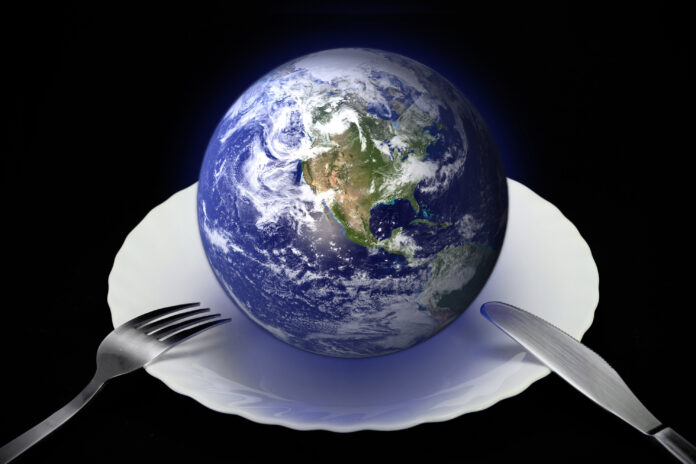
If people who eat a typical Western diet switch to a largely plant-based one, it could make a big difference in their personal health. And if we all make that change, it would have a major impact on the health of the planet.
That’s the basic message of the latest report from the EAT-Lancet Commission, an international scientific body that, in 2019, proposed the “planetary health diet,” or PHD. In a nutshell, the PHD is a way of eating that supports both human health and that of the planet, by emphasizing minimally processed plant-based foods.
The report, published in The Lancet medical journal, estimates that relatively few people worldwide are currently following the PHD guidelines. But if the diet became the global norm, as many as 40,000 premature deaths could be averted every day—that’s about 15 million per year. Meanwhile, the greenhouse gases churned out by food production could be cut by at least one-fifth by 2050.
Following the PHD: No PhD required
The commission members describe the PHD as flexible—allowing room for different cultural cuisines and acknowledging that food availability and affordability vary across the globe. So while plant foods are the focus, the PHD is not a strict vegetarian or vegan diet.
Here are the highlights:
- A major tenet of the PHD is that most daily calories should come from plant foods: at least five servings per day of vegetables and fruits; at least three servings of whole grains (such as oats, brown rice, quinoa, and barley); and three to five servings of beans and other legumes, nuts, and seeds (including at least one serving of nuts). Unsaturated vegetable oils—like olive, canola, sesame, and safflower oils—should be favored over animal fats; they should also be favored over partially hydrogenated oils, which are now banned in U.S. processed foods but still used widely in many lower-income nations.
- Dairy products such as milk, cheese, and yogurt are good sources of protein, calcium, and other nutrients, so they can be part of a healthy diet. But the PHD limits them to no more than one serving per day (dairy production is a major contributor to greenhouse gas emissions; see below). And make sure there’s no added sugar in them (as is common, for instance, in fruited yogurts and flavored milks).
- Similarly, eggs, fish, and poultry provide protein and other vital nutrients including the omega-3 fatty acids found in oily fish such as salmon, mackerel, trout, herring, and sablefish. The PHD recommends eating up to two servings each of eggs, fish, and poultry per week.
- Keep red meat consumption to a minimum because of its large environmental footprint as well as its adverse effects on health—no more than one serving per week.
- In general, aim to eat whole, unprocessed foods (like fresh vegetables, fruits, beans, nuts, and seeds) or foods that are minimally processed (rolled oats, canned nuts, frozen vegetables, and plain yogurt with no additives, for instance). Strictly limit packaged foods with added sugar and salt.
Benefits for people
If all of the above sounds familiar, that’s because the PHD has a lot in common with well-known eating plans like the Mediterranean and DASH diets. And as the Lancet report points out, studies have shown that those diets can lower the risk of a range of major health conditions—including high blood pressure, type 2 diabetes, heart disease, certain cancers, and dementia.
A 2024 study in the American Journal of Clinical Nutrition was the first large research effort to estimate the benefits of the PHD itself. The investigators analyzed data from three existing studies that included more than 200,000 U.S. medical professionals who were followed for up to 34 years. Based on detailed dietary questionnaires, they assigned each study participant a PHD “score.” Overall, the participants who scored in the top 10 percent—meaning they closely adhered to PHD principles—were 30 percent less likely to die of any cause over the research period, versus their peers who scored in the bottom 10 percent.
Benefits for the planet
It may be no surprise that eating plenty of plant foods, and limiting sugar and red meat, does a human body good. Perhaps less appreciated are the potential benefits for the environment.
Feeding the world’s population is a massive undertaking. It involves converting forests to agricultural land, raising livestock and growing crops (often with the heavy use of petroleum-based chemicals), processing and packaging food, and transporting goods over long distances. As the Lancet report notes, food production alone is responsible for about one-third of the global greenhouse gas emissions that are driving climate change. It’s also a leading cause of water and air pollution.
Plant-based diets can lessen those environmental costs because animal products have a much larger impact than plant foods: Compared to growing vegetables, raising livestock (especially cattle) requires far more resources in terms of land, water, and energy—and generates more pollution. In particular, the report notes that “unhealthy overconsumption, notably of red meat, is a leading driver of climate and land-use impact.”
The Lancet report estimates that right now, only a tiny fraction of the world’s population is able to adequately adhere to a PHD-like diet. If we keep the status quo, greenhouse gas emissions from food production will continue to rise. If we instead make a mass shift toward the PHD, those emissions could drop by at least 20 percent in the next 25 years or so, versus 2020 levels, the report optimistically projects.
There would be other benefits, too—including less land use and reductions in pesticides and fertilizers that pollute soil, water, and air. Importantly, those changes would likely benefit human health as well. Poor air quality, for example, can contribute to or worsen heart and lung disease. And studies have linked chronic exposure to pesticides and fertilizer-polluted drinking water to various health hazards, such as increased risks of certain cancers, heart disease, and Parkinson’s disease.
Final thoughts: Achieving dietary changes on a global scale will require collective societal efforts, such as reforms in how governments and policymakers subsidize agriculture and set food prices. But starting now, individuals can make food choices that support their personal health and treat the planet more kindly. You can start small, by dedicating a bigger portion of your plate to plant foods and considering animal products as side dishes. If you need culinary inspiration, the EAT-Lancet Commission dishes out not only recommendations but recipes as well.