I remember as a child, biting into a peach or a slice of melon and practically swooning over the sweet, juicy taste. These days it seems like all the fruit I buy (including tomatoes) is flavorless and blah—or even crunchy when it used to be soft (and vice versa). Are my taste buds getting less sensitive with age, or is something wrong with fruit these days?
While your sense of taste (coupled with your sense of smell) may have declined with age, you’re right that produce is often less flavorful than it was in the past. There are a few scientifically documented reasons for the blander-tasting fruit.
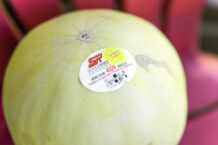
One is modern growing techniques. In the food industry’s quest to improve the yield, brighten the colors, enlarge the size, and extend the shelf life of produce, they have inadvertently bred out many of the natural compounds that give fruits (and vegetables) their flavor. Much produce today is also bred to be hardy enough to survive the lengthy journey from their point of origin to your supermarket, which has changed their texture and often their flavor. Breeders sometimes select for melons with firm flesh, for example, for both their durability and longer shelf life.
Professor Harry Klee of the University of Florida demonstrated the changing flavors of fruit when he and his colleagues asked 100 taste-testers to rank 160 varieties of tomato (which is classified as a fruit). The researchers identified compounds that correlated with participants liking the taste of the tomato. After finding the genetic points, or loci, that corresponded to the positively ranked compounds, they discovered that these compounds are less present in modern tomatoes than in older or heirloom varieties.
Nature also works against the fruit industry. Climate change has brought more temperature extremes—from intense heat to unseasonal cold—as well as floods and other natural disasters, which have destroyed some crops and stressed others. High temperatures cause fruits like strawberries to ripen faster than usual, whereby they develop their color, texture, and other desired features before they reach their peak sweetness, so they may look good but taste bland. The heat is also making some apples soft and mushy instead of crisp.
Bugs are another factor in declining fruit flavors. One of the citrus tree’s biggest foes is also the smallest. A tiny insect known as the Asian citrus psyllid, or Huanglongbing, infects the trees by spitting bacteria onto their leaves. To combat the infection, the tree releases a chemical that clogs up its phloem—the network of vessels that transport nutrients throughout the tree. The blocked vessels also prevent sugar from traveling from the leaves to the fruit. This phenomenon is called “citrus greening,” because over time, the tree starts to produce small, partially green, irregularly shaped fruit with a bitter taste. Eventually, the tree dies.
Even if supermarket produce isn’t always how you remember it, that’s no reason to abandon your favorite fruits. You can still find flavorful varieties at local farmers markets, where fruit is fresher, riper, and more tasty due to later harvesting and the farm’s proximity to the market (although it may also be more expensive than supermarket fruit). There’s also heirloom produce, which isn’t mass produced and tends to have a sweeter, more complex taste.
And don’t overlook frozen fruit. The fruit is typically frozen straight off the vine, sealing in its flavor without compromising its nutrients. Plus, frozen fruit is often cheaper than fresh and is available year round, so you can have your blueberries and peaches in winter.