Can oysters and other bivalves really be part of a vegan diet? I’ve heard they can be since they don’t feel pain.
Not according to the definition of veganism, since vegans avoid all things of animal origin, typically for animal-welfare reasons and the belief that it is wrong to consume any sentient beings, as well as for health, environmental, religious, or plain “disgust” reasons.
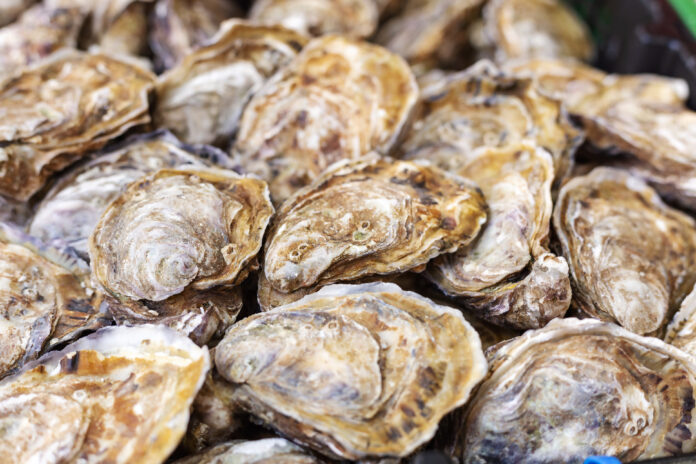
But some people—controversially referred to as ostrovegans (“ostro” is derived from the Latin word for oyster) or bivalvegans—are adding bivalve mollusks (oysters, mussels, clams, and scallops) to their otherwise vegan diets. Whether you want to do so yourself largely depends on where you fall in the ongoing debate about what makes life forms sentient and how pure a vegan diet you want to follow.
The argument in favor of eating bivalves is that they have no central nervous system, so they can’t be sentient or feel pain. That is, their very simple nervous systems do not have a brain capable of being mindfully aware of sensory inputs or processing nerve signals as pain. When they close their hinged shells, it might simply be an involuntary reflex to noxious or threatening stimuli, not that they are perceiving the stimuli as pain, as do humans and other animals with more complex nervous systems.
Proponents also argue that although bivalves are alive, so are plants. And they note that some plants similarly move in response to stimuli—notably the Venus flytrap, whose sensory hairs cause its petals to snap closed around insects.
Not surprisingly, many vegans and vegan groups vehemently object to the concept of ostroveganism. According to the animal rights organization PETA, it’s far from conclusive that bivalves feel no pain—the ability of scallops to swim away from threats, for instance, suggests otherwise, the group says—and they should be given the benefit of the doubt and thus avoided.
As a paper in the ILAR Journal (a publication of the Institute for Laboratory Animal Research) puts it, “Because the definition of pain includes a subjective component that may be impossible to gauge in animals quite different from humans, firm conclusions about the possible existence of pain in molluscs may be unattainable.”
If you do decide to go ostrovegan, there are some advantages. Bivalves are good sources of protein and micronutrients (such as vitamin B12, which can be challenging to get in a vegan diet), and they provide small to moderate amounts of omega-3 fatty acids.
In addition, most oysters, clams, and mussels are farmed and get thumbs-up ratings from Monterey Bay Aquarium’s Seafood Watch program. They don’t, for instance, involve bycatch, whereby other marine animals are harmed or killed (in contrast, vast numbers of small mammals, including mice, and countless insects are inevitably killed in the farming of fruits and vegetables). Most scallops are still wild caught, sometimes dredged from the sea bed, which adversely impacts other marine life—although some pass muster with environmental groups, especially when farmed.