New guidelines on high blood pressure are encouraging people to get a little more aggressive about lowering their numbers—by starting medication earlier and, ideally, cutting out alcohol.
The guidelines, from the American College of Cardiology/American Heart Association (ACC/AHA), are the groups’ first new recommendations on high blood pressure since 2017. And while much remains the same, there are important changes, too.
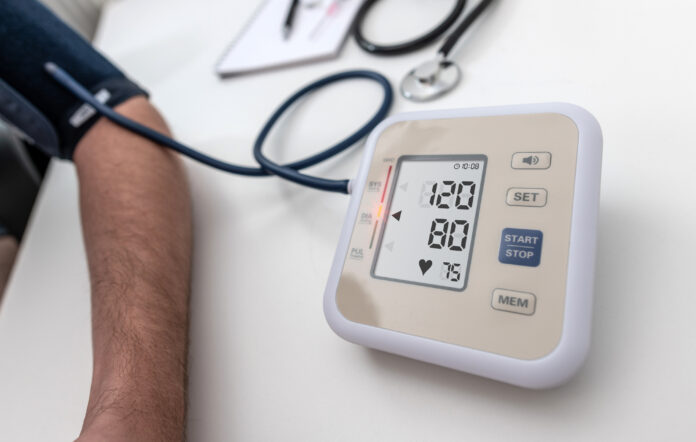
One thing that’s staying is the definition of high blood pressure (or hypertension): If your blood pressure is, on average, lower than 120/80 mm Hg, that’s considered normal; if it’s 130/80 mm Hg or above, you have hypertension. For most adults with hypertension, the goal is to get those numbers consistently below 130/80—another longstanding recommendation that remains the same under the new guidelines.
Here’s what has changed, and it pertains to people who are not at especially high risk of heart attack, stroke, or other cardiovascular complications: If your blood pressure is in the 130–139 or 80–89 range, you should first try lifestyle measures—including diet changes and exercise—to get your numbers down. If that fails to work after three to six months, it’s time to add medication. That differs from the old advice, which recommended starting medication once your average blood pressure readings reached 140/90 or higher.
If you are at high risk of cardiovascular complications—due to diabetes, chronic kidney disease, or certain other factors your doctor will assess—you should start blood pressure meds right away.
Why the earlier start to medication? As the ACC/AHA point out, high blood pressure can have serious health consequences. It has long been recognized as the leading preventable risk factor for heart disease and stroke, and it’s a major contributor to chronic kidney disease. More recently, a growing number of studies have linked poorly controlled hypertension to heightened risks of cognitive decline and dementia—likely because high blood pressure can damage blood vessels supplying the brain.
Given all that, the heart groups say, intervening earlier with medication could make a big difference for individuals, and for public health.
Healthy habits, still crucial
While the new guidelines call for an earlier start to medication, they also emphasize the importance of lifestyle changes for everyone with hypertension. Medication is an add-on, not a replacement for healthy habits. Like the former guidelines, the new ones encourage people to maintain or aim for a healthy weight, eat a heart-smart diet (such as the DASH eating plan), get at least 150 minutes of moderate-intensity exercise (such as brisk walking) each week, and manage daily stress with practices such as breathing exercises, yoga, or meditation.
Here are some more specifics from the lifestyle recommendations, including a few additions to the previous advice:
- Limit sodium to 2,300 milligrams a day at most—ideally no more than 1,500 mg (the amount in two-thirds of a teaspoon of salt). Be aware that most salt in the diet comes from packaged, processed foods and restaurant meals, not the salt you add at the table (though you should use a light hand when salting home-cooked foods, too, and substitute herbs for salt as much as possible; it’s easier than you think to break a salt habit).
- Consume more potassium, an electrolyte that helps lower blood pressure and regulate your heartbeat. Ideally, you should get potassium from foods such as fruits and vegetables, dairy, and seafood (major features of the DASH diet). But—new to the guidelines—you could also try a potassium-enriched salt substitute (where some or all of the salt is replaced with potassium), especially if you tend to go heavy on the salt shaker at home. There’s a big exception here, though: Do not ramp up your intake of potassium without a medical okay if your doctor has advised a low-potassium diet for any reason (chronic kidney disease, for example, or if you take a medication that increases blood potassium level, such as an ACE inhibitor or certain diuretics).
- If you drink alcohol, consider quitting. This is a notable shift from the old advice, which said that men should limit themselves to no more than two drinks a day, and women to one per day. Alcohol is well known to raise blood pressure, and the new guidelines give greater weight to this fact—encouraging current drinkers to cut down as much as possible, with a “recommended goal of abstinence.”
- People with obesity should aim for a 5 percent or greater weight loss—an achievement that can lower systolic blood pressure by 6 to 8 points. The guidelines point to a new option that didn’t exist when the 2017 advice came out: the blockbuster weight-loss drugs known as GLP-1 agonists, which include semaglutide (Wegovy, Ozempic), liraglutide (Saxenda), and tirzepatide (Zepbound). In studies, the medications have been shown to lower blood pressure as they promote weight loss.
BOTTOM LINE: High blood pressure is exceedingly common, affecting nearly half of U.S. adults. Fortunately, there are also many ways to manage it. If your blood pressure numbers are not in the recommended range, or you’re having issues with any current medications (such as side effects or difficulty adhering to the dosing schedule), talk to your doctor. And remember that the lifestyle recommendations for improving your blood pressure, including diet and exercise, can have a much broader impact as well, from lower cancer risks, to stronger bones, to better mental well-being.