Home used to be the place where Americans felt safest, but these days our trusted abodes can’t always be trusted to protect us. Nearly one in five Americans have needed to evacuate their home due to severe weather such as a hurricane, tornado, or flood, per a 2024 YouGov poll. In January 2025, wildfires displaced tens of thousands of people in the Los Angeles area and destroyed more than 10,000 homes. Severe flooding in Texas in July left little time for evacuation and turned deadly quickly.
When emergencies like these strike, they can happen so fast that you may not have enough time to prepare or pack necessary items. While you can’t guard against every natural disaster or other threat, you can be better prepared by packing a disaster “go-bag” (sometimes called a bug-out or evacuation bag) and keeping it at the ready.
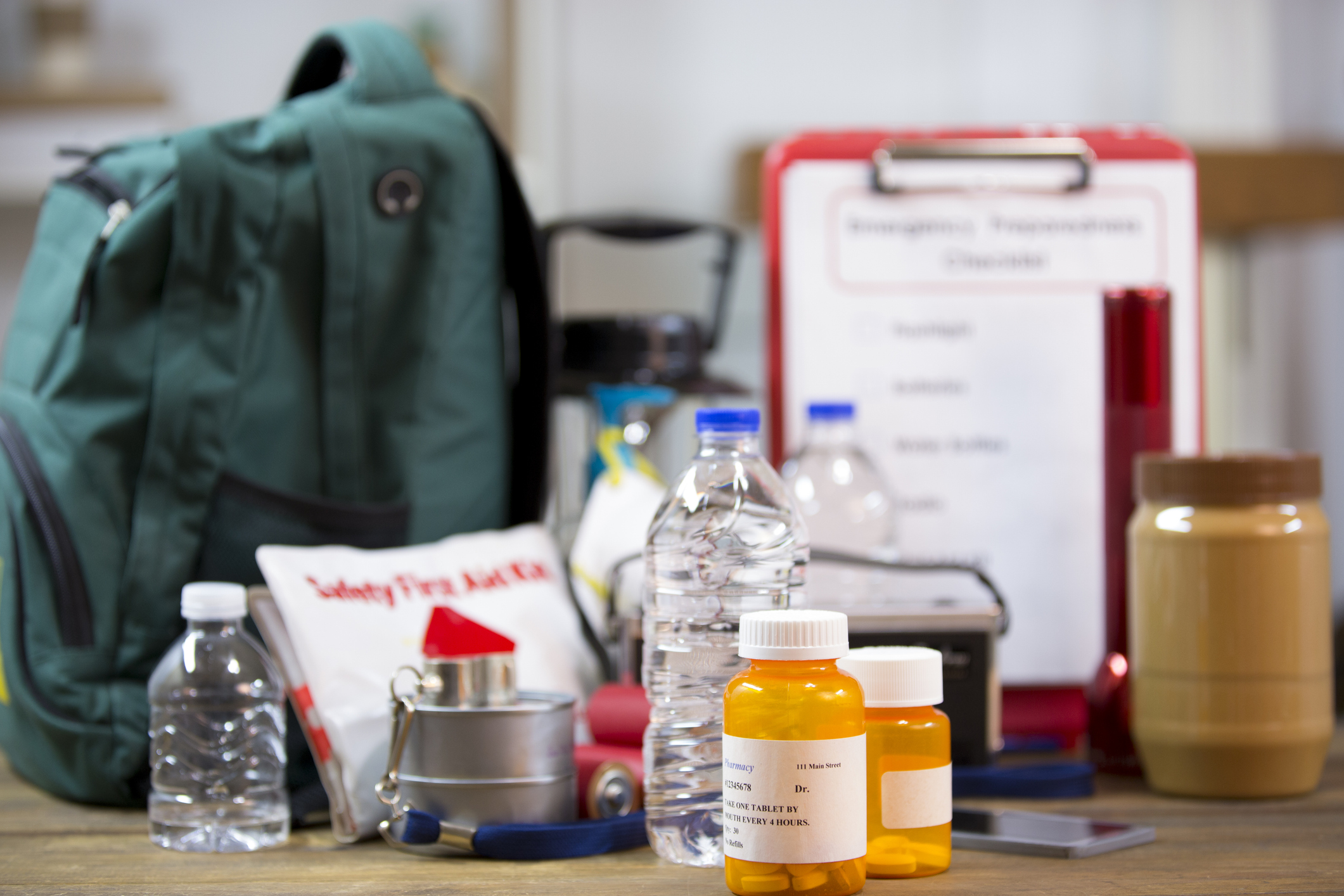
Experts recommend packing enough to sustain you and your family members for a few days or longer. While the contents of your go-bag will depend on your location, health needs, and other factors, here are the basics of what to put in it:
Medical supplies & documents. These are essential if you need to leave your home or will be far from your usual pharmacy and healthcare providers:
- Prescription medicines with labels intact (and an extra supply, if possible)
- Names and contact information for your doctors and other healthcare providers
- Medical insurance cards
- Medical and dental records
- List of allergies
- Over-the-counter medicines to treat pain and fever, nausea, constipation, diarrhea, reflux, and upper respiratory tract infections
- Hand sanitizer
- Basic first aid kit containing items like bandages, antiseptic/disinfecting wipes, soap, and antimicrobial ointment
- Sunscreen
- Insect repellent
Your medical information can also be stored in a personal health record (PHR) using an app on your phone or tablet so you always have it with you. But even with a PHR, it’s important to have hard copies of your documents, in case a power outage leaves you without access to them on your electronic devices.
Personal identification & documents. Take them with you in the event of a fire or severe weather—you could lose them if your home is damaged. Place these items in a waterproof container or plastic bag. Leave copies at home or with relatives or friends.
- Driver’s license / Real ID
- Social Security card
- Passports and visas
- Insurance policies
- Marriage and birth certificates
- Bank account records (with online access also)
Money. In case you need to pay for lodging, food, and other necessities—and ATMs are not working or have run dry—bring one or more of these payment options with you, in addition to a credit card:
- Cash
- Traveler’s checks
- Checkbook
Communication devices. To help you stay in touch with family, friends, and helpful resources, make sure you have a:
- Cellphone
- Tablet or other electronic devices
- Charger or portable power bank for your devices
- Contact list (this can also be stored in your phone’s address book or in cloud storage)
- Battery-powered AM/FM or weather radio (in case of severe storms)
- Pen or pencil and paper
Clothing & personal care items. Which items you bring will depend on the season and your location. Some suggestions are:
- A few changes of clothing (lightweight for summer, heavy for winter), including underwear and socks
- Comfortable walking shoes (keep a pair under your bed, too, so you can leave your home quickly and safely)
- Personal hygiene products including toothbrushes/toothpaste, toilet paper, cleansing/bath wipes, menstrual products, bladder control pads
- Hat, scarf, gloves, and poncho or other rain gear, for cold or inclement weather
- Prescription eyeglasses, sunglasses, contact lenses (and solution)
- Hearing aids
Food & water. You may have to travel a long distance by car, stay at a shelter or hotel, or spend time with friends or family until it’s safe to return home. Pack enough supplies to keep you nourished and hydrated during the journey.
- Water (one gallon per person, per day for drinking and sanitary uses) and refillable water bottles
- Oral rehydration solution
- Water purification tablets in case you run out of potable (safe-to-drink) water
- Protein bars, trail mix, granola, dried fruit, and other snacks
- Other nonperishable, ready-to-eat foods like soup, tuna fish, peanut butter, and beans. If packing canned foods, look for ones with pull tabs, or don’t forget to include a can opener. Foods in pouches (rather than cans) make for more lightweight travel.
- Pet food and water (if you’re traveling with animals)
Other supplies. Here are a few other items to consider packing:
- Flashlight and extra batteries
- Face masks to prevent infection and smoke/dust inhalation
- Spare house and car keys
- Warm blanket (or sleeping bag) and pillows
- Towels
- Paper cups, paper plates, plastic utensils, paper towels, resealable plastic bags, and trash bags
- Multi-tool or pocketknife, screwdriver, whistle, and other small tools
- Small camping stove to heat food
- Books and games
An essential, potentially lifesaving—and inexpensive—tool to keep in your car: A combination seatbelt cutter and window glass breaker to enable you to escape quickly in case of a flood, crash, or other road emergency.
Ready, set, go
Pack your bag with all the basics you think you’ll need. You can always add extras later. Keep in mind that you may have to pack some items, like prescription drugs and charged power banks, right before you leave.
Keep your go-bag in a designated place. Make sure everyone in the household knows where to find it. Check it once a year or more often and replace any items that have expired.
In addition to having a go-bag, have a go-plan in place. Identify all exits in your home that you can escape through, including upstairs windows (and keep escape ladders there). Leave your pet’s carrier and leash in an easily accessible place. Learn the best routes out of your neighborhood and decide where you might go—to a friend’s house, a shelter, a hotel?
Also establish a communication plan with your spouse/partner, children, and other family members so that you can get in touch with each other and reunite quickly after you evacuate.
BOTTOM LINE: Because you never know what the future will bring, it helps to be prepared with a go-bag in case of a disaster. Keep it packed, put it in a place where you can find it easily, and check it at least once a year. If you don’t want to make a bag yourself, organizations like the American Red Cross offer emergency preparedness kits for purchase. Just check before you buy that the bag contains the items you need.
Having a go-bag ready will help you remain calm during an emergency situation and let you focus on getting out safely, rather than scrambling to gather resources.