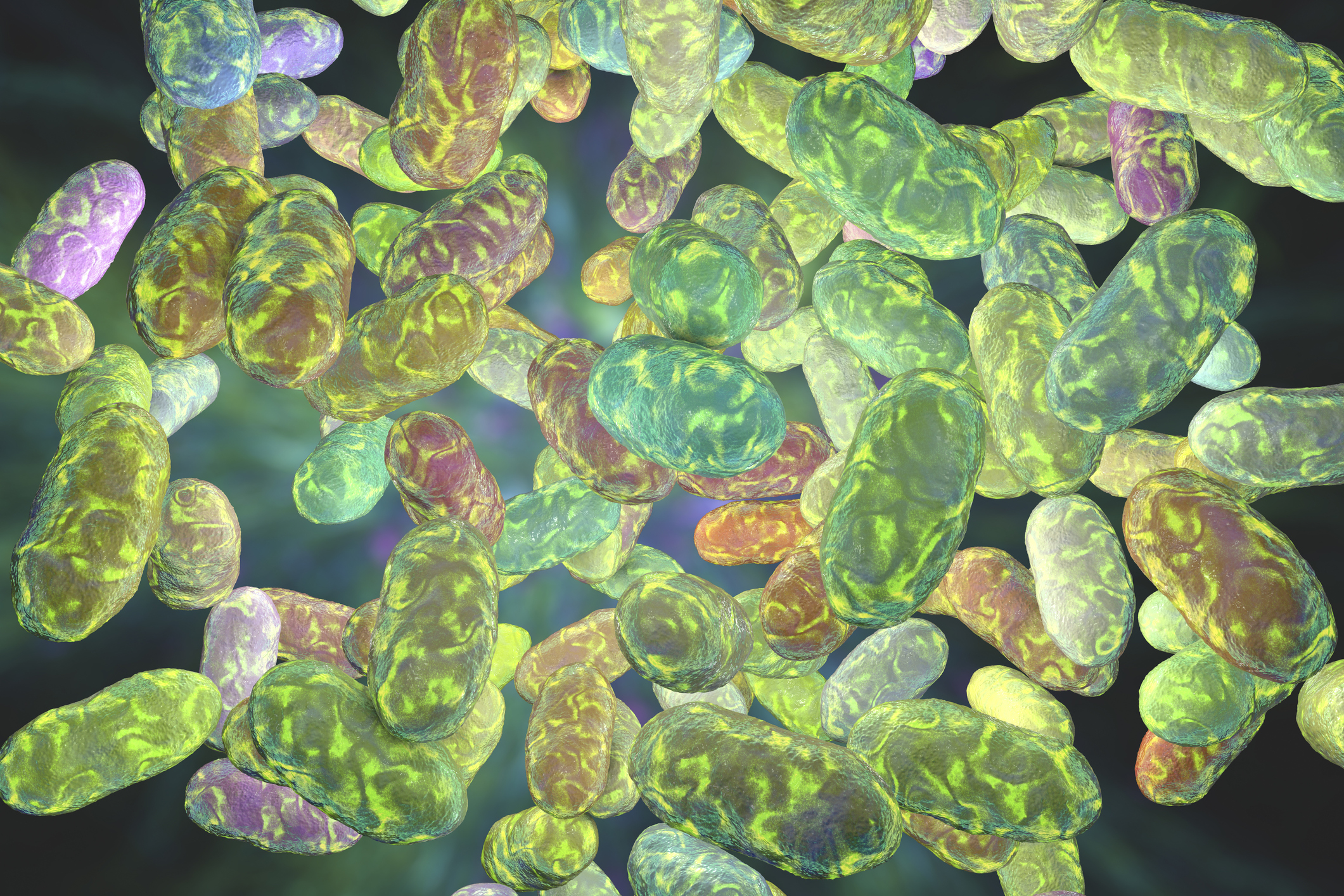
The collection of microorganisms (or microbes) that live on and inside your body is known as the microbiome, and there is increasing interest in its effect on health. The microbiome consists of a vast and diverse array of microbes that are both helpful (like “beneficial” bacteria) and potentially harmful (including other bacteria, fungi, and viruses). The goal is to increase levels of good microbes and decrease levels of ones that are more likely to cause health problems.
The gut, skin, nose, and mouth each have their own diverse community of microbes. The signs of an unhealthy oral microbiome are easy to recognize: periodontal disease, cavities, oral thrush (a fungal infection), and bad breath. But researchers are also looking into ways that these problems can extend to the rest of the body, and how the oral microbiome itself can affect health beyond the teeth and gums.
From mouth to body
Every time we swallow saliva, a portion of our entire oral microbiome enters our digestive tract. Viruses and bacteria that migrate from the mouth can cause problems further down the line.
For example, periodontal disease (infection and inflammation of the gums and bones around the teeth) is thought to increase the risk of digestive diseases. Gingivitis—an early form of periodontal disease that has symptoms including bleeding, swollen or tender gums, mouth sores, and bad breath—may also play a role. Bacteria in the mouth can migrate to and colonize the intestines, and inflammation in the mouth can cause an immune response in the digestive tract.
Several studies, including one from 2018 in Frontiers in Microbiology, have found that the makeup of the oral microbiome is significantly different in people with inflammatory bowel disease (IBD) than in people without this condition.
An unhealthy oral microbiome may put your heart at risk as well. A 2022 review article in Frontiers in Immunology says there is “mounting evidence to support the crucial role of oral microbiota in cardiometabolic health and diseases.” One idea, as noted above, is that oral diseases like gingivitis and periodontitis may cause inflammation not just in the mouth but throughout the body, and inflammation is thought to contribute to cardiovascular disease.
Another idea is that a high-fat diet can cause changes in the oral microbiome that may elevate cholesterol levels. Periodontal bacteria have been found in arterial plaque, further suggesting that they can migrate beyond the oral environment and cause problems elsewhere.
Thanks to the NIH’s Human Microbiome Project and the Human Oral Microbiome Database, established in 2007 and 2008, respectively, researchers are also investigating other connections between the oral microbiome and chronic disorders. These include endocrine diseases like diabetes, neurological conditions like Alzheimer’s disease, autoimmune disorders like rheumatoid arthritis, and certain types of cancers like oral, esophageal, colorectal, and pancreatic.
For a happy microbiome
- Eat a healthy diet. The foods we eat can harm the oral microbiome by promoting the growth of harmful bacteria over the beneficial kind and by increasing inflammation. In particular, studies have found that a diet high in animal protein, high-glycemic foods (like refined sugar, white flour, and sugary drinks), and saturated fats (as found in butter and palm oil) may alter the oral microbiome in ways that promote cavities, gingivitis, and periodontal disease. In contrast, complex carbohydrates (like whole grains, vegetables, and fruits) and foods rich in vitamins B, C, D, and E may help lower the risk of these dental problems.
- Don’t smoke. The mouth is the first place that cigarette smoke interacts with the body, and research suggests it can have a damaging effect on the oral environment, including the microbiome. A large study in the ISME Journal in 2016 found that current smokers had a vastly different oral microbiome composition than never or former smokers. Smoking is thought to kill off “good” bacteria in the mouth, and this may be directly related to oral disease. Smoking also causes other changes in the oral environment, such as by making saliva more acidic, reducing oxygen in the mouth, and affecting how bacteria adhere to mucosal surfaces. And these changes can increase the risk of periodontitis and the host of associated health conditions previously discussed.
- Keep a lid on alcohol. Alcohol has the potential to change the composition of the oral microbiome through various processes. For instance, drinking alcohol increases concentrations in the saliva of the byproduct acetaldehyde, which can damage tissues in the oral cavity and lead to bacterial infections. Alcohol also contributes to dry mouth and irritation of the membranes lining the mouth, and this in turn increases growth of bacteria in the oral cavity.
A small study in the Journal of Oral Microbiology in 2021 found damage to the oral microbiome in patients with alcohol use disorder entering treatment. After abstaining from alcohol, those same markers improved. Several studies have shown that people who regularly drink alcohol to excess have poor overall oral hygiene.
- Watch out for certain ingredients in mouthwash. Some recent research suggests that mouthwash may interfere with the delicate balance of oral bacteria. For example, a study in Scientific Reports in 2020 found that using a mouthwash containing chlorhexidine (an antiseptic antibacterial agent) for a week changed the oral bacterial population such that there was an increase in certain types of bacteria and a reduction in other types; overall, there was a decrease in the diversity of the bacterial population, as well as a drop in the pH of the saliva (meaning it became more acidic). A more acidic oral pH could increase the risk of cavities and even tooth loss and may be linked with chronic periodontal disease.
Other research suggests that mouthwashes with antibacterial ingredients could knock out the bacteria involved in the formation of nitric oxide, a compound that helps regulate insulin and therefore blood sugar levels, possibly increasing the risk of prediabetes and diabetes.
The idea that mouthwash may adversely affect your health through its effects on the oral microbiome is intriguing—but unproven. Still, such preliminary findings serve as a reminder that most practices are best done in moderation. If you use mouthwash, don’t go overboard—a once-daily swish should suffice.
BOTTOM LINE: The inside of your mouth is a microcosm of your entire body. Researchers are starting to understand that if your oral microbiome is compromised, your overall health is likely to be as well. Treat your oral microbiome well and keep a close eye on your dental health in particular, and the rest of your body is likely to thank you.