
A healthy diet might help keep slow-growing prostate cancer from progressing to a more aggressive state, new research suggests.
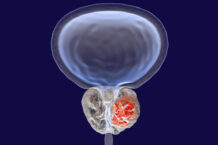
Prostate cancer is common, with about 13 percent of men in the U.S. developing the disease at some point in their lives, according to the Centers for Disease Control and Prevention. Not all prostate cancers are alike, however: Some are aggressive and spread quickly, but many are slow-growing and may never progress to the point of threatening a man’s life. When men are diagnosed with those non-aggressive prostate tumors, they typically have the option of either undergoing invasive treatment (such as surgery, focal ablation, or radiation) or doing what doctors call “active surveillance”—where the cancer is monitored closely, with a plan to start treatment if tests show that it’s progressing.
Oftentimes, men who choose active surveillance want to know if they can do something to curb the likelihood of their cancer progressing—including whether their eating habits could make a difference. But doctors haven’t had firm evidence to say one way or the other. The recent study, published in JAMA Oncology, appears to be the first to suggest that, yes, healthy eating might help keep non-aggressive prostate cancers from advancing.
The study involved 886 men who were undergoing active surveillance for grade 1 prostate cancer. “Grade” describes what cancer cells look like when they’re examined under a microscope after a biopsy: The more abnormal they look, the more aggressive they tend to be (and the higher the score). Grade 1 prostate cancer cells don’t look much different from healthy prostate cells, so they’re considered to be non-aggressive.
At the study’s outset, researchers surveyed the men about their usual diet habits, with a questionnaire that gauges adherence to the U.S. Dietary Guidelines for Americans. In general, those guidelines advise people to favor nutrient-rich foods like vegetables and fruits, high-fiber grains, beans and other legumes, lean meat, and reduced-fat dairy, while limiting added sugars (lurking in many processed foods) and saturated fat (found largely in meat and full-fat dairy products like butter). Based on those questionnaire responses, each study participant was given a “Healthy Eating Index” score, which ranges from 0 to 100.
Over the next 6.5 years, 21 percent of the men progressed to grade 2 prostate cancer. Of them, 6 percent advanced to grade 3 or higher—which “mandates” treatment, the researchers noted. However, the odds of progression were lower among men who had reported healthier eating habits at the study’s start: For every 12.5-point increase in a participant’s healthy eating score, the likelihood of advancing to grade 2 cancer dropped by 15 percent on average, while the odds of progressing to grade 3 or higher fell by almost 30 percent.
It’s important to stress that studies like this cannot prove cause and effect. The findings show an association between healthier eating and lower odds of cancer progression, but there could be other reasons for the link. Men with high-quality diets may, for example, also have a healthier weight, be more physically active, or be less likely to smoke than those with less healthful diets. The researchers were able to account for some of those factors (like body weight and smoking), but not others (like exercise). In addition, over 90 percent of the study participants were white, and there’s still a need for additional studies with greater diversity, the researchers pointed out. This is critical because Black men face a greater risk of developing and dying from prostate cancer than men of other races and ethnicities.
If a healthy diet does help keep some slow-growing prostate tumors in check, it’s not clear why. One hypothesis centers on inflammation: that chronic, low-grade inflammation in the body can contribute to cancer development and growth, while healthy eating may help quiet such inflammation. But this study couldn’t show whether anti-inflammatory effects might be part of the story.
All of that said, there are plenty of reasons to strive for a healthier diet, including lower risks of type 2 diabetes, heart disease, and certain cancers other than prostate. Because prostate cancers tend to be slow-growing, most men with the disease ultimately die of other causes (like heart disease). So it’s certainly worthwhile to make diet changes for the better, for the sake of your overall health and well-being.